
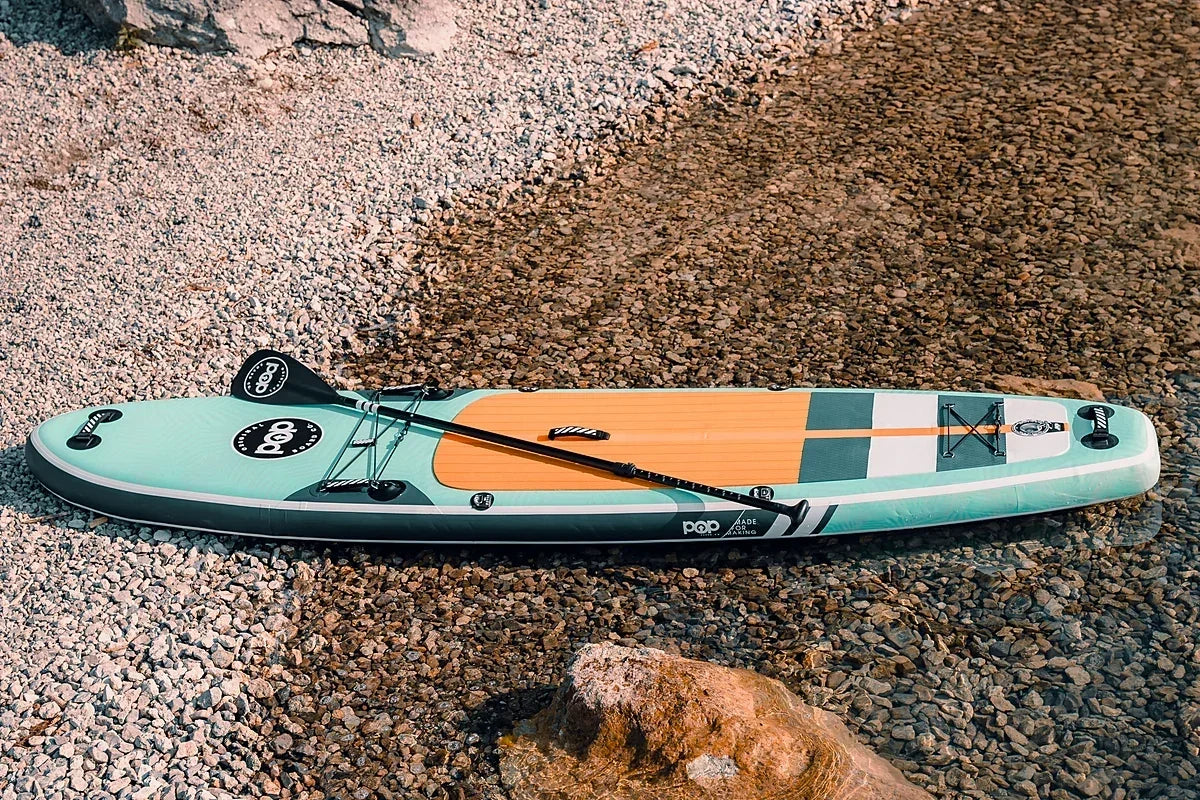
Use Labour Day weekend for two things: one well-planned stretch on the water and a clean handoff into fall. Check gear before leaving, build each outing around the forecast, and bring anything going into storage home clean and completely dry.
Labour Day lands on Monday, September 7 this year. For many Canadian cottage families, it is the last three-day weekend before routines shift toward fall. Some lakes remain comfortable, insects and boat traffic vary by region, and the shorter daylight makes a little planning more useful than it was in July.
The mistake people make is treating it like any other long weekend. It is not. It is the last long weekend, which means it does double duty: one last proper day on the water, and the start of putting things away properly so they survive until spring. Here is how we would run it.
Two days before: check the gear you have not checked since July
By September, regularly used inflatables may show a season of sun, sand, shoreline contact and family use. Give yourself an evening before leaving to inspect three areas.
Pressure. Check each product with a working gauge and use the pressure printed for that exact model. Current POPUP dock pages list a 5 to 7 PSI operating range, with 7 PSI as the target on the 14-foot models. A product that feels soft should be checked before it is loaded.
Seams and D-rings. Visually inspect seams, attachment patches and high-wear edges. Do not pull hard enough to stress a fitting. Photograph anything that looks lifted, cut or distorted and contact support before repair when it may be a manufacturer defect.
Valves. Unscrew the valve cap, check that the spring pin moves freely, and make sure there is no grit in the housing. A slow pressure loss can come from debris around the valve, so the valve is a sensible first check.
If something does need attention, a rapid repair kit handles most small stuff on site. Our inflatable maintenance guide walks through the rest.
The Friday setup that buys you the whole weekend

One important difference between a good long weekend and a frustrating one is how long it takes to get on the water each morning. Front-load it.
If conditions allow, set up the dock Friday afternoon so it is ready for the weekend. Check pressure and anchoring before each use and bring the platform in when wind, rough water or an extended absence calls for it.
Choose an anchoring system for the bottom type, depth, platform and expected movement. Use the product instructions and local knowledge, inspect the lines after the first use, and remove the dock before serious wind or rough water.
Set up a charging area for phones, cameras and pumps. Charge electric-outboard batteries only as the exact manual directs.
Saturday and Sunday: the water is better than you think
Here is the part people underestimate. Canadian lakes hold their heat well into September. The air cools off first, which fools everyone into thinking the season is over, but the water on Labour Day weekend is usually warmer than it was in late June.
That means swimming, dock lounging, and paddling all still work, and they work with fewer boats and fewer people. If you have an AquaNet or a dock in the water, this is the weekend it earns its keep.
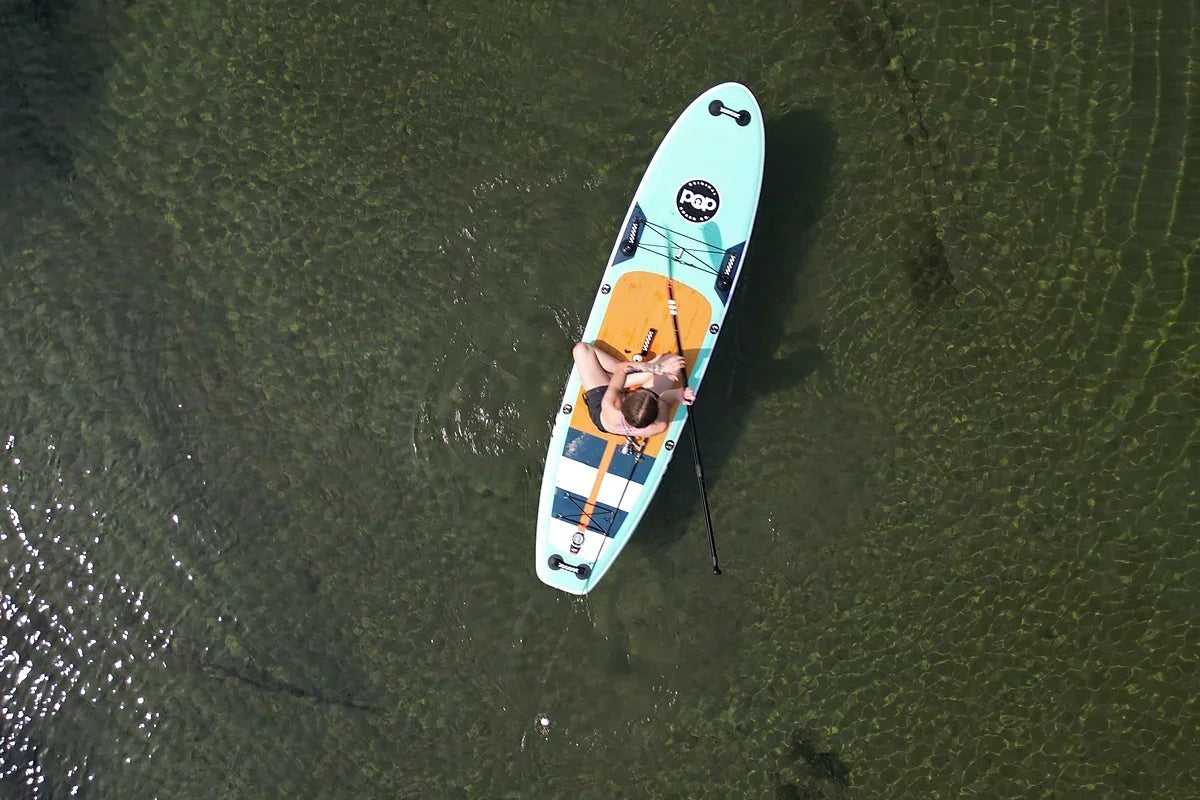
Transport Canada advises stand-up paddleboarders to always wear a lifejacket or PFD. A leash is not an approved replacement for flotation, and applicable safety-equipment requirements must be carried when a SUP is used as a pleasure craft. Review the current Safe Boating Guide for the outing you are planning.
If you are paddling early or late in the day, layer for the air, not the water. We go deeper on that in our fall layering guide.
Monday: the shutdown you will thank yourself for
Do not drive home Monday with a wet dock sealed in its bag. Trapped moisture can create odour, staining and avoidable material problems during storage.
Monday morning, before the coffee wears off:
- Pull the dock and any boards out and lay them flat in the sun.
- Rinse with fresh water if you have been in a lake with heavy weed or any brackish water.
- Let everything dry completely on both sides. Flip it once.
- Deflate slowly, roll from the valve end so trapped air escapes, and store loosely rather than compressed tight.
- Store somewhere that does not swing between freezing and thawing. A heated basement beats an unheated shed by a wide margin.
If you are closing the cottage the same weekend, our cottage shutdown checklist covers the full sequence. If you are just packing up boards, the paddleboard storage guide has the specifics.
One more thing worth knowing

Labour Day is not an automatic end to paddling season. September and early October can provide good paddling windows where local water, weather, clothing and daylight support them. Quieter water also means there may be fewer people nearby, so keep the route conservative.
So do the Monday shutdown properly if you are done. But do not assume you are done.
Frequently Asked Questions
When is Labour Day 2026 in Canada?
Monday, September 7, 2026. The long weekend runs Saturday, September 5 through Monday, September 7.
Is the water still warm enough to swim on Labour Day weekend?
It depends on the waterbody and recent weather. Water can cool more slowly than the air, but depth, current, exposure and latitude all matter. Check locally and dress for an unexpected swim.
Should I take my inflatable dock out after Labour Day?
Remove the dock when freezing conditions, storms, access or your ability to monitor the property make continued use impractical. Leave enough time to clean and dry it properly.
Do I need a PFD on a paddleboard in Canada?
Transport Canada advises stand-up paddleboarders to always wear a lifejacket or PFD. A leash is not an approved replacement for flotation, and applicable safety-equipment requirements must be carried when a SUP is used as a pleasure craft. Review the current Safe Boating Guide for the outing you are planning.
What is the best way to store an inflatable dock over a long weekend?
If conditions and the product instructions allow it, the dock can remain inflated between nearby use days. Recheck pressure, lines and forecast before loading it again.
What belongs in a late-season dry bag?
Carry a charged phone in waterproof protection, a fully dry warm layer, a light, a snack, basic first-aid items and the required safety equipment for the outing.
Related Canadian Board Co. guides and gear
Plan the next outing with a wider safety margin
Browse PFDs and water-safety gear, or call 1-800-399-5260 for help choosing equipment for your paddling conditions.
Browse water-safety gear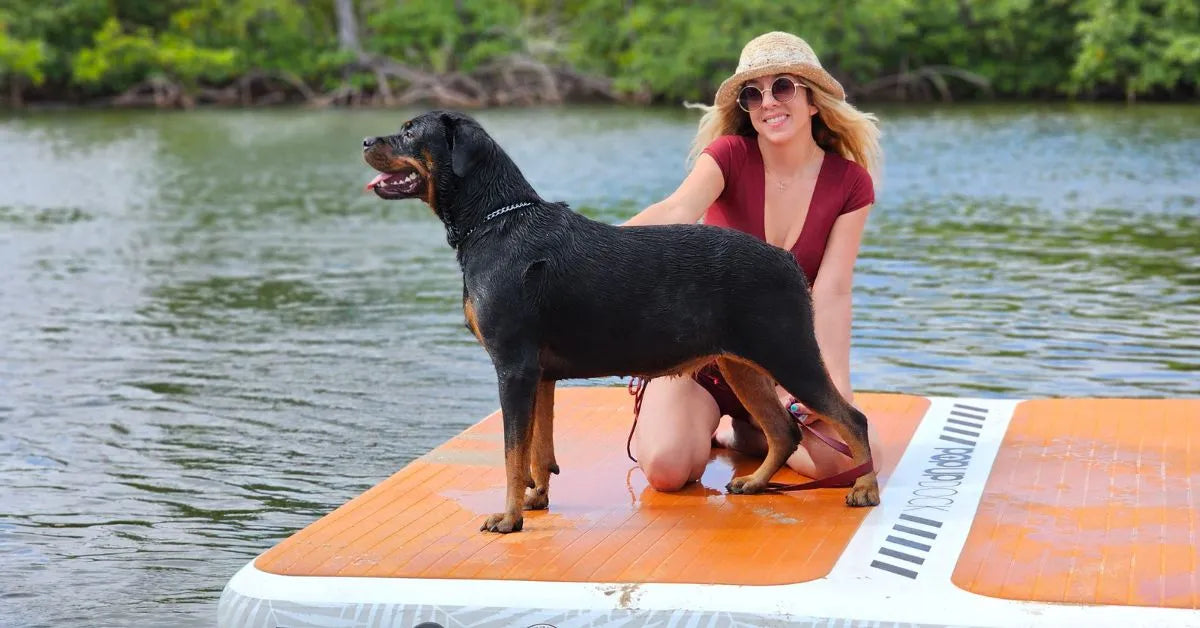

Leave a comment
All comments are moderated before being published.
This site is protected by hCaptcha and the hCaptcha Privacy Policy and Terms of Service apply.