There is a specific weekend in Canada, usually somewhere in the first half of May, where the air finally feels like summer, the lakes are open, the snowmelt is mostly through, and every paddleboard, kayak, and small boat starts coming out of storage at the same time.
It is the most dangerous weekend of the paddling year.
The water is still 4°C to 12°C across most of the country, the air is 18°C to 22°C, and the gap between the two is what catches paddlers off guard. This guide is for that weekend.
We are a Canadian-owned, family-run team based in Kelowna, BC, and most of the safety calls we get on the 1-800-399-5260 line each year come in May. Usually from a paddler who got their gear early and is wondering what they actually need to do differently before the first paddle.
Here is the answer.

Why May lakes are colder than they feel
The reason a 20°C May day can pair with a 7°C lake is simple. Lake water warms up much slower than air, and most Canadian lakes have just spent months under ice or near freezing. Even after ice-out, it takes weeks of steady warm air and sun before the water temperature becomes comfortable.
Most Canadian paddlers would call comfortable water somewhere north of 18°C. Early May is usually nowhere close to that.
Across the country in early to mid May, these are the kinds of conditions paddlers are often dealing with:
- Northern Ontario, Muskoka, Georgian Bay: 5°C to 10°C
- Southern Ontario and Lake Ontario shoreline: 8°C to 13°C
- Quebec lakes, including the Laurentians and Eastern Townships: 4°C to 10°C
- BC interior and Okanagan: 8°C to 14°C
- Alberta and Saskatchewan lakes: 5°C to 10°C
- Atlantic Canada: 5°C to 11°C
You can check actual conditions through Environment and Climate Change Canada at https://weather.gc.ca. Some provincial parks and local marinas also publish lake temperature updates. Do not guess. Check.
What cold water actually does to a paddler
Cold-water immersion is not just uncomfortable. It changes how your body works, and it happens fast.
There are four phases paddlers should understand.
Cold shock: the first 60 seconds
This is the part people underestimate. Cold shock can trigger an involuntary gasp, rapid breathing, panic, and a sharp jump in heart rate. This is when drowning risk is highest.
Strong swimmers can still get into trouble here. Being able to swim across a pool does not mean you can control your breathing when you suddenly fall into 7°C water.
Cold incapacitation: the next 5 to 15 minutes
This is where your hands, arms, grip, and coordination start failing. For paddleboarders, that matters because you need your hands and arms to climb back onto the board.
A paddler who falls off in cold water may have the board right beside them and still struggle to get back on once cold incapacitation starts.
Hypothermia: the next 30 minutes and beyond
Once your core temperature starts dropping, judgment gets worse. You get slower, weaker, and less able to make good decisions.
Post-rescue collapse
Cold-water risk does not always end the second someone gets out of the water. After a serious immersion, medical attention can still matter, even if the person says they feel fine.
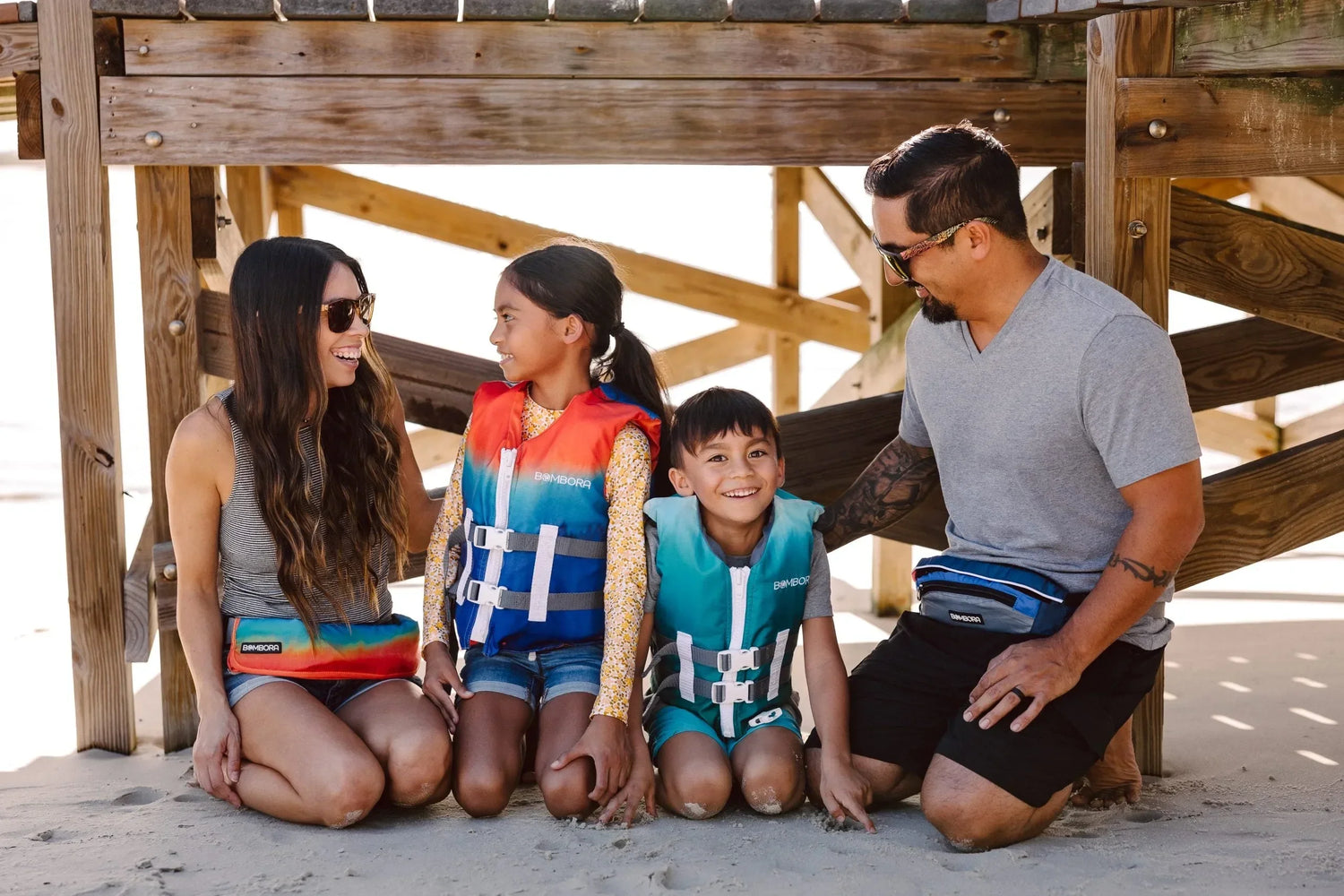
The main takeaway is simple: a PFD is not optional in May. Cold water can take away your ability to keep yourself above the surface. A properly worn PFD helps do that when your body stops cooperating.
Browse cold-water safety gear and PFD options here: https://www.canadianboardco.com/collections/water-safety
The 1-10-1 rule
The rule most paddlers should remember is 1-10-1.
- 1 minute to control your breathing after cold shock
- 10 minutes of meaningful movement before your arms and hands start failing
- 1 hour before unconsciousness from hypothermia, assuming you stay afloat
For paddleboarders, the most important number is 10 minutes.
If you go in, your job in the first minute is not to swim hard. It is to control your breathing. After that, your job is to get back on the board before your strength, grip, and coordination fade.
Plan every May paddle around that 10-minute window, not the one-hour hypothermia window.

What to wear: dress for the water, not the air
The single biggest mistake May paddlers make is dressing for the air temperature.
A 20°C day tells your brain it is shorts and t-shirt weather. A 7°C lake says something completely different. The water wins.
Use the water temperature, not the air temperature, to decide what you wear.
- Water above 18°C: standard paddling clothes are usually fine. PFD always.
- Water 14°C to 18°C: long-sleeve quick-dry top, neoprene shorts or a light wetsuit, neoprene paddling boots. PFD always.
- Water 10°C to 14°C: 3mm full wetsuit or drysuit, neoprene boots, and neoprene gloves on cold mornings. PFD always.
- Water 5°C to 10°C: drysuit is the right call. A wetsuit may be acceptable only for short, close-to-shore sessions. Neoprene boots and gloves are important. PFD always.
- Water below 5°C: drysuit only. Most recreational paddlers should wait.
A drysuit is the upgrade that changes spring paddling completely. It keeps you dry if you fall in, which extends your safe immersion window. Drysuits are not cheap, but for paddlers who want to start the season early or paddle late into fall, they are one of the most important pieces of cold-water gear.
If you are building your spring setup, start with water safety gear here: https://www.canadianboardco.com/collections/water-safety
The pre-launch checklist for every May paddle
Before you launch, every spring paddle should clear these checks. This list takes about 90 seconds, and it is worth doing every time.
1. Check water temperature
Do not guess based on the air. Check Environment Canada, local marina data, provincial park updates, or use a simple thermometer from the dock.
2. Check wind forecast for the next two hours
Wind and current can move a paddleboard offshore faster than people expect. If the wind is climbing, stay close to shore.
3. File a real float plan
“I am going for a paddle” is not a float plan.
A real float plan sounds like this: “I am paddling to the point and back. I should be back in 45 minutes. Expect me at 11:30. If I am not back by noon, call my phone.”
4. Wear the PFD
Not clipped to the board. Not under the bungees. Not in the dry bag. On your body.
5. Attach a whistle
A whistle is small, cheap, loud, and useful. Keep it attached to your PFD where you can reach it.
6. Secure your phone
Put your phone in a waterproof pouch and attach it to your PFD or board. If your phone goes to the bottom, your safety plan gets a lot weaker.
7. Wear your leash
A coiled leash keeps the board with you if you fall. In cold water, a board that drifts away is a board you may not catch.

What to do if you go in
If you fall into cold water, the order matters. Think it through before you launch so it is automatic if you need it.
Do not swim immediately
Get your face out of the water and hold the board. Cold shock will pass, but the first 30 to 60 seconds are about breathing, not swimming.
Control your breathing
Slow it down. Keep your head above water. Focus on getting through that first minute.
Get back on the board
Once your breathing is under control, climb back on. If you have a leash and the board is close, this should be your priority.
If you cannot climb back on
Use your whistle in groups of three. Signal toward shore. Move toward the nearest safe landing point, not necessarily your original launch point.
Once you are on shore
Get out of wet clothing, put on dry layers if you have them, call someone, and warm slowly. Do not jump straight into a hot shower or sauna after serious cold-water immersion.
The board choice that matters in May
Stability matters more in cold water than at any other time of year.
A wobble in August might mean an annoying swim. A wobble in May can turn into a cold-water emergency.
If you are paddling early in the season, the wider, more stable board is the better choice.
The 11'6 El Capitan Bomber is the right May board for most paddlers. It is built for stability, gives newer paddlers more confidence, and is harder to fall off than narrower performance-style boards.
For paddlers carrying gear, emergency layers, or fishing equipment, the Ionic Adventure Ark gives extra capacity and a stable platform.
The 11' Yacht Hopper is a beautiful summer board, but for newer paddlers in cold water, stable beats agile. Save the narrower, livelier boards for warmer water.
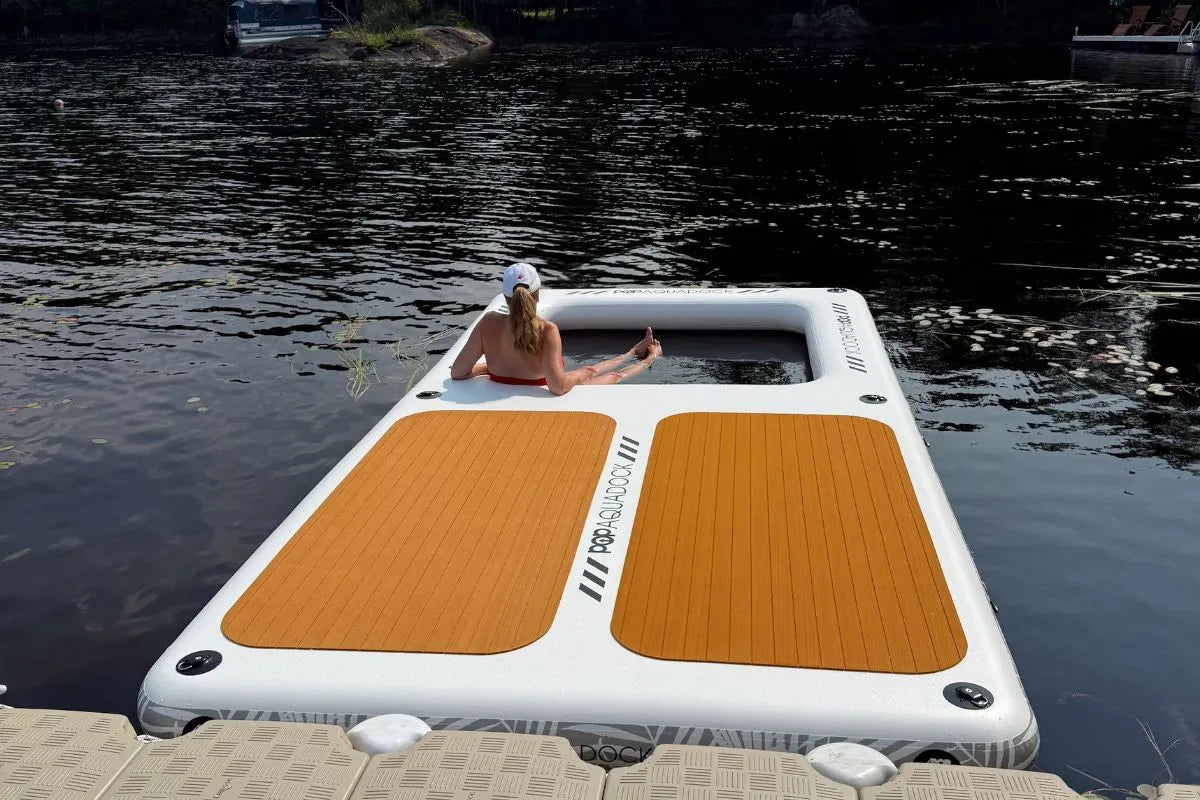
For people who want to enjoy the early-May lake without the risk of falling in during a paddle, an inflatable dock is another option. The 14' POPUP AquaDock gives you a stable platform on the water without committing to a cold-water paddle.
Browse stable inflatable paddleboards here: https://www.canadianboardco.com/collections/inflatable-paddleboards-canadas-best-isup
Browse inflatable docks here: https://www.canadianboardco.com/collections/inflatable-docks
When to wait
Some May paddles are not worth doing. Waiting two weeks is not failure. It is good judgment.
Wait if any of these are true:
- The water is under 4°C and you do not own a drysuit.
- The wind forecast is over 25 km/h.
- You are paddling solo in cold water and have not filed a real float plan.
- There has been a sudden warm spell after sustained cold, and the surface feels warmer than the rest of the lake.
- You have not been on a board since last summer and your first paddle of the year would be in cold water.
- There is still ice on part of the lake.
The first paddle of the season can wait. The mistake costs more than the delay.
The bottom line
Spring paddling in Canada can be one of the best experiences in the sport. Quiet lakes, no boat traffic, the first warm sun of the season, and that feeling that summer is finally coming back.
It is also the highest-risk paddling window of the year.
The difference between a great first paddle and a bad story comes down to gear, planning, and respect for the water temperature.
Our 1-800-399-5260 line is staffed by paddlers, not a call centre. If you are trying to figure out whether your wetsuit is enough, whether the lake is warm enough, or whether the weather window is right, call us. We would rather talk you out of a paddle than hear about it after.
Browse cold-water gear and PFDs here: https://www.canadianboardco.com/collections/water-safety
Browse stable paddleboards here: https://www.canadianboardco.com/collections/inflatable-paddleboards-canadas-best-isup
Browse inflatable docks here: https://www.canadianboardco.com/collections/inflatable-docks
Stay close to shore. Wear the PFD. Check the water temperature. Save the long expedition paddles for June.
Frequently asked questions
When is it warm enough to paddleboard in Canada without a wetsuit?
Most Canadian paddlers do not go without a wetsuit until water temperatures are reliably above 18°C. That usually happens in mid to late June across much of the country. It may happen earlier in some southern Ontario and BC interior lakes, and later in Northern Ontario, Quebec, and Atlantic Canada. Always check actual water temperature, not air temperature.
Is a wetsuit enough for May paddling, or do I need a drysuit?
A 3mm wetsuit can be acceptable for water temperatures above 10°C with short, close-to-shore sessions. Below 10°C, a drysuit is the better choice for any meaningful paddling time. Drysuits keep you dry if you fall in, which changes the safety equation in cold water.
What does “dress for the water, not the air” actually mean?
It means you choose clothing based on what the water will do to you if you fall in, not how the air feels while standing on the dock. A 20°C May day with 7°C water is still a wetsuit or drysuit day.
What is the 1-10-1 rule?
The 1-10-1 rule is a simple cold-water safety reminder: 1 minute to control your breathing, 10 minutes of meaningful movement, and 1 hour before unconsciousness from hypothermia if you stay afloat. For paddleboarders, the 10-minute window matters most because that is your chance to get back on the board.
Do I really need a PFD on a paddleboard if I am a strong swimmer?
Yes, especially in cold water. Cold-water immersion can affect strong swimmers quickly. A properly worn PFD helps keep your head above water if your strength, grip, or coordination starts to fail.
How do I check actual water temperature for my lake?
Start with Environment and Climate Change Canada at https://weather.gc.ca. Some provincial parks, marinas, and local lake associations also publish water temperature data. For smaller lakes, a simple floating thermometer off the dock can give you a better read than guessing.
What is the safest paddleboard for cold-water spring paddling?
Stability matters more than speed in cold water. The 11'6 El Capitan Bomber is a strong early-season choice because it is wide, stable, and confidence-building. The Ionic Adventure Ark is a strong option for paddlers carrying extra gear and emergency layers.
Can I paddleboard if there is still ice on part of the lake?
No. Ice on the lake means the water is still extremely cold, and partial-ice conditions create extra hazards. Ice can move with wind, sit below the surface, and change conditions quickly. Wait until the lake is fully open and stable.

Leave a comment
All comments are moderated before being published.
This site is protected by hCaptcha and the hCaptcha Privacy Policy and Terms of Service apply.