
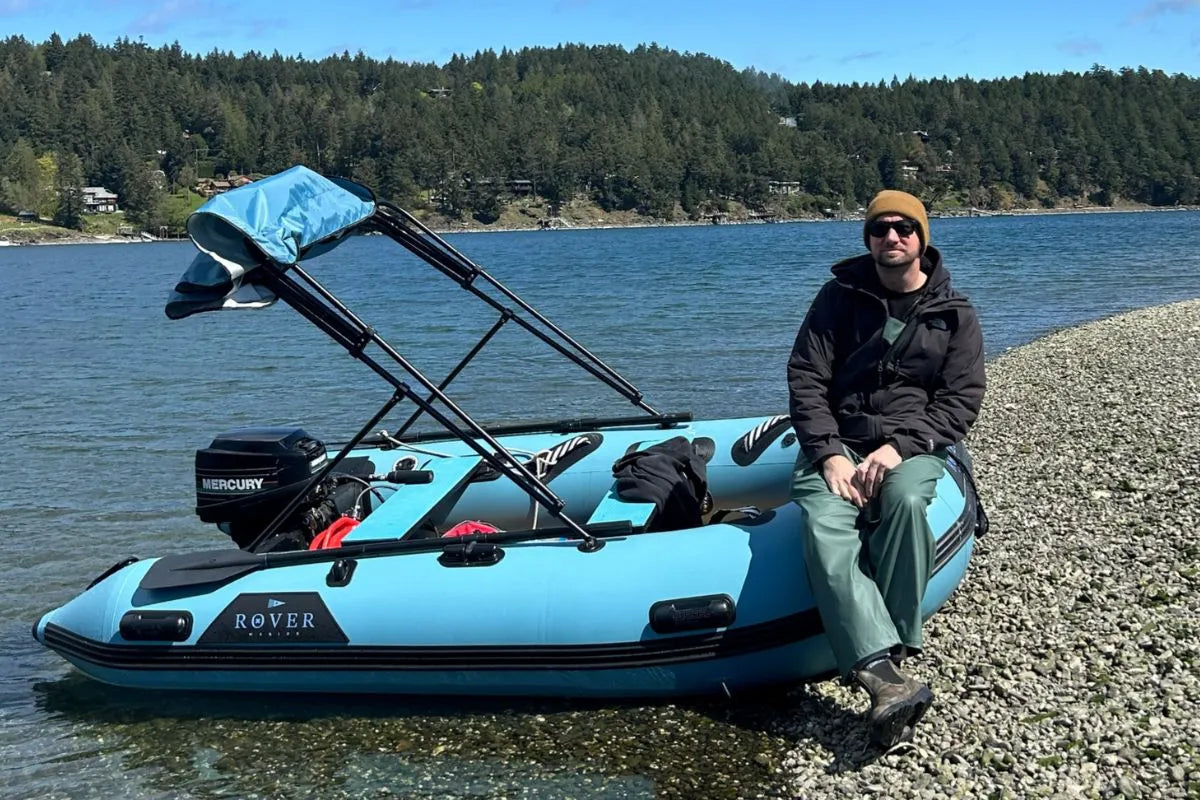
The Canadian cottage opening weekend is its own thing. Somewhere between the May long weekend and mid-June, depending on which province and which lake, every cottage owner in the country goes through the same sequence: turn the water on, open the shutters, check for mouse damage, decide what got worse over winter, and figure out which gear actually still works. This guide is for the dock, paddleboard, and boat side of that weekend.
We're a Canadian-owned, family-run team based in Kelowna, BC, and most of the calls we take in May come from cottage owners who pulled their inflatable gear out of storage and discovered something they hadn't noticed when they put it away. This checklist is built from those calls: what to do, in what order, so opening weekend ends with the cottage fully operational instead of half-done.
Opening weekend order, if you only remember one thing
Arrive Friday afternoon, do a property and water-line walkaround, set up the inflatable dock first, inspect and re-inflate paddleboards to 15 PSI, run a pressure-loss test on inflatables, check all safety gear, confirm phone signal and float plan habits, and only then deploy boats and motors.
Before you leave for the cottage: the loadout
Half of opening weekend is solved before you arrive. Here's the loadout list to assemble before the drive up.
- A 12V or rechargeable electric pump. Hand-pumping a 14-foot dock to 7 PSI is a 30-minute workout. An electric pump does it in eight minutes. Shop pumps.
- A pressure gauge. Don't trust the pump's gauge for the final reading. A separate gauge gives you the truth.
- A patch kit with PVC adhesive plus patch material. Cottage hardware stores rarely carry the right adhesive for marine PVC. Bring one.
- A spare valve core kit. Slow leaks at the valve are the most common reason an inflatable dock won't hold pressure on opening weekend. The fix is a 30-second swap, but only if you have a spare core.
- Anchor lines and shackles, inspected. UV degrades nylon anchor line in about two seasons. If you stored last year's lines outside, replace them.
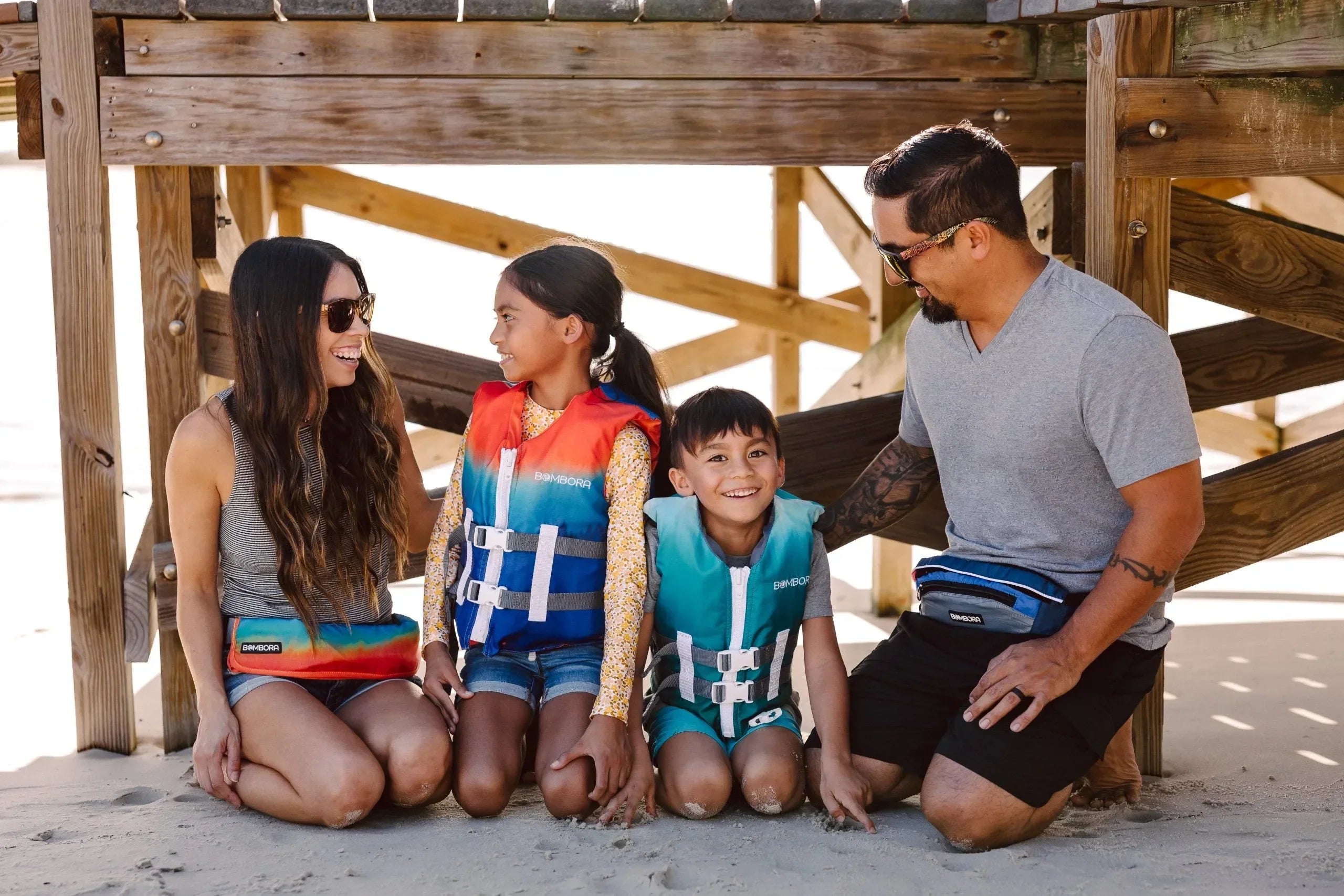
- Transport Canada-approved PFDs for every person who'll touch the water, plus two extras for guests. Whistles attached. Shop water safety gear.
- Throw line or heaving line if you don't keep one at the cottage permanently.
- Dry bags, cold-weather layers, and a first-aid kit. May lakes are still cold. See our cold-water guide at https://www.canadianboardco.com/blogs/water-sports-guide/first-paddle-spring-cold-water-safety-canada-2026.
- Phone numbers written down: cottage neighbours, local marina, nearest hospital, and our 1-800-399-5260 line for inflatable-gear questions.

Friday afternoon: the property and water-line walk
Before any gear comes out of storage, walk the waterline. This sounds obvious but it's the step that catches the most issues.
Look for: ice damage on rocks or fixed dock, debris from spring storms, fallen trees in the water, signs of high-water marks (your usual launch point may be 30 cm deeper than expected), boat traffic patterns, and any underwater hazards that have shifted. Lakes change over winter. The sandbar that was there last year may not be there this year, and the rock that wasn't a hazard at low water may be one at high water.
If you have a fixed dock, check it for winter damage: heaved boards, loose hardware, ice-pushed pilings. Fix what you can; defer what needs a contractor.
Saturday morning: inflatable dock setup
The inflatable dock is the first piece to deploy because it becomes the staging platform for everything else. Here's the right sequence.
- Lay the dock out on flat ground. Use the lawn, gravel, the boathouse floor, or anywhere the surface is clean and free of sharp objects. Visually inspect every surface. Look for punctures, abrasions, lifted seams, mildew spots from imperfect storage, and valve damage. Run your hand along every seam. Soft spots indicate internal drop-stitch failure and need professional assessment.
- Inflate to 5 PSI initially using your electric pump. Hold pressure for 60 seconds and listen. Hissing means a leak, usually at the valve. Fix the valve before going to full pressure.
- Bring up to 5-7 PSI for the 14-foot AquaDock and YachtDock models. The 8' POPUP DOCK uses the same range. Don't exceed 7 PSI. Over-inflation stresses seams and increases puncture risk.
- Soap-test every seam, valve, and D-ring. Mix dish soap and water in a spray bottle. Spray the suspect areas. Bubbles mean leaks. Mark, deflate, and repair before deploying.
- Pressure-loss test: leave the dock fully inflated overnight. If it loses more than 1-2 PSI in 24 hours, you have a slow leak that needs to be found before deployment. Cold-temperature drop, 1-2 PSI overnight, is normal in cold weather. That is different from a real leak. Repeat the test once daytime temperatures are warmer to confirm.
- Inspect anchor lines, shackles, and connectors. Anchor lines should be replaced every 2-3 seasons or immediately if fading or fraying is visible. Shop hardware at https://www.canadianboardco.com/collections/hardware.
- Deploy the dock with bow lines pointing into the prevailing wind. Use proper anchors for the lake bottom and depth. Sandy bottom: mushroom anchors. Rocky bottom: weighted blocks. Don't use a single anchor for a 14-foot dock. Use bow and stern anchors, or run a stern line to shore.
If your dock fails the pressure test or shows seam damage, our team at 1-800-399-5260 can usually diagnose the issue in a five-minute call. Most issues are valve-related and fixable on opening weekend with a spare core kit.

Saturday afternoon: paddleboard inspection and inflation
With the dock deployed, paddleboards are next. They go through the same logic: visual, valve, pressure test, at smaller scale.
Visual inspection. Look for surface scuffs, fin-box wear, deck-pad lifting, and valve corrosion. Surface scuffs are cosmetic. Deep abrasions or seam separation need attention.
Valve check. Open and close the valve a few times. The Halkey-Roberts-style valves used on most CBC boards have a rubber gasket that hardens over winter. If the valve doesn't close cleanly, swap the core.
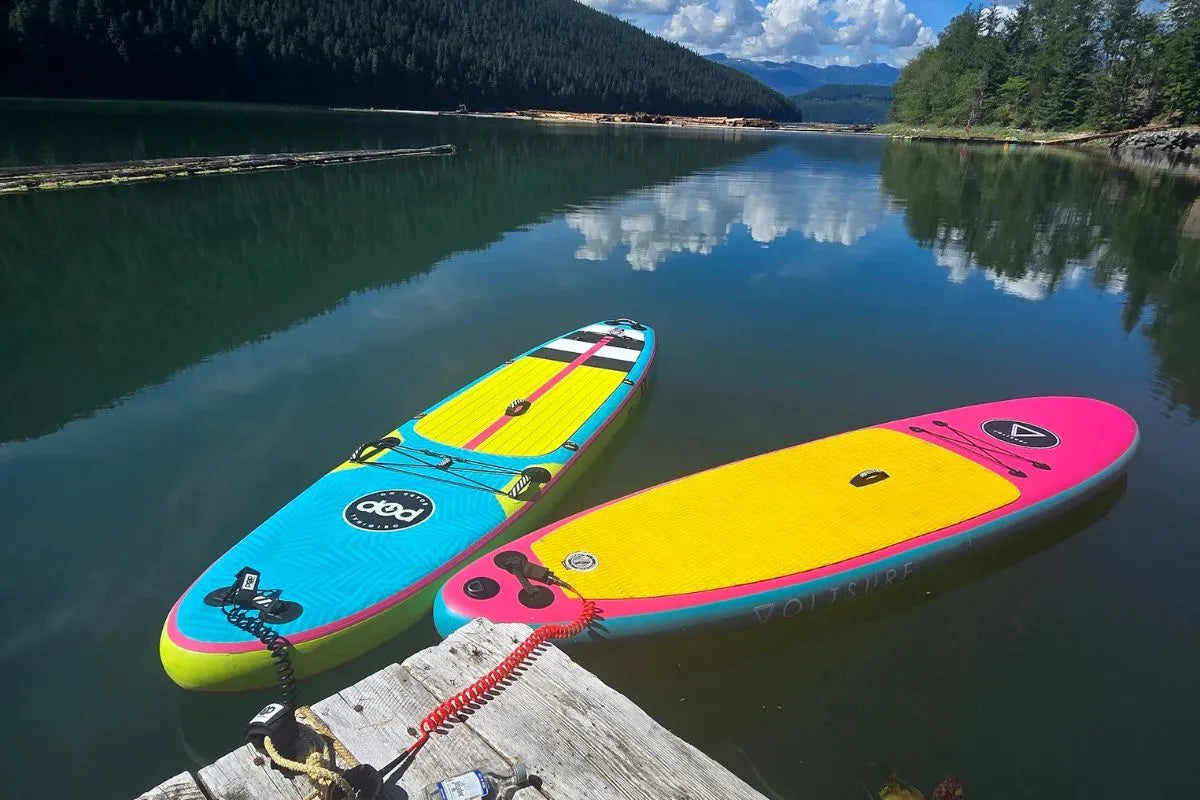
Inflate to 15 PSI for paddleboards. This is the standard for most boards in our lineup, though always verify with the printed specification on your board's stern. Hand pumps reach this. Electric pumps reach it faster.
Pressure test for 30 minutes after inflation. Pressure should hold within 0.5 PSI. Larger drops indicate a leak.
Inspect leashes, paddles, and PFDs. Replace any leash with frayed velcro, cracked plastic, or a stiff coil that won't recoil. Paddle blades with deep nicks should be replaced before they crack mid-paddle.
Test in the water before any guest uses the board. Five minutes of paddling along the shoreline confirms the board, the leash, the paddle, and the PFD are all functional before kids or first-timers go out.
Boards in the lineup
Saturday evening: safety gear and float plan habit
This is the unglamorous step that the entire weekend hinges on. With the dock deployed and paddleboards inflated, walk the safety gear.
PFDs. Count them. There should be one Transport Canada-approved PFD for every person who will touch the water at the cottage, plus extras for guests. Inspect each for tears, broken buckles, faded fabric, and an attached whistle. UV degradation reduces flotation. Browse safety gear at https://www.canadianboardco.com/collections/water-safety.
Whistles. Loud, plastic, attached to the PFD. Required by Transport Canada for all paddlecraft.
Throw line or heaving line. Stored in an accessible spot near the dock, not in the boathouse where it does no good in an emergency.
First aid kit. Re-stocked. Aspirin, gauze, sunscreen, the things that get used up first.
Cell signal check. Walk the property and identify the spot with the best signal. If your cottage is in a dead zone, a satellite messenger or marine VHF is worth the investment. Browse safety gear at https://www.canadianboardco.com/collections/water-safety.
Float plan habit. Establish the rule for the weekend: anyone going out on the water tells someone the route and the expected return time. This sounds bureaucratic until the day it matters.

Sunday morning: boats and motors
Boats are last because they're the gear most likely to take a full day to commission. By Sunday morning, the dock is up, the SUPs are tested, and you have a full day if anything's wrong.
Inflatable boat inspection. The Battle Boat or Battle Cat gets the same logic as the dock: visual, valve check, partial inflation, soap-test, and full inflation to spec. Typically this is 0.25 bar / 3.6 PSI for the main tubes, though always verify on the model's spec sheet.
Outboard motor commissioning. For gas outboards, fresh fuel, drained carb, fresh spark plug, and fresh impeller if it wasn't replaced last year. For electric outboards, including Torqeedo and ePropulsion models in https://www.canadianboardco.com/collections/electric-outboard-motors, do a full charge cycle, battery health check, and prop inspection.
Required Transport Canada equipment for the boat: PFD per person, sound signalling device, bailer or manual pump, buoyant heaving line, navigation lights if used after sunset, and anchor with appropriate line for the lake depth.
Pleasure Craft Operator Card (PCOC) check. If your boat has a motor of 7.5 kW, or 10 HP, or more, the operator must hold a PCOC. If anyone using the boat doesn't have one, they can complete it online before Sunday afternoon.
Test run. Inflate, mount the motor, run the boat in shallow water for ten minutes. Confirm steering, throttle, and trim work. Confirm the kill-switch lanyard is attached and functional.
Sunday afternoon: the maiden paddle
The reward for working through the checklist is the first real paddle of the year. With everything tested, deployed, and safety-checked, take an hour. Paddle out to the dock. Sit on it. Look back at the cottage. Note that the dock is exactly where it should be, the water is the right temperature for a wetsuit but not yet a swimsuit, and everything works because you spent the weekend making sure it would.
If something didn't work, the dock didn't hold pressure, a valve failed, or a PFD turned out to be too small for a kid who grew over winter, you have time to fix it before the cottage gets used in earnest. That's the whole point of opening weekend.
Our 1-800-399-5260 line is open 9am-5pm Pacific, six days a week, and the people who answer it have actually opened cottages. If something on this list doesn't go according to plan, call. Most issues are five-minute fixes if caught early.
The full opening-weekend kit
For the cottage that needs to upgrade or replace something this season, here's the cottage-ready inventory:
Paddleboards
Stable cottage boards, all-around boards, and gear-ready SUP packages.
Inflatable boats
Rover Marine Battle Boat and Battle Cat options for cottage and lake use.
Electric outboard motors
Electric motor options for small boats, tenders, and cottage setups.
Water safety
PFDs, whistles, and safety gear for opening weekend and the full season.
Free shipping Canada-wide on orders over $100.
Paddleboards, docks, and Rover Marine inflatables are shown on Canadian Board Co. with 3-year warranty coverage, and eligible boards are backed by the 60-Day Rider's Guarantee. Warranty details can vary by product, so always check the specific product page before buying. General warranty details are available here: https://www.canadianboardco.com/pages/3-year-warranty.
Frequently asked questions
When should I open my cottage in 2026?
Most Ontario, Quebec, and BC interior cottages open between the May long weekend, May 18, 2026, and the first weekend of June. Atlantic Canada and Northern Ontario typically run two weeks later. The right time is when the water is fully open, the road in is dry enough to drive, and overnight lows are above freezing.
What's the right order for setting up an inflatable dock on opening weekend?
Visual inspection, partial inflation to 5 PSI for valve check, full inflation to 5-7 PSI, soap-test seams and valves, pressure-loss test for 24 hours, inspect anchor lines and hardware, deploy with proper anchoring. Don't skip the pressure test. It catches slow leaks before deployment.
How do I check if my paddleboard held pressure over winter?
Inflate to your board's specified PSI, 15 for most boards in our lineup, wait 30 minutes, and check pressure. A drop of more than 0.5 PSI indicates a leak. Most leaks are at the valve and fixable with a 30-second core swap.
What's the most common opening-weekend problem?
Slow valve leaks. Halkey-Roberts valves develop hardened gaskets over winter, especially if the dock or board was stored cold. The fix is a spare valve core. Call 1-800-399-5260 and bring a spare core to the cottage.
Do I need a Pleasure Craft Operator Card to use a Battle Boat or Battle Cat?
If the motor on the boat is 7.5 kW, or 10 HP, or more, yes, the operator needs a PCOC. The 8ft Battle Boat handles up to 6 HP, while larger models can be paired with higher horsepower. PCOC is available online through Transport Canada.
What anchors should I use for an inflatable dock on a Canadian lake?
It depends on lake bottom. Sandy bottom: mushroom anchors. Rocky bottom: weighted blocks or sand-bag anchors. Always use bow and stern anchoring for 14-foot docks because single-anchor setups don't hold orientation in wind. The hardware collection has the lineup.
Can I inflate my dock and SUP with the same pump?
Yes, if the pump handles both pressure ranges. Most CBC docks run at 5-7 PSI. Most CBC paddleboards run at 15 PSI. Look for a pump rated for both. Most rechargeable models in the pumps collection are.
What if I open the cottage and find serious damage to my inflatable gear?
Call our team at 1-800-399-5260. We diagnose most issues in a five-minute call. Don't try to deploy gear that failed the inspection. Most issues are repairable, but the repair has to come before the deployment.

Leave a comment
All comments are moderated before being published.
This site is protected by hCaptcha and the hCaptcha Privacy Policy and Terms of Service apply.