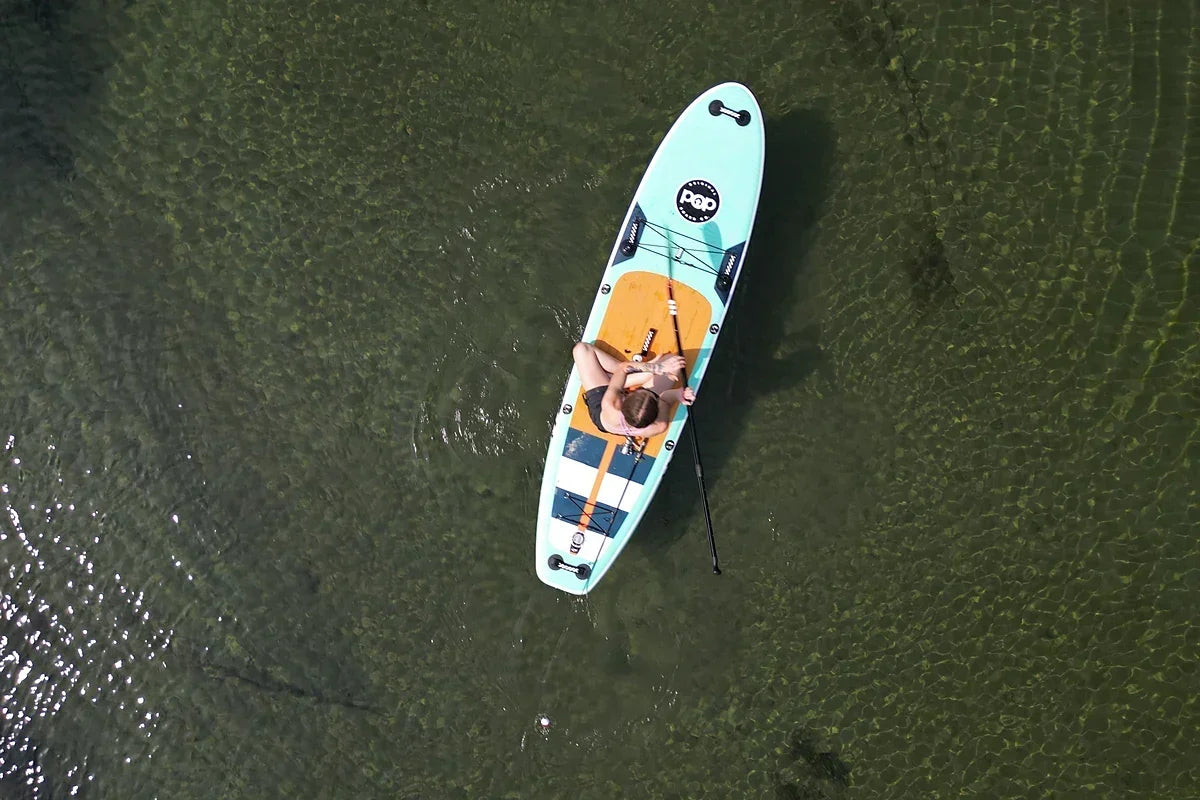
September can offer quieter launches, comfortable water and excellent light, but it is not automatically calmer or safer. Check the specific waterbody, wind, water temperature and daylight, then match the route and clothing to those conditions.
Labour Day often sends boards into storage even when local conditions still offer suitable paddling windows.
September can offer quieter launches, comfortable air and attractive light. It also brings shorter daylight and a widening gap between air and water temperature, so the month should be assessed by conditions rather than treated as universally better.
Why September water can stay comfortable
Water usually changes temperature more slowly than the air above it. That means a cool September morning can arrive while a lake or sheltered bay still holds some summer warmth. The exact pattern depends on depth, size, recent weather, current and location.
Do not turn that seasonal pattern into a promise. Check local water information where available and dress for the swim. A warm forecast or a familiar shoreline does not tell you how your body will respond to an unexpected immersion.
The crowds vanish and the water goes flat

Boat traffic drops off sharply after Labour Day. For a paddleboarder that is not a minor comfort improvement, it changes the actual paddling.
Lower boat traffic can mean less wake and easier launch access. The difference varies by location and day, and calm-looking water can still change quickly with wind.
If you have been meaning to try a longer route, a point-to-point paddle, or one of the bigger Canadian Shield lakes, September is when it becomes pleasant instead of a fight. Our Canadian Shield lake picks hold up especially well this time of year.
Fewer insects and less shoreline traffic
Insect pressure often eases as nights cool, although timing varies widely by region and weather. Check the launch rather than assuming the bugs are finished.
Dawn and dusk can offer attractive light, but they also bring lower visibility, less traffic nearby and tighter daylight margins.
Why fall light appeals to paddlers
Low-angle September sun does things to Canadian water that August sun does not. Longer shadows, warmer colour, mist coming off the lake on cool mornings, and turning leaves along the shoreline in the back half of the month.
Lower sun angles and fall colour can create attractive photographs in September and October. Keep photography secondary to route, visibility and weather.
What actually changes, and how to handle it

Four things genuinely shift in September, and all four are manageable.
Daylight shortens quickly through September, and the amount varies by latitude. Check the local sunset time before launch and carry an appropriate light when the outing could approach dusk.
Air and water temperatures can separate in fall. Check both, then dress for immersion rather than the parking lot. The fall layering guide below explains how to build the clothing system.
Wind picks up. September brings more frontal activity than midsummer. Morning is generally your calmest window. Check the forecast, and be honest about whether you can paddle back into what is pushing you out.
Transport Canada advises stand-up paddleboarders to always wear a lifejacket or PFD. A leash is not an approved replacement for flotation, and applicable safety-equipment requirements must be carried when a SUP is used as a pleasure craft. Review the current Safe Boating Guide for the outing you are planning.
What to bring that you would not bring in July
You do not need a new board. You need three or four things you probably already own.
- A proper flotation device worn, not strapped to the deck.
- A dry bag with a warm layer and a wool hat inside it. The hat is the highest value item per gram in fall paddling.
- Neoprene on your feet. Cold feet end more September paddles than cold anything else.
- A headlamp or a white light, because you will misjudge sunset at least once.
- A leash. Wind separation from your board is the fall failure mode.
Everything else is what you already carry. Browse paddleboard accessories if you are filling gaps.
Do not put the dock away yet either
The same logic applies to inflatable docks. Water that is warm enough to swim in is water that is warm enough to lounge on, and a September dock day with nobody else on the lake is a different experience than a crowded August one.
An inflatable dock can remain useful after Labour Day where local conditions and monitoring allow. Remove it before freezing, serious weather or access becomes a problem.
Frequently Asked Questions
Can you paddleboard in September in Canada?
Yes, when the specific waterbody, wind, water temperature and daylight support the outing. September can be quieter, but it is not automatically calmer or safer.
Is the water colder in September than June?
Usually not. Lakes lag air temperature by about a month, so early September water is often warmer than late June water even though the air is much cooler.
What should I wear paddleboarding in the fall?
Layer for immersion. That generally means a base layer that stays warm wet, a wind-resistant outer layer, neoprene footwear, and a warm hat in a dry bag. Cotton is the one thing to avoid.
When does paddleboarding season actually end in Canada?
There is no fixed date. Stop when the water, weather, clothing, route, daylight or rescue options no longer leave a suitable safety margin.
Do I still need a PFD in the fall?
More than ever. Fewer people are on the water to notice a problem, and colder water shortens the time you have to self-rescue. Transport Canada requirements do not change with the season.
Should I paddle farther because the lake is quieter?
No. Quieter water can mean fewer people nearby if something goes wrong. Keep the route appropriate for the forecast, clothing and backup plan.
Related Canadian Board Co. guides and gear
Plan the next outing with a wider safety margin
Browse PFDs and water-safety gear, or call 1-800-399-5260 for help choosing equipment for your paddling conditions.
Browse water-safety gear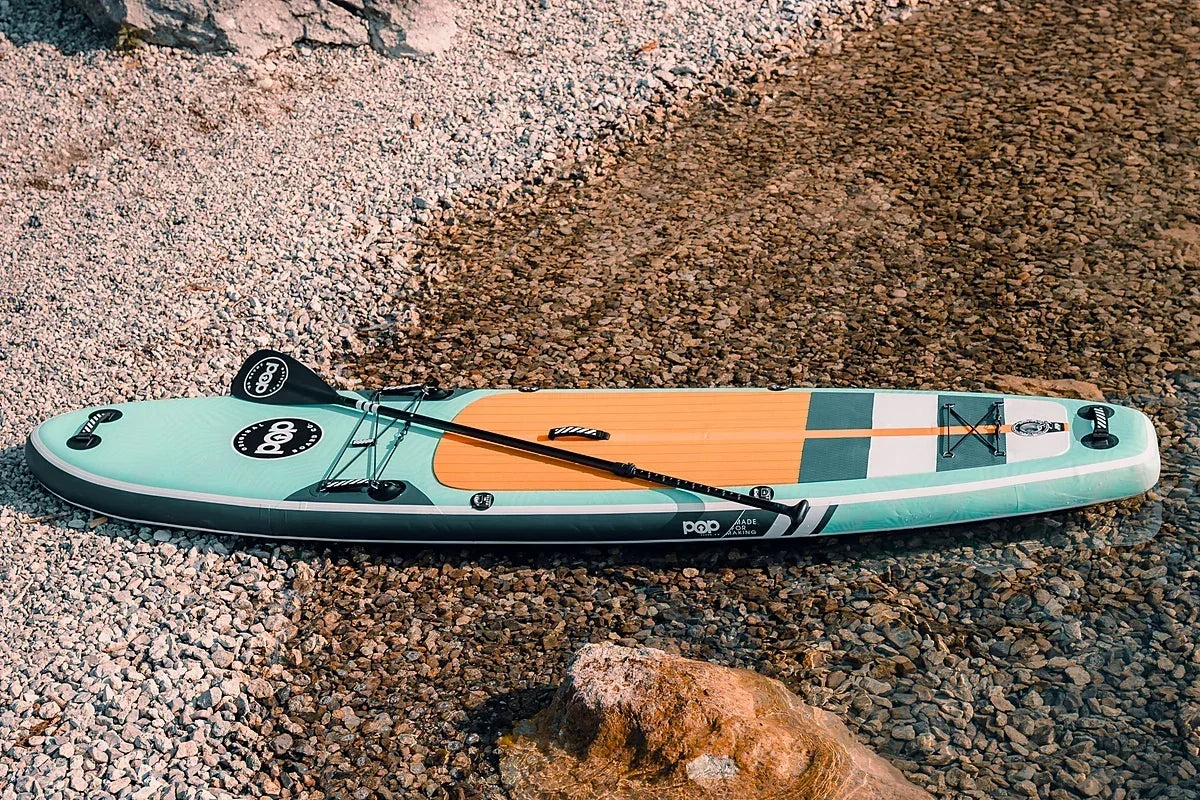
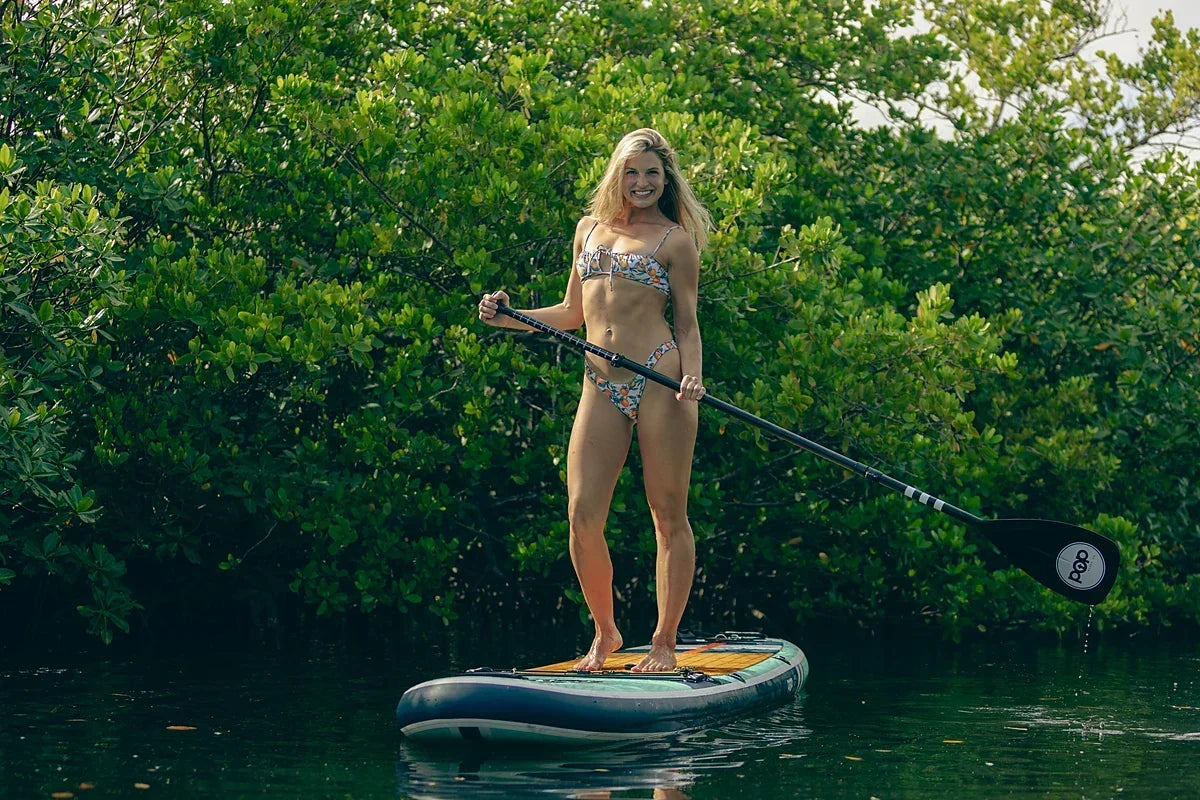

Leave a comment
All comments are moderated before being published.
This site is protected by hCaptcha and the hCaptcha Privacy Policy and Terms of Service apply.