
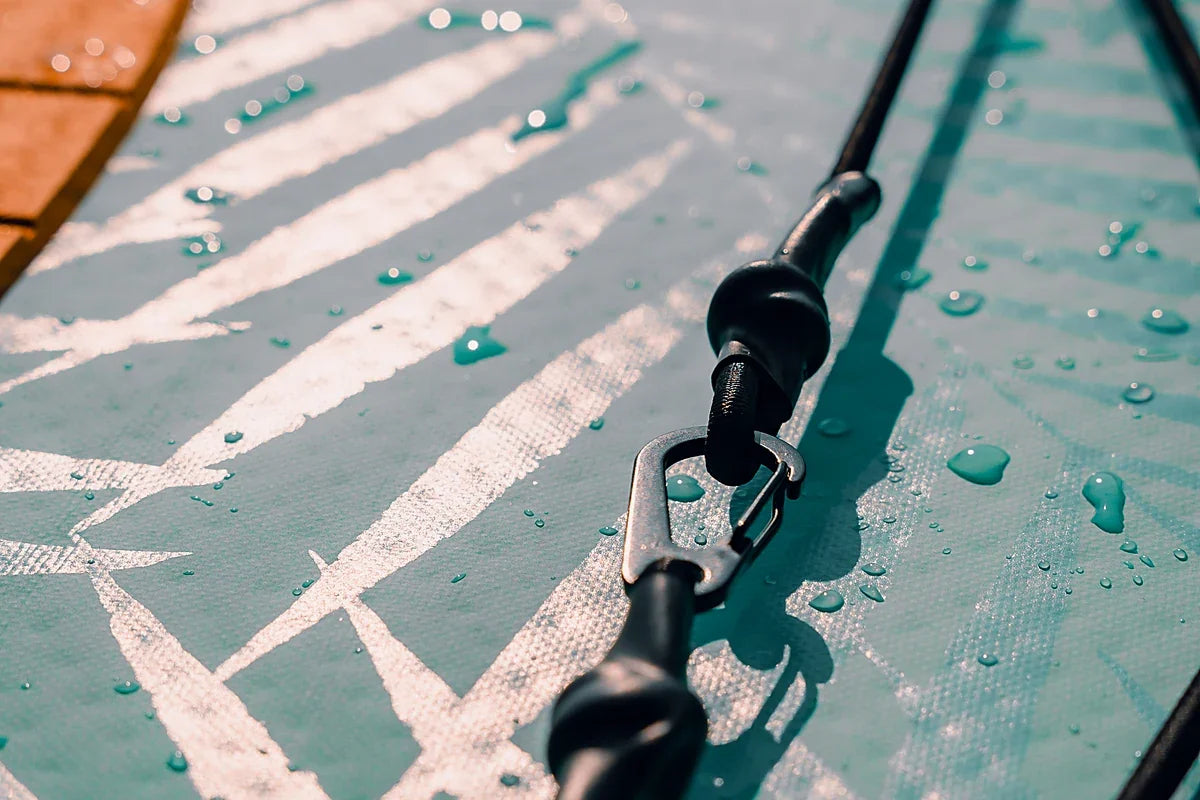
Air contracts as it cools, so an inflatable can feel softer after a temperature drop without leaking. Recheck at a stable temperature, inspect the valve and seams, and never exceed the stated PSI while troubleshooting.
Every autumn we get the same call. Somebody pumped their board or dock up to pressure in the afternoon, came back the next morning, and found it noticeably soft. They are convinced they have a leak. Most of them do not.
This is one of the most misunderstood things about inflatable gear, it causes a lot of unnecessary worry and a fair number of unnecessary repairs, and it becomes much more pronounced in the shoulder season when the temperature swing between afternoon and dawn gets large.
What is actually happening
Air pressure inside a sealed container changes with temperature. Warm the air and the pressure rises. Cool it and the pressure falls. The volume of your board or dock is essentially fixed, so temperature change shows up directly as pressure change on your gauge.
This is not a defect, it is not specific to any brand, and it is not something better construction avoids. It happens in car tyres, in basketballs and in every inflatable ever made.
The practical version: a board inflated to full pressure on a warm October afternoon will read meaningfully lower at six the next morning when the temperature has dropped fifteen degrees overnight. Nothing has escaped. The same air is simply exerting less pressure because it is colder.
The same thing works in reverse, and that one can damage things

The direction people worry about is losing pressure. The direction that actually causes damage is gaining it.
A dock inflated to its target pressure in cool morning air, then left sitting on the water in direct afternoon sun, heats up. The air inside expands, the pressure climbs above the target, and now you are running the seams above their intended working pressure for hours.
This is an easy way to over-stress inflatable gear: setting pressure correctly, then leaving the product to warm substantially without another check.
Check pressure again on hot afternoons. If it has climbed above target, bleed a little out. This takes ten seconds.
Do not inflate to the absolute maximum on a cold morning if the day is going to be hot. Leave yourself a little headroom.
How to tell a temperature drop from an actual leak
Here is the test. It takes one evening.
Step 1. Bring the board or dock up to its correct working pressure. For our docks and boards, that is 5 to 7 PSI depending on the product, with 7 as the target on the 14 foot docks. Use a gauge. Do not use your thumb.
Step 2. Note the pressure and the air temperature at that moment.
Step 3. Leave it somewhere with a *stable* temperature. Indoors is ideal. A basement, a heated garage, anywhere that will not swing.
Step 4. Check it again after twelve hours, at a similar temperature to when you started.
If the pressure is unchanged or almost unchanged, you do not have a leak. What you have is a normal temperature response, and you were reading it in a place where the temperature was moving.
If the pressure has dropped noticeably in a stable-temperature environment, you have a leak. Now it is worth finding.
Reduce the temperature variable by comparing readings in similar, stable conditions.
If it really is a leak, check the valve first
Valves cause far more slow leaks than seams do. They are also far easier to fix.
Unscrew the valve cap. Look for grit, sand or a hair sitting on the sealing surface. Check that the spring pin moves freely and seats properly. Make sure the valve body itself is tight in its housing, because they can work loose over a season, and a valve that is a quarter turn loose leaks slowly and steadily.
Cleaning the valve seat and snugging the valve body resolves a large share of the leaks people bring to us.
If that does not do it, mix a little dish soap with water in a spray bottle, bring the item to full pressure, and spray the valve, then the seams, then the D-ring patches, then the whole surface. Bubbles find the leak. A repair kit handles most punctures and lifting patch edges on the spot.
If you find a seam separation of any real length, stop and call us at 1-800-399-5260 before you try to fix it yourself. That one is worth a conversation, and if the item is inside its coverage window the warranty may apply.
Why this matters more than it sounds

Running an inflatable under-pressured is genuinely bad for it, and it is the failure mode people fall into when they assume soft means broken and stop bothering.
Drop-stitch construction uses air pressure to tension internal fibres between the faces. Correct pressure creates the intended rigidity. Underinflation reduces stability, while overinflation can damage the product.
A dock at 4 PSI does not just feel soft underfoot. It flexes, it bows under weight, it becomes unstable to stand on, and it puts sustained stress on seams that should be doing very little work. Do that for a couple of seasons and you shorten the life of the thing considerably. We went into how this affects load in how much weight an inflatable dock can hold, and into construction itself in what drop-stitch actually is.
So the takeaway is not "ignore soft, it is just the cold." It is: understand why it went soft, then put the pressure back.
What this means for fall and for storage
Three practical consequences as the season winds down.
Carry a gauge in the fall. In July the temperature swing is smaller and you can get away with guessing. In October the day to night swing is large and your board will genuinely be at a different pressure morning and afternoon.
Expect to top up more often. This is not your gear failing. It is October.
Do not store at full working pressure. If you overwinter something inflated, which is a perfectly good option, drop the pressure well below the working range first and keep it out of direct sun and off cold concrete. A stored item that gets warmed by a sunny window in February at full pressure is doing unnecessary work. Our storage mistakes guide has the rest.
An electric pump makes all of this much less annoying, particularly with cold hands. The pump range and the buying guide cover the options.
Frequently Asked Questions
Why does my paddleboard lose pressure overnight?
Usually temperature. Air pressure inside a sealed inflatable falls as the air cools, so a board inflated on a warm afternoon reads lower on a cold morning without any air having escaped. Test in a stable-temperature space to rule this out before assuming a leak.
Is it normal for an inflatable dock to go soft in cold weather?
Yes. It is a normal physical response to falling temperature, not a fault. Bring it back to working pressure with a gauge rather than by feel.
How do I know if my inflatable has a real leak?
Inflate to correct pressure, leave it in a place with a stable temperature for twelve hours, then re-check at a similar temperature. A significant drop under stable conditions means a leak. Little or no drop means you were seeing temperature response.
Can an inflatable paddleboard be over-inflated by the sun?
Yes. Air expands as it warms, so an item inflated to target pressure in cool air can climb above its working pressure sitting in hot sun. Check on hot afternoons and bleed a little if needed.
What PSI should my inflatable dock be?
Current POPUP dock pages list 5 to 7 PSI, with 7 PSI as the target on the 14-foot models. Confirm the exact page and use a gauge.
Where do most slow leaks come from?
Valves, by a wide margin. Grit on the sealing surface, a spring pin that is not seating, or a valve body that has worked loose. All three are quick to check and often quick to fix.
Can I add extra pressure to prove there is a leak?
No. Stay within the product’s stated pressure range and account for later warming.
Related Canadian Board Co. guides and gear
Check the pressure with the right equipment
Browse pumps and current warranty guidance, or call 1-800-399-5260 for help troubleshooting the setup.
Browse pumps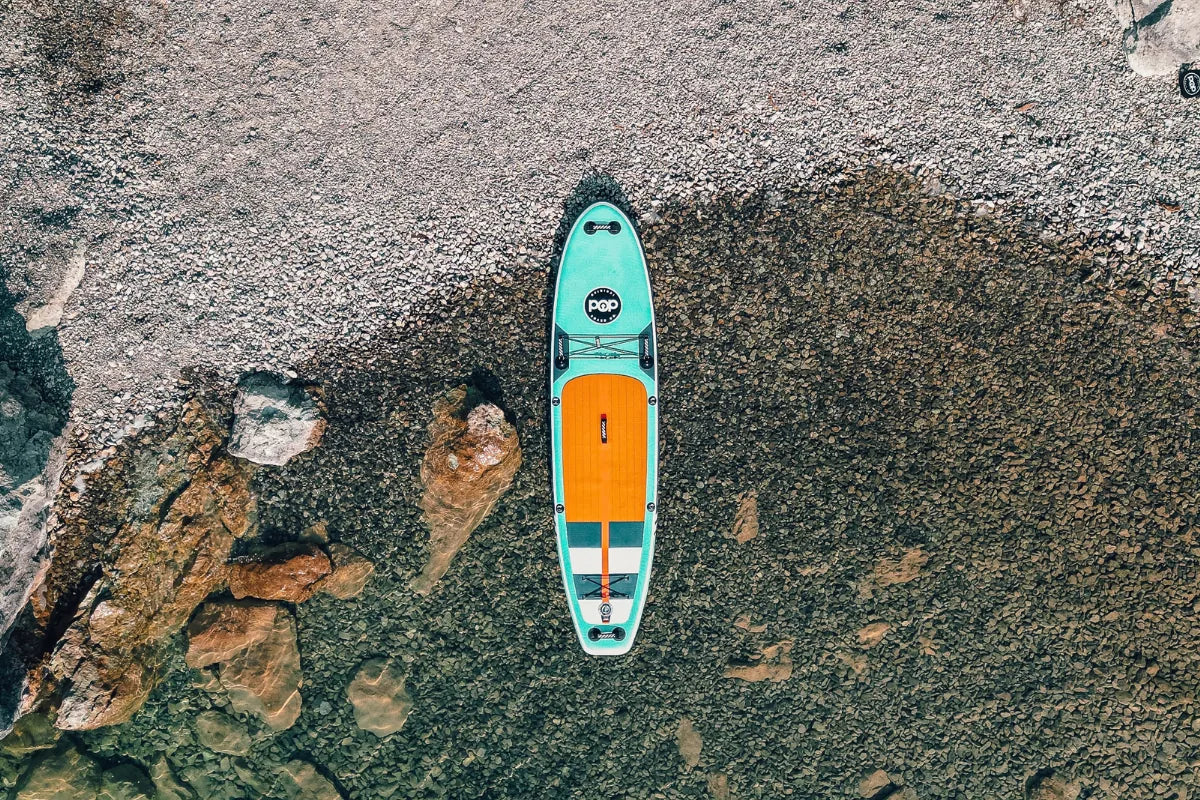
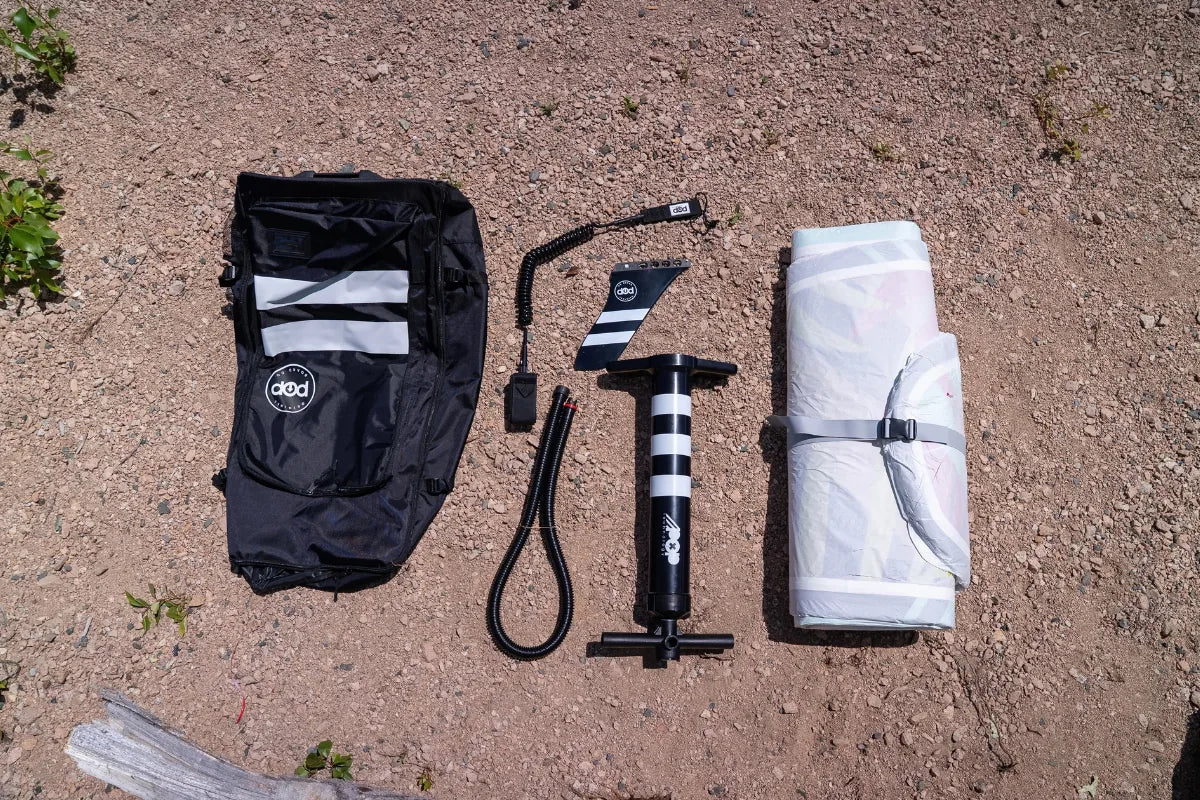

Leave a comment
All comments are moderated before being published.
This site is protected by hCaptcha and the hCaptcha Privacy Policy and Terms of Service apply.