
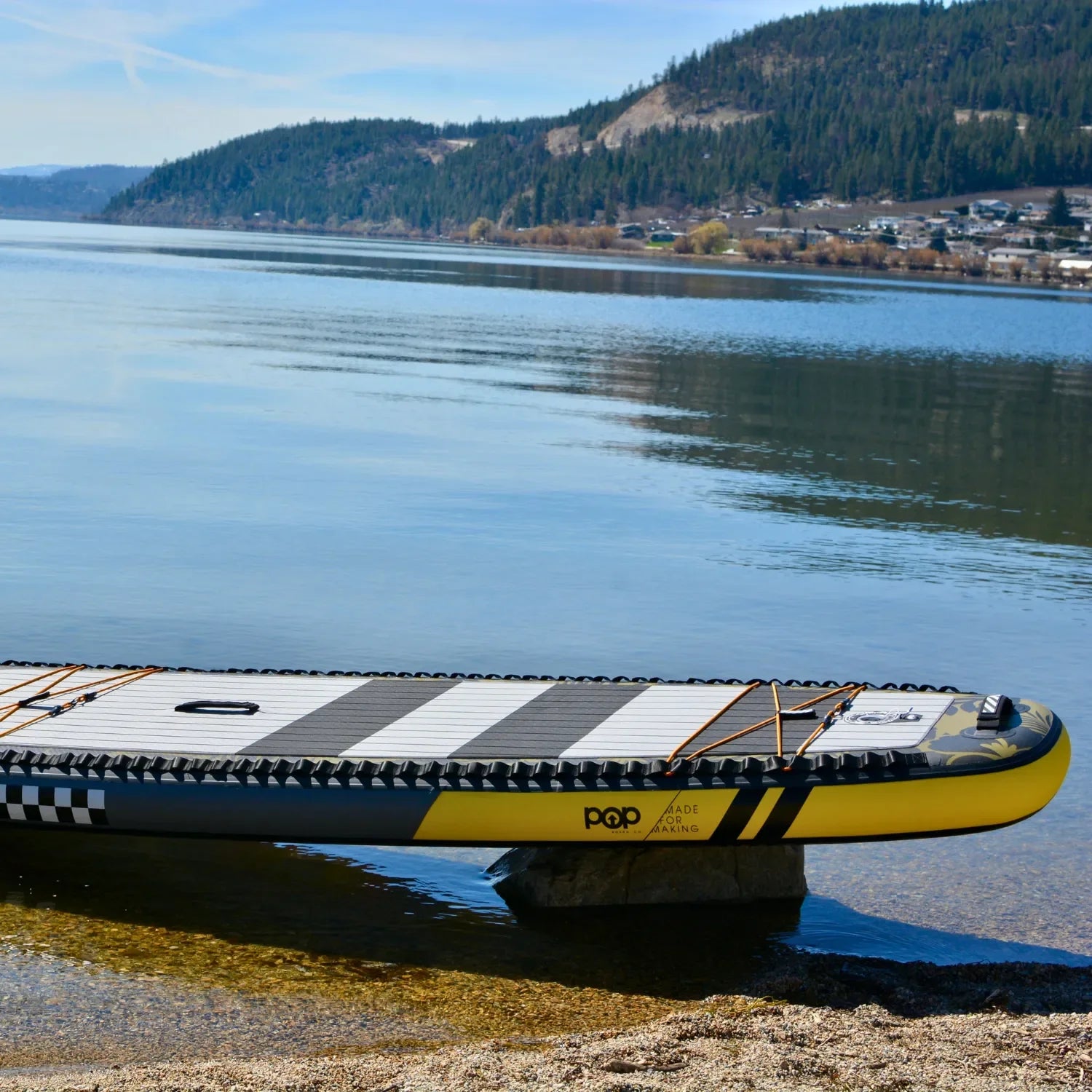
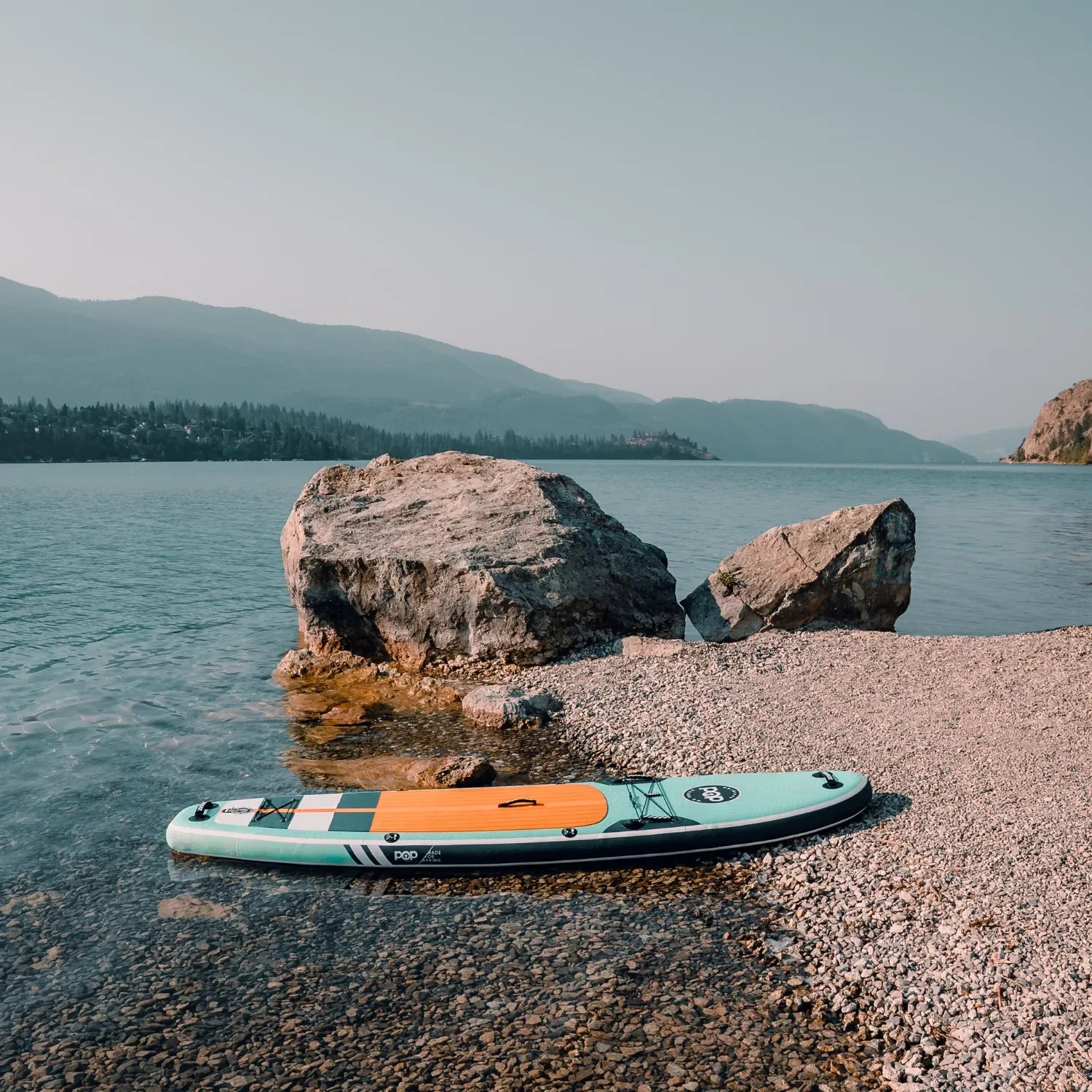
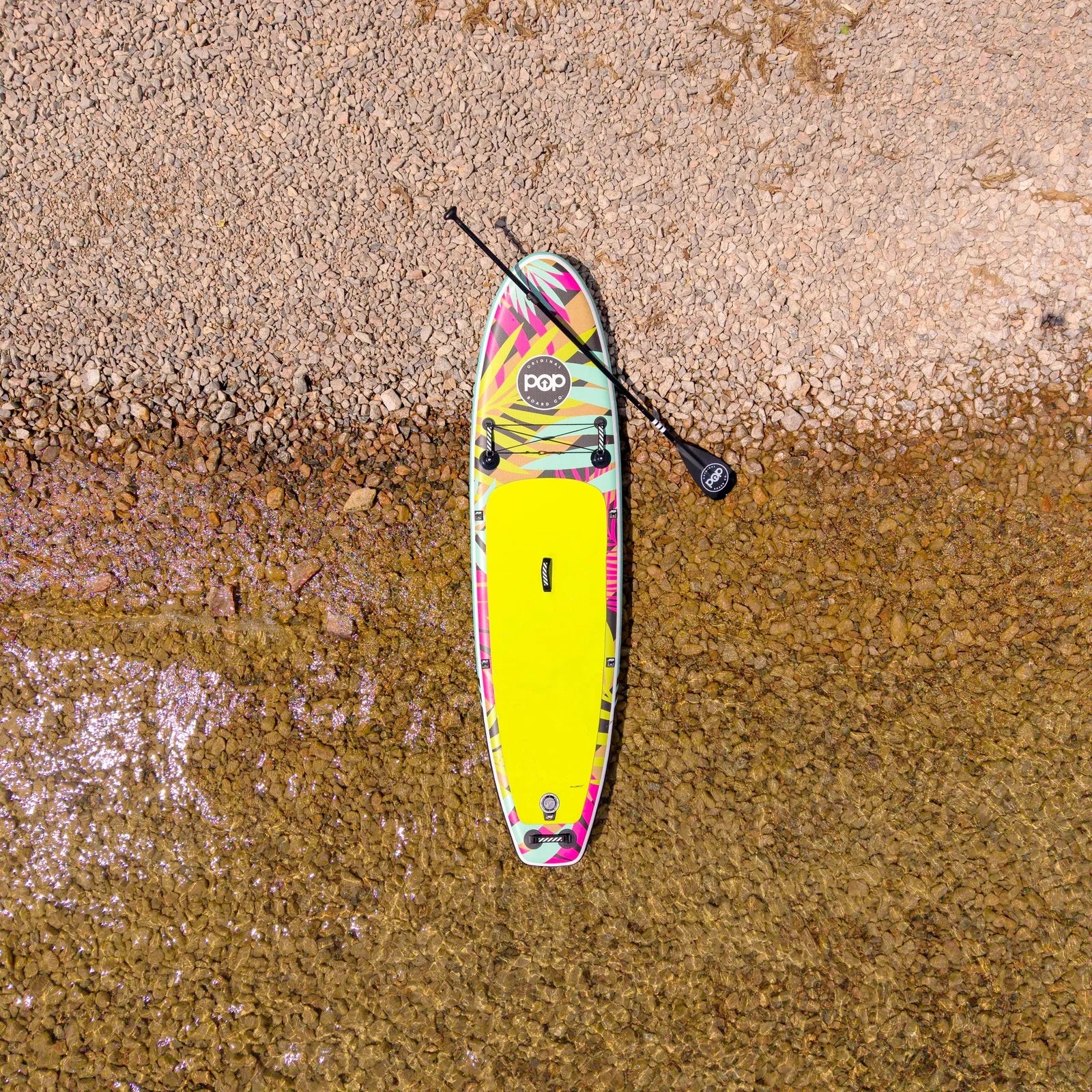
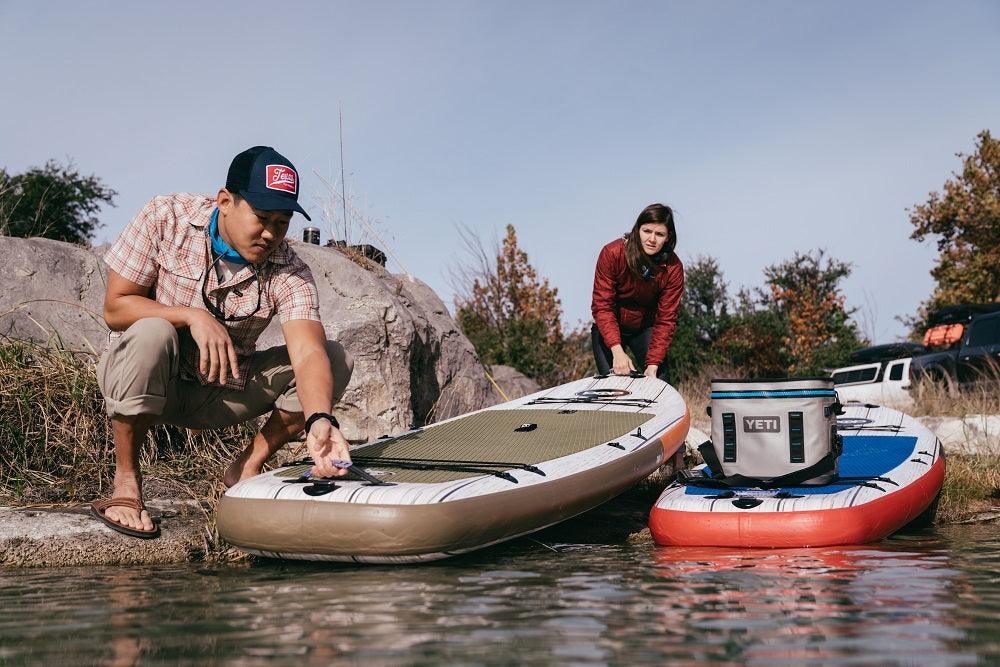
A suitable inflatable paddleboard can be used in salt water. Rinse the complete setup with fresh water, keep sand away from the valve and fin box, and plan around wind, tide, current, cold water and boat traffic.
Yes, when the board is suitable for the local conditions and its instructions permit salt-water use.
This question comes up constantly and the reason is that people know salt water is hard on boats and outboards and assume the same applies here. It mostly does not, because the parts of a boat salt attacks are the parts an inflatable paddleboard does not have. There is no engine, no metal hull, no electrical system and no through-hull fittings.
But "you can" is not the same as "nothing to think about". Here is the accurate version.
What salt water actually does to an inflatable
To the PVC: essentially nothing. Commercial-grade PVC over a drop-stitch core is chemically indifferent to salt. It does not corrode, it does not degrade, and it does not weaken. UV is a far bigger enemy to the material than salt will ever be.
To metal parts: this is where it acts. Fin screws, fin plates, D-ring hardware, valve components, pump fittings, any buckle or clip on a leash or bag. These are what corrode, and this is where nearly all salt-related problems live.
To adhesives and seams: indirectly. Salt itself is not an aggressive solvent here. Salt crystals left to dry in a seam or under a patch edge are mildly abrasive and hold moisture against the bond, which over many seasons is not helpful. This is a slow, cumulative effect, not a dramatic one.
To zippers, bags and straps: noticeably. Salt crystals in a zipper is how a board bag zipper seizes. Genuinely irritating and completely preventable.
The summary: salt does not attack the board, it attacks the hardware and the accessories. Which is convenient, because rinsing is easy.
The five minute routine that prevents all of it

Rinse with fresh water, the same day. Not next week. Salt does its work while drying and sitting, so getting it off promptly is the entire strategy. A hose is ideal. A bucket works. A shower works.
Get the hardware specifically. Do not just hose the deck. Aim water at the fin box and fin screws, every D-ring, the valve and its housing, the leash plug and any buckles. These are the parts that matter and they are the ones a casual rinse misses.
Rinse compatible accessories too, including the paddle adjustment area, leash hardware, fin and bag exterior. Follow pump instructions and keep parts dry when they are not meant to be rinsed.
Dry both sides and the accessories before storage.
Rinse the fin box when the fin is out, occasionally. Salt builds up in the channel and eventually you have a fin you cannot remove. Pull the fin, rinse the box, dry it, put it back.
Five minutes. That is the whole thing.
What changes for coastal paddling, which is the bigger conversation
Honestly, salt is the least important difference between paddling a lake and paddling the ocean. The conditions are what deserve your attention.
Tides and currents. A tidal current can be stronger than you can paddle against. An outgoing tide moving away from shore is a genuine hazard and it is the classic way inexperienced coastal paddlers get into trouble. Know the tide table before you launch, and understand which way the water is going.
Offshore wind can make the return much harder and move a paddler away from shore. Check direction and gusts, choose a protected route, and do not launch when the return is uncertain.
Swell and surf. Launching and landing through surf is a skill. A large inflatable board in breaking waves is a lot of buoyancy moving unpredictably, and it can hurt you.
Boat traffic and shipping. Coastal water has commercial traffic, ferries and fishing vessels, and a paddleboarder is very hard to see from a wheelhouse.
Colder water than the air suggests. Pacific and Atlantic coastal water is cold year-round. Dress for immersion.
Transport Canada advises stand-up paddleboarders to always wear a lifejacket or PFD. A leash is not an approved replacement for flotation, and applicable safety-equipment requirements must be carried when a SUP is used as a pleasure craft. Review the current Safe Boating Guide for the outing you are planning.
A leash matters more in salt than anywhere else. Wind and current separate a swimmer from a loose board faster than the swimmer can close the gap, and the board is your flotation and your visibility.
What about docks in salt water?
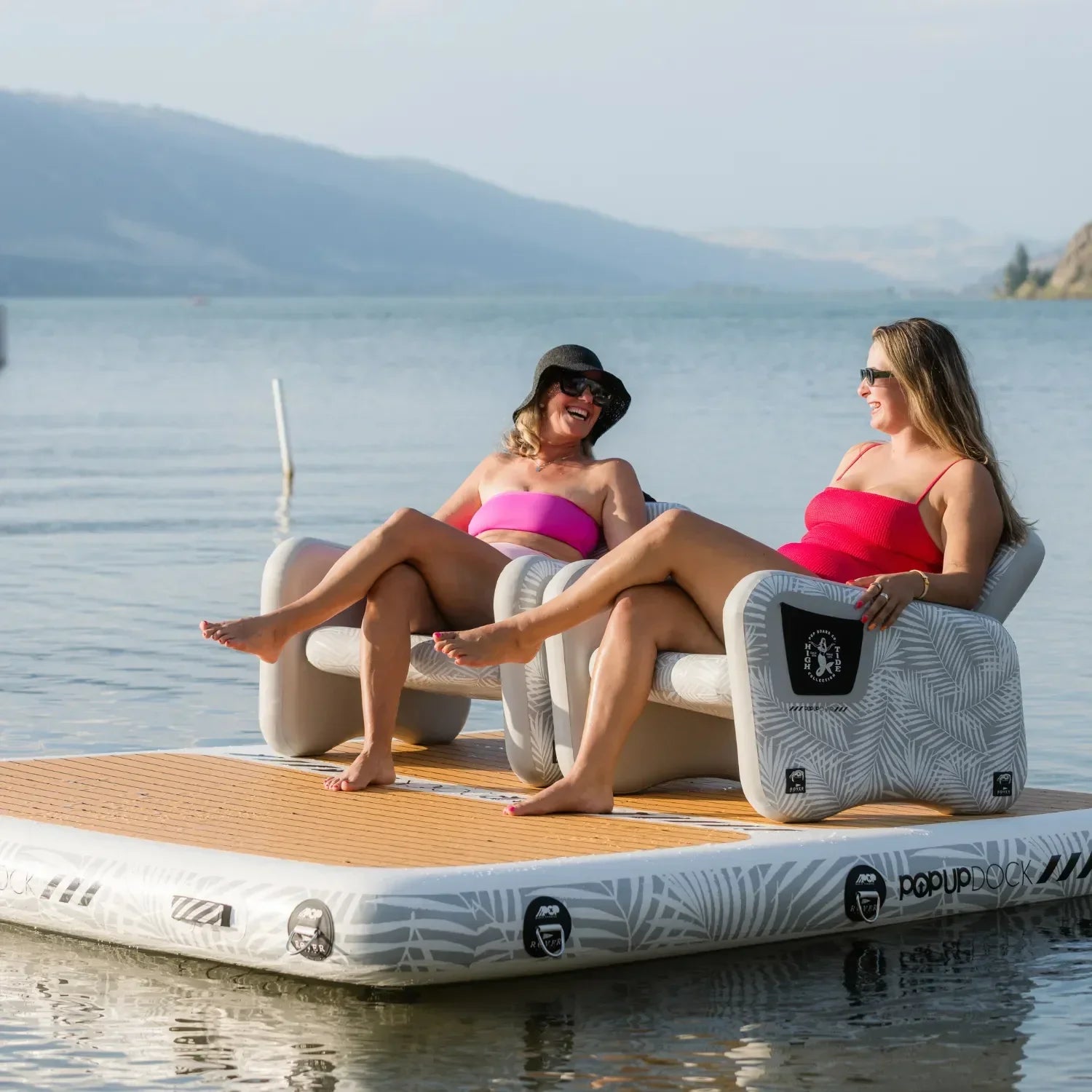
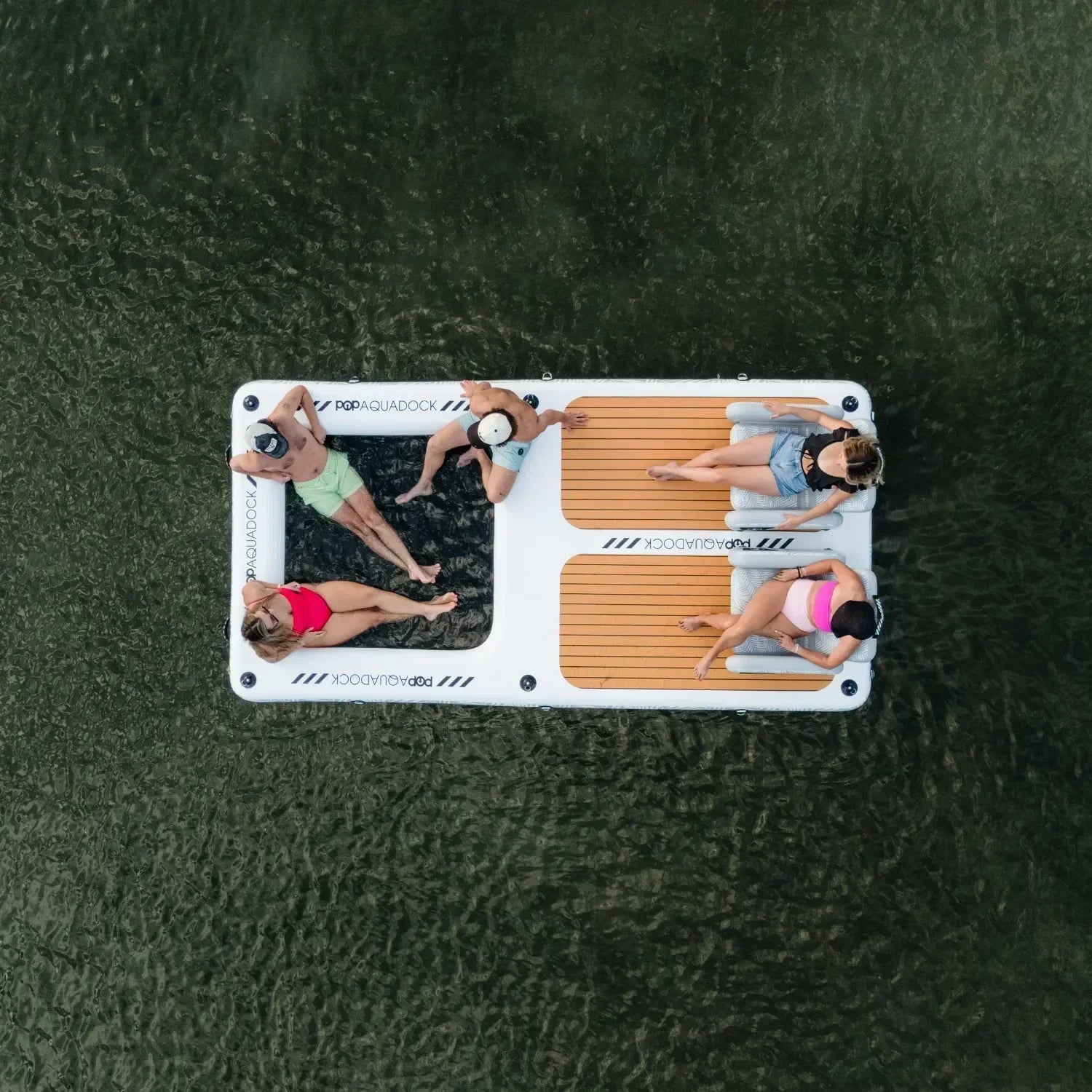
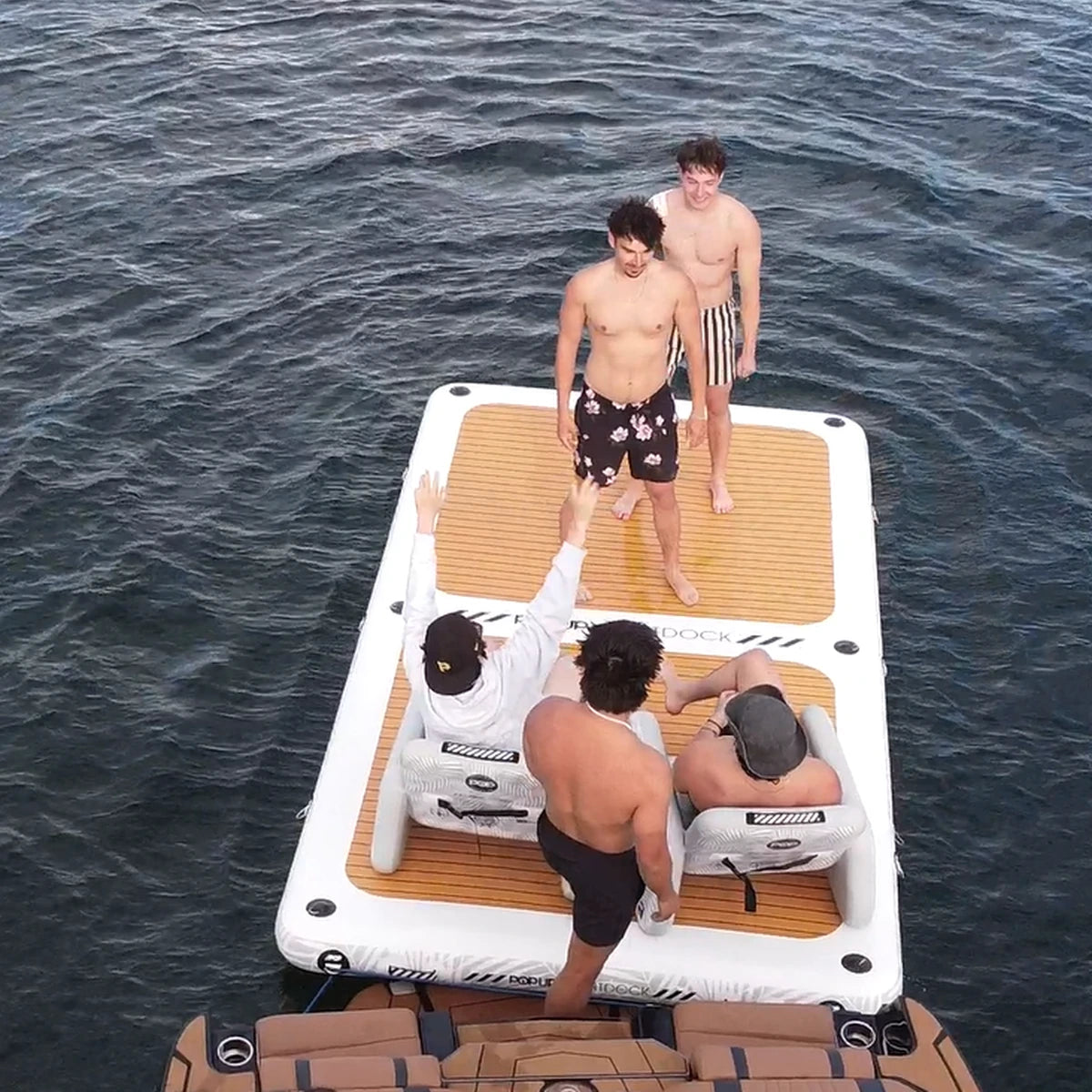
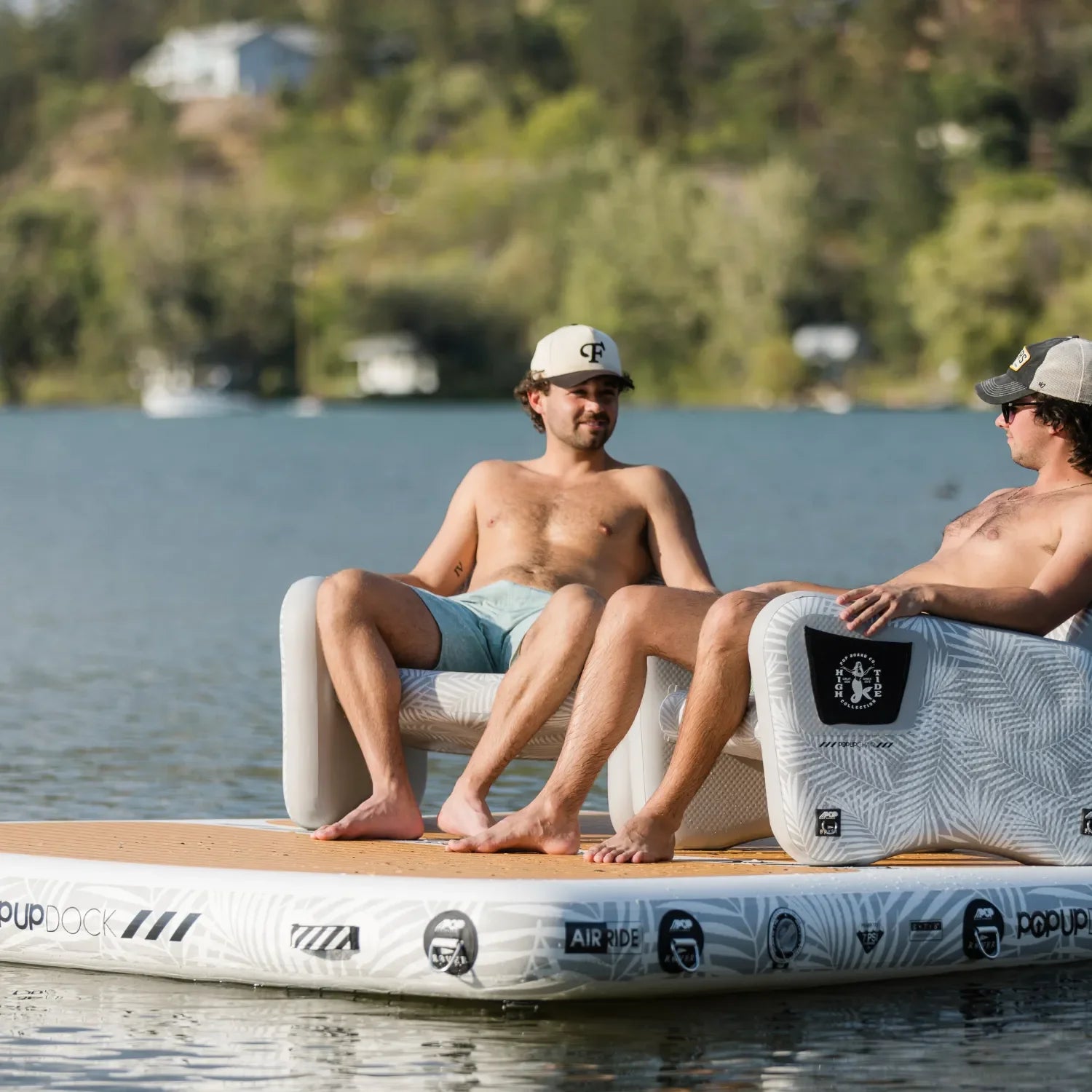
Same answer. The inflatable dock range is used in salt water regularly, often boat-side, which is exactly what the YachtDock is built for.
Two additions for a dock that lives in salt water for a season:
Rinse the D-rings and anchor hardware more often than feels necessary. A dock in the water continuously accumulates salt at every metal point, and anchor shackles and rings are load-bearing.
Watch the waterline. Salt water grows different fouling than fresh, and marine growth at the waterline is more persistent. Clean it while the dock is still inflated and floating, which is much easier than dealing with it on grass in October.
The end-of-season process is otherwise the same, with a thorough fresh water rinse taking on more importance. Our dock winterization guide has the sequence.
A note on inflatable boats and motors

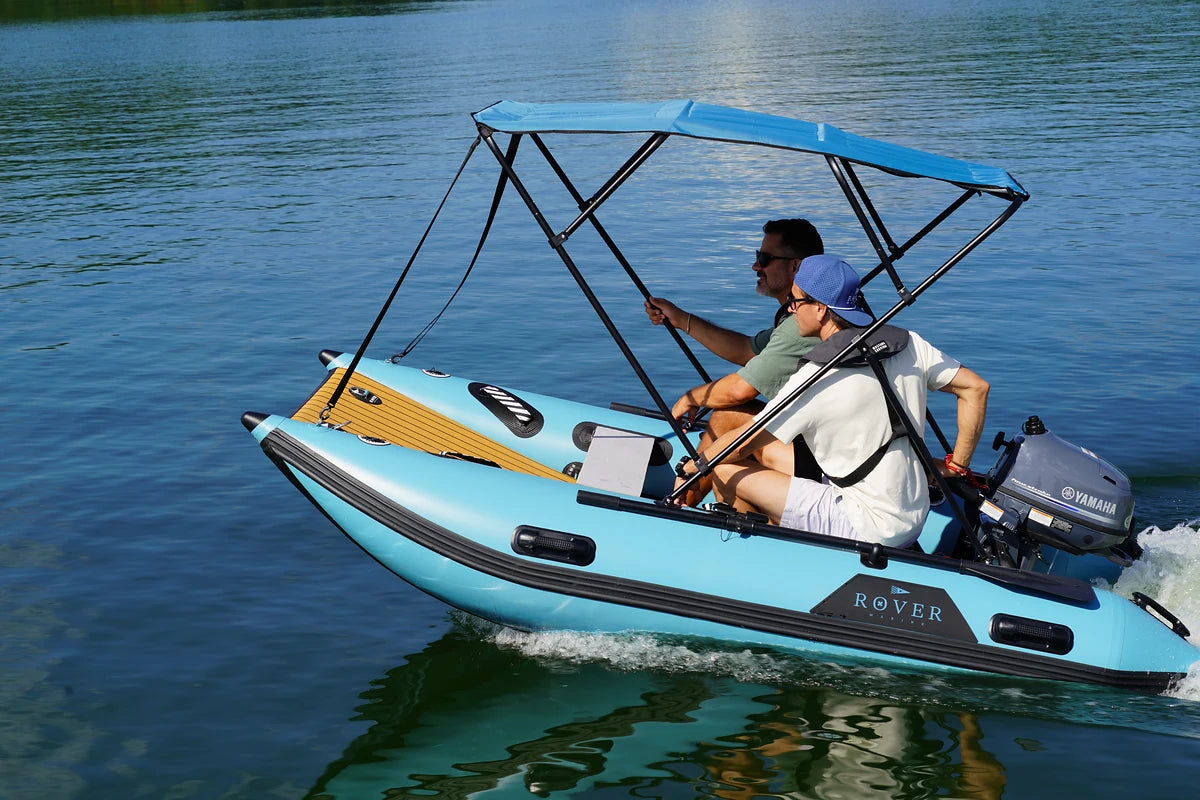
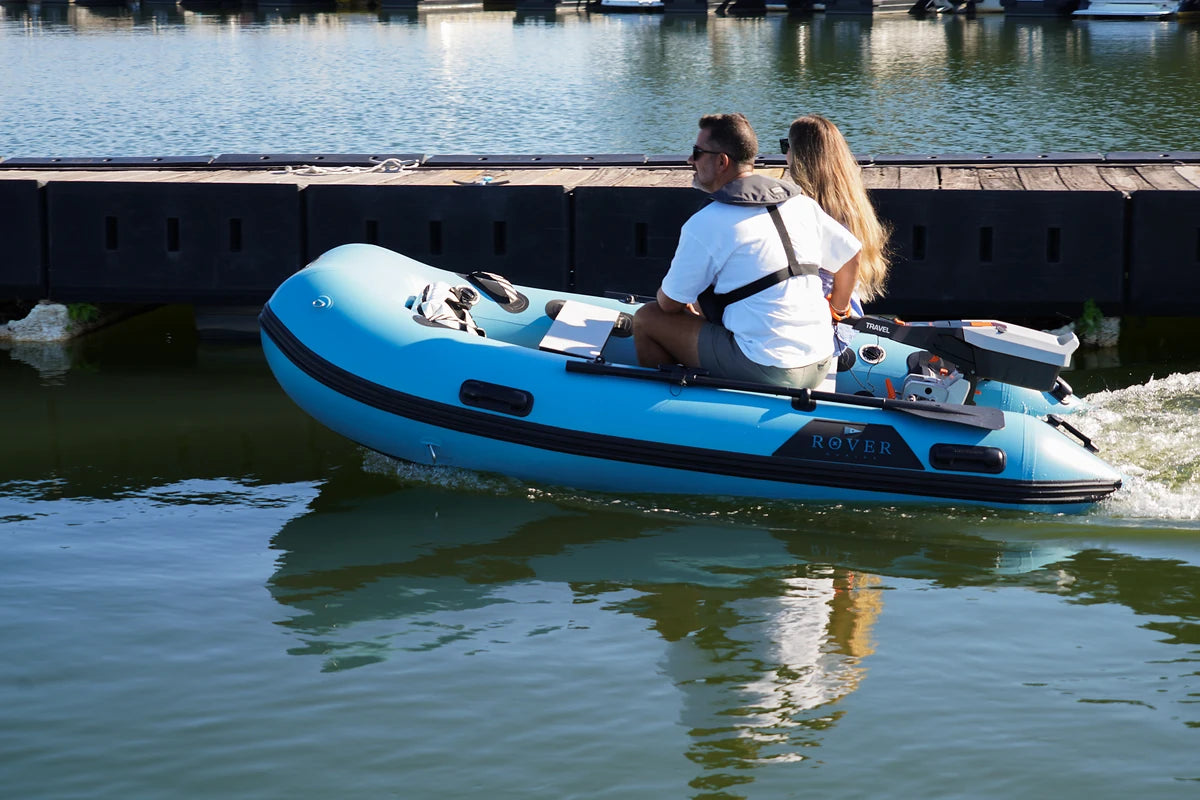
If you run an inflatable boat or a tender in salt, the calculus changes, because now you do have metal, an electrical system and possibly anodes. Flushing per the manufacturer becomes a real requirement rather than good practice, and anodes are consumable. See winterizing an electric outboard and the inflatable maintenance guide.
The short version
A suitable inflatable paddleboard can be used in salt water, but materials and hardware vary. Rinse the board and compatible accessories with fresh water, dry them, and follow the product instructions.
Questions about a specific board or dock in coastal use, the shop is at 1-800-399-5260, Monday to Friday, 8 to 5 Pacific. We are in Kelowna, and a good share of our customers paddle salt.
Frequently Asked Questions
Can you use an inflatable paddleboard in the ocean?
Yes. The PVC and drop-stitch construction is unaffected by salt. Rinse the board and all hardware with fresh water the same day, and dry it before storage.
Does salt water damage inflatable paddleboards?
Not the board material itself. Salt corrodes metal components such as fin screws, D-ring hardware and valve parts, and salt crystals left in seams and zippers cause problems over time. A prompt fresh water rinse prevents all of it.
Do I need to rinse my paddleboard after every ocean session?
Yes, and the same day. Salt does its damage while drying and sitting, so a prompt rinse is far more effective than a thorough one a week later.
Is an inflatable or hard board better for the ocean?
Inflatables are more impact-tolerant and easier to transport, which suits most recreational coastal use. Dedicated hard boards are preferred for serious surf and long-distance touring where hull efficiency matters.
What is the most dangerous condition for coastal paddleboarding?
Offshore wind, which feels pleasant on the way out and can make the return impossible. Tidal currents moving away from shore are a close second. Check both before launching.
Can inflatable docks be used in salt water?
Yes, and boat-side use in salt is common. Rinse the metal hardware more frequently, clean marine growth at the waterline while the dock is still floating, and give it a thorough fresh water rinse at end of season.
Should I rinse the pump too?
Rinse only components that contacted salt or sand and follow the pump instructions. Keep electrical or internal parts dry unless the manufacturer says otherwise.
Related Canadian Board Co. guides and gear
Plan the next outing with a wider safety margin
Browse PFDs and water-safety gear, or call 1-800-399-5260 for help choosing equipment for your paddling conditions.
Browse water-safety gear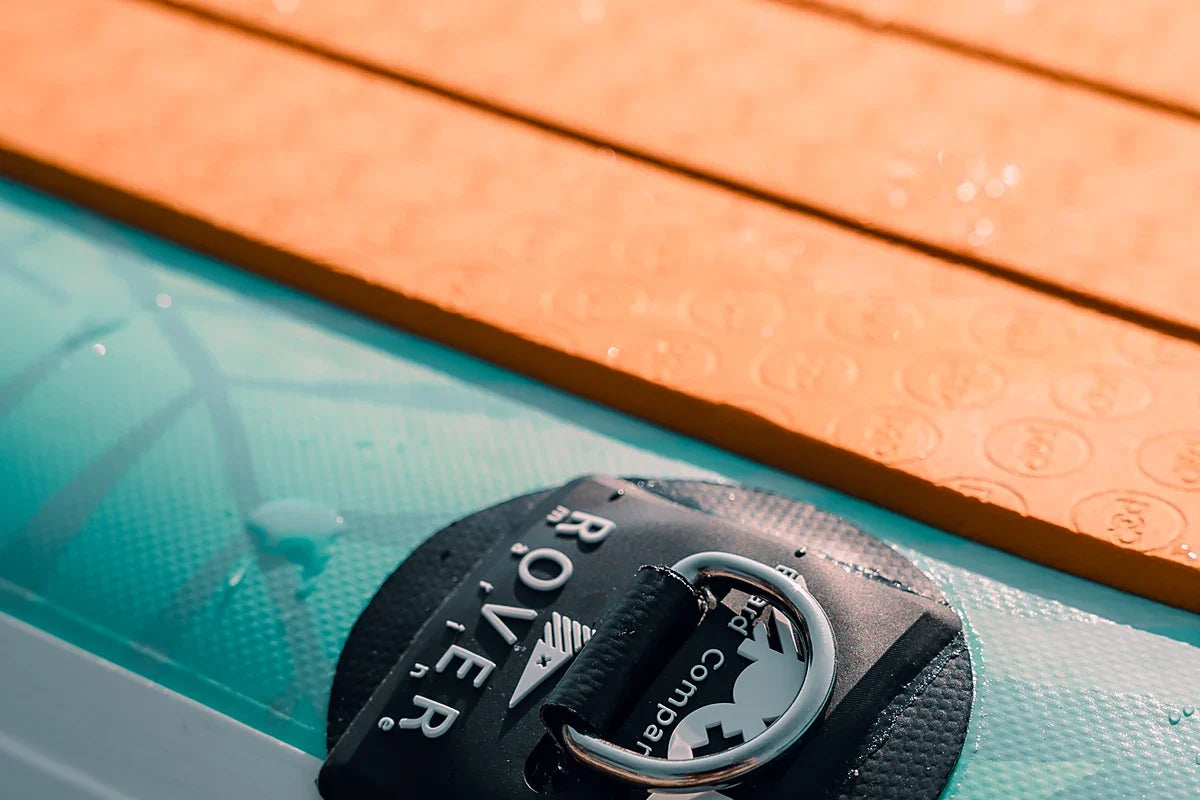

Leave a comment
All comments are moderated before being published.
This site is protected by hCaptcha and the hCaptcha Privacy Policy and Terms of Service apply.