
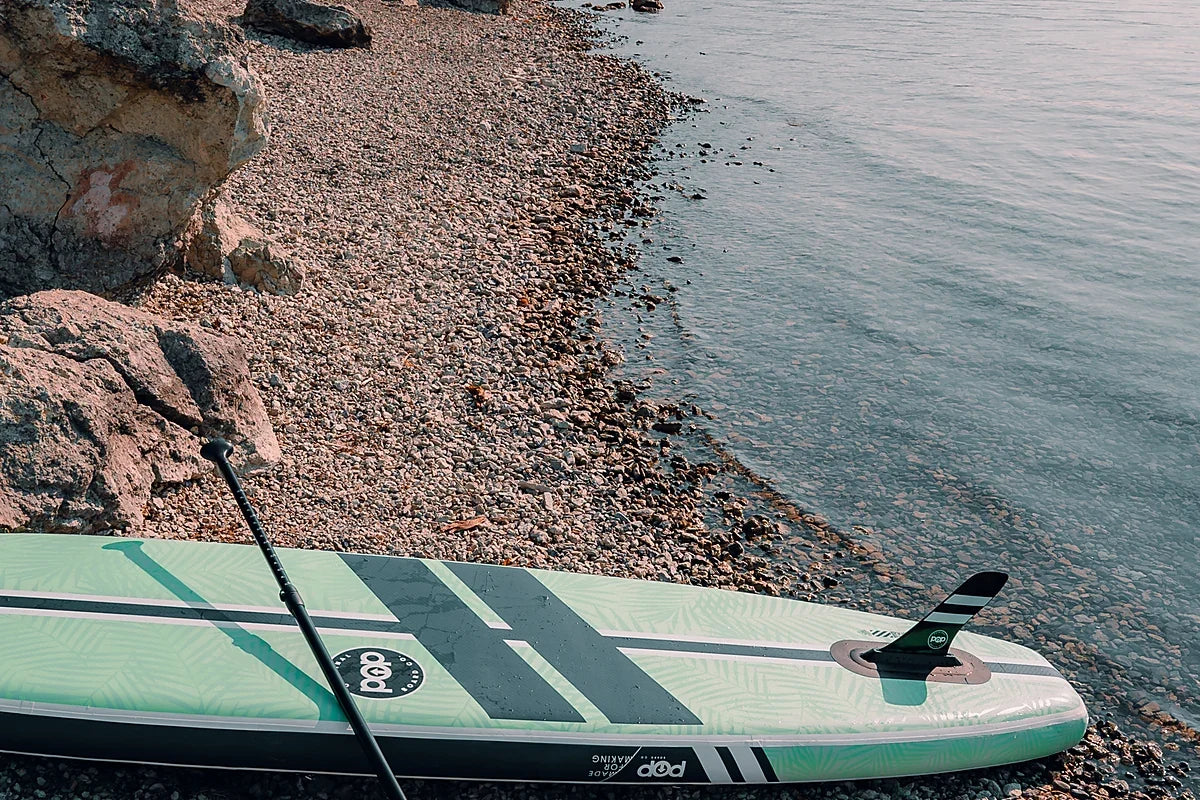
Bring every water item ashore, sort it into clean, jdrying and service groups, then pack only when it is dry and complete. Label pumps, fins, adapters and chargers now so spring setup does not begin with a search.
Search for a cottage closing checklist and you will get plumbing, propane, shutters, mousetraps and a reminder to turn off the water heater. All useful. All necessary.
And then somewhere on the last afternoon, somebody throws a wet dock into a bag, tosses four paddleboards into the boathouse rafters, and leaves the pump on the dock. That is the part for Canadian Water Gear about, and it is the part that costs money.
This is the water side of closing the cottage, in the order you should actually do it.
Two weekends before closing: the assessment pass
Do this while the weather is still decent and while you can still order a part.
Walk the whole inventory and write it down. Boards, docks, chairs, boats, motors, pumps, paddles, PFDs, anchors, ropes, toys. You will find at least two things you forgot you owned.
For each item, note one of three states: fine, needs a small fix, needs replacing. Small fixes are things you can handle with a repair kit and an afternoon. Anything structural needs to be flagged now, because a seam problem sitting in a bag for eight months is a seam problem that gets worse.
Check PFD condition while you are at it. Fading, tears in the outer shell, damaged buckles or a compressed foam core all mean replacement. A flotation device that has spent three summers baking on a dock is not necessarily still doing its job.
The last weekend: the order of operations

The sequence matters, because drying takes far longer than anyone plans for. Work backwards from your departure.
Day one, morning: pull everything out of the water.
Docks, boats, boards, toys. Get them all out and get them all onto grass or a deck where they can dry. Do not stack anything yet.
Fresh water rinse on everything. Soft brush and mild soap for the waterline scum on docks and hulls. No solvents, no bleach, no pressure washer on any inflatable. Pay attention to the underside of docks and the fin boxes on boards, which collect weed.
Day one, afternoon: flip and dry.
This is where people fail. Everything has an underside and the underside is wetter than the top. Flip every board, every dock, every chair. Give it hours, not minutes.
Day one, evening: the deflation pass.
Only deflate things that are genuinely dry on both sides. Open valves fully, drain any water sitting in the housing, wipe the valve seat, check the spring pin moves. Roll from the far end toward the open valve.
Day two, morning: the electronics and motors.
Pumps, batteries, electric outboards, lights and cameras all need model-specific storage. Follow each manual for charge level, temperature and inspection interval.
Electric outboards need their own shutdown: flush per the manufacturer, drain, dry the connectors, bring the battery indoors. If you run a Rover Marine boat or an inflatable tender, the inflatable boat storage guide covers the hull side properly.
Day two, midday: pack and store.
Loose rolls, not tight ones. Dry bags or hard bins. Off the concrete. Out of direct sun. And if you are storing in a shed or boathouse rather than a heated space, use sealed hard-sided containers, because mice will nest in a rolled inflatable and chew through it.
Day two, afternoon: the stuff you take home.
Bring batteries and electronics to a location that meets their manuals. If space allows, store boards in a clean, dry, supported area within the product’s temperature guidance.
The five items that go wrong most often
In rough order of how often we hear about it in spring:
Rodent damage to rolled inflatables. Mice nest in the warmest, most sheltered structure in a cold building, which is your rolled dock. Sealed hard-sided storage solves it.
Mildew from packing damp. Permanent staining and, over time, material degradation. Caused entirely by rushing the drying step.
Freeze damage at the valve. Water left in a valve housing expands when it freezes. Thirty seconds of draining prevents it.
Dead batteries. Lithium packs stored cold at low charge lose capacity permanently. Bring them home.
Rope and anchor rot. Wet line coiled into a bag in September is a mouldy, weakened line in May. Rinse, dry, coil loose.
The paperwork pass, while you are thinking about it
Two things worth five minutes each on the last evening.
Photograph everything. Serial numbers, condition, and the storage setup. It is useful for insurance and it makes next spring's inventory instant.
Note what needs buying. You are looking at your gear with fresh, honest eyes right now in a way you will not be in April. Write down what needs replacing. This list is also, conveniently, exactly what you want in hand when end-of-season and Black Friday pricing shows up in November. Our guide to when to actually buy covers the timing.
What you can leave until later

Not everything has to happen on closing weekend.
A dock may remain in use after the cottage closes only when someone can monitor it and return before freezing or serious weather. Leave enough time for cleaning and drying.
Boards can remain available for October paddling where water, weather, clothing and daylight support it. The decision is personal and condition-based.
Just be honest with yourself about whether you are actually coming back. Most of the damage in this category comes from people who intended to return and did not.
A note on the cottage side
We stick to the water toys here because that is what we know. For the building itself, CAA-Quebec publishes a solid general closing guide covering water systems, heating, and securing the property.
Frequently Asked Questions
When should you close the cottage in Canada?
Cottage-closing timing varies by location and building systems. Inflatables should be removed before freezing conditions, serious weather or loss of access makes a proper shutdown difficult.
Should I bring my paddleboard home or leave it at the cottage?
Bring it home if you can. A stable indoor temperature is much better for inflatable PVC than a shed that cycles between deep cold and afternoon sun all winter. If it has to stay, store it dry, loosely rolled, off the floor, and in a sealed container.
Can I leave an inflatable dock at the cottage over winter?
Yes, when it is clean, fully dry, packed according to its instructions and stored in a supported, pest-controlled location within the recommended temperature range.
What do I do with my electric pump and batteries over winter?
Use the manual for each battery. Storage charge, location, temperature and inspection interval vary by chemistry and model.
How long does it take to properly close down water gear?
Plan on two half days rather than one afternoon. Drying is the constraint, and it is the step that cannot be rushed without consequences.
What should stay together in storage?
Keep each inflatable with its correct fin, pump fittings, straps, manual and repair kit.
Related Canadian Board Co. guides and gear
Protect the gear before it disappears for winter
Review product-specific guidance and current warranty terms, or call 1-800-399-5260 when an issue needs a closer look.
Review warranty information

Leave a comment
All comments are moderated before being published.
This site is protected by hCaptcha and the hCaptcha Privacy Policy and Terms of Service apply.