An inflatable dock is worth it when portable water-level space solves a real need and you can manage inflation, anchoring, drying and storage. It is a weaker fit when you need permanent infrastructure or cannot move the packed platform.
We sell these, so treat the following with appropriate suspicion. We will try to earn it back by telling you who should not buy one.
The short answer is that an inflatable dock is excellent for a specific set of situations and a poor choice for a different set, and the marketing in this category rarely bothers to distinguish between them. Here is where the line actually falls.
Our ultimate guide to inflatable floating docks covers how they work. This one is about whether you should own one.
What you are actually comparing against
Before deciding whether an inflatable is worth it, be clear about the alternative, because "a dock" means four different things.
A permanent crib or pile dock. Fixed, built into the lakebed, extremely stable, generally requires permits and often a contractor, and it is a construction project with a construction project's timeline and cost. Ice is a permanent enemy.
A floating hard dock. Modular plastic or wood-and-barrel sections, semi-permanent, seasonal removal by boat or by several people, and storage on shore that requires real space.
A pipe or roll-in dock. Aluminium frame, seasonal install and removal, needs a reasonably flat and firm bottom, and lives on the shoreline over the winter.
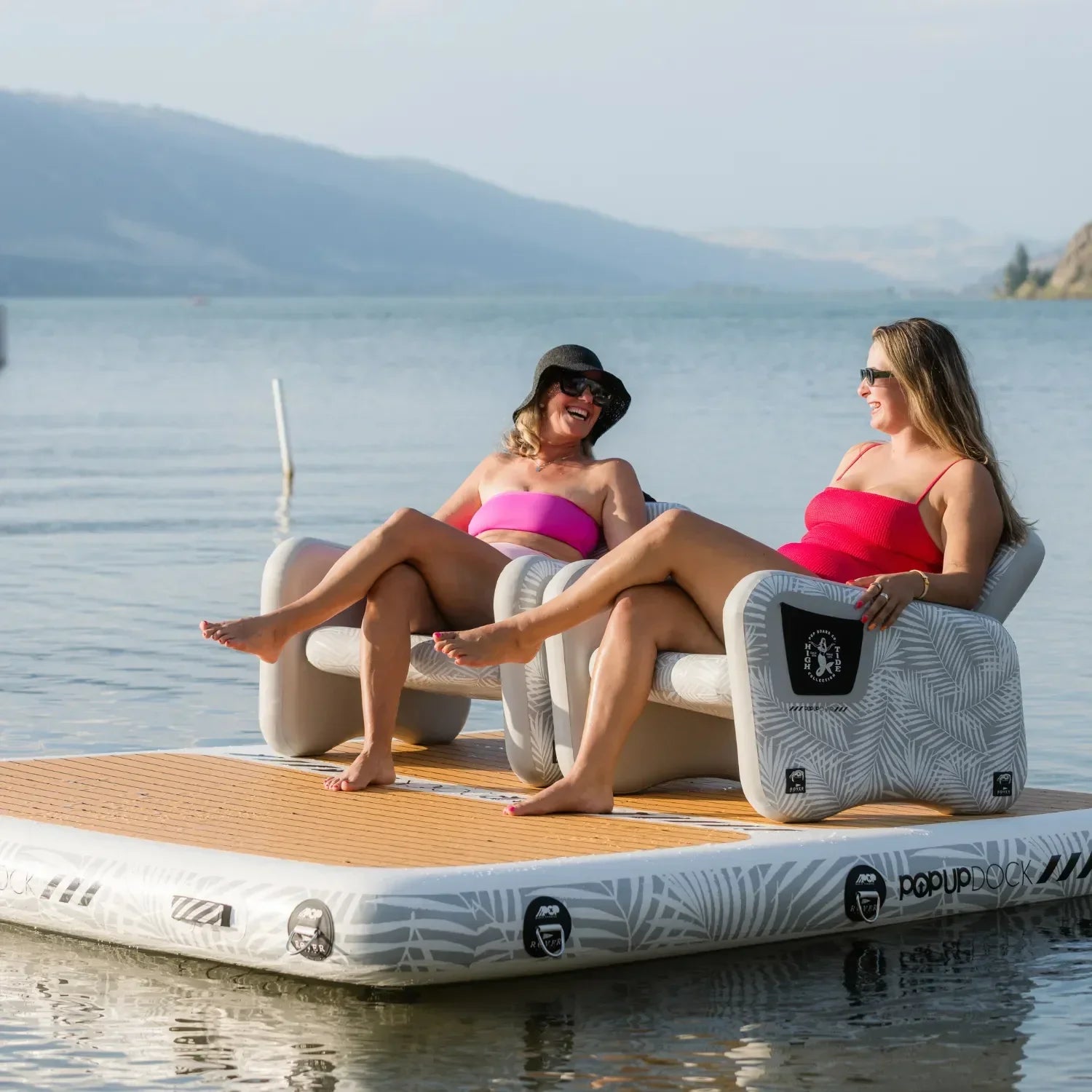
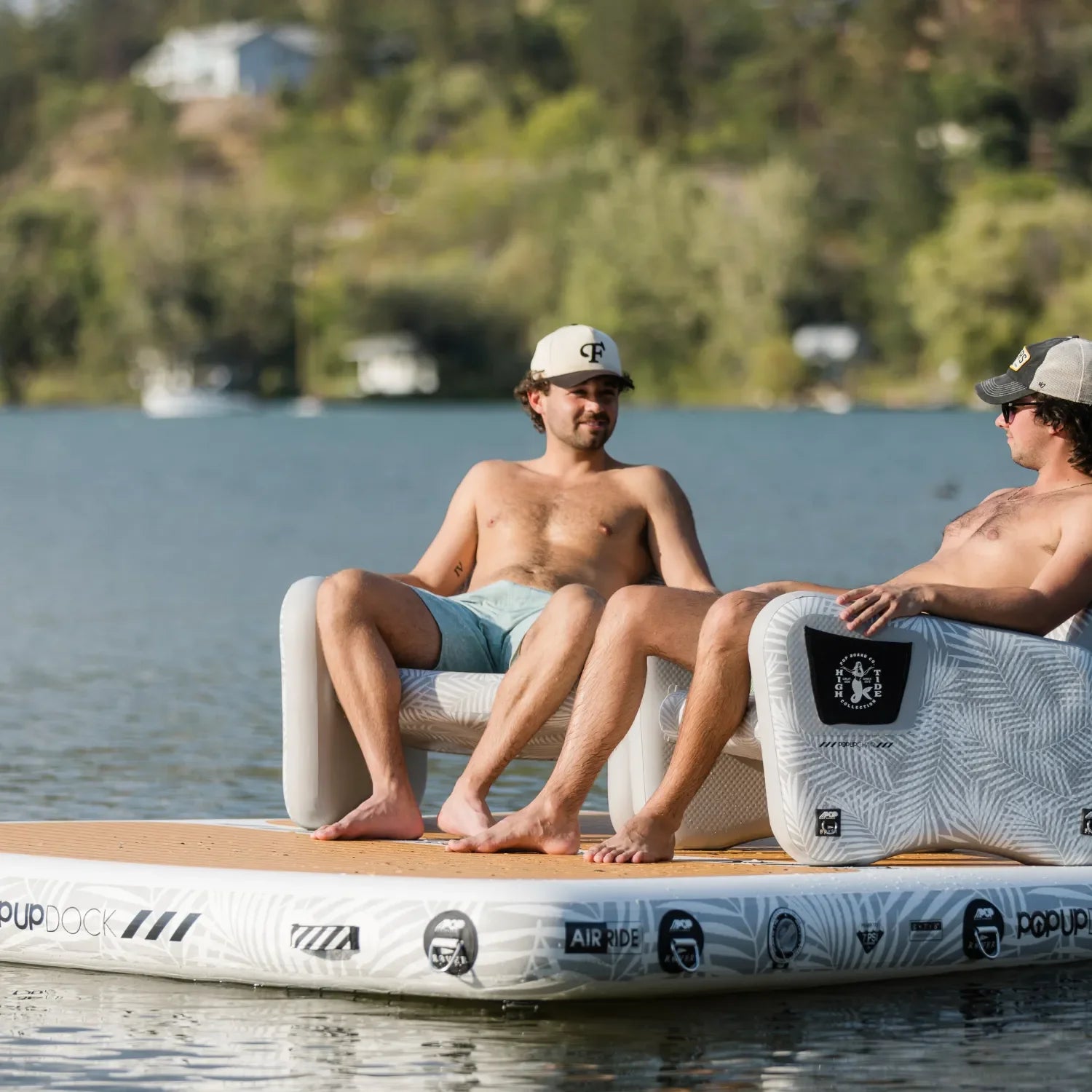
An inflatable dock. Packs into a bag, one person can move and install it, no fasteners into the lakebed, and it stores in a bin.
Those are genuinely different products for genuinely different problems, and price is the least interesting difference between them.
The four situations where an inflatable wins outright

You cannot get, or do not want, permits.
Anything anchored into a lakebed can attract regulatory attention depending on where you are and what water body you are on. A dock that floats and is removed each season sidesteps that category of problem, and for a lot of properties this alone is the deciding factor.
You do not own the waterfront.
Renters, cottage leaseholders, people on Crown-adjacent or shared access, families who use a lake club or a friend's property. You cannot build on land you do not control. You can bring a bag.
You need it in more than one place.
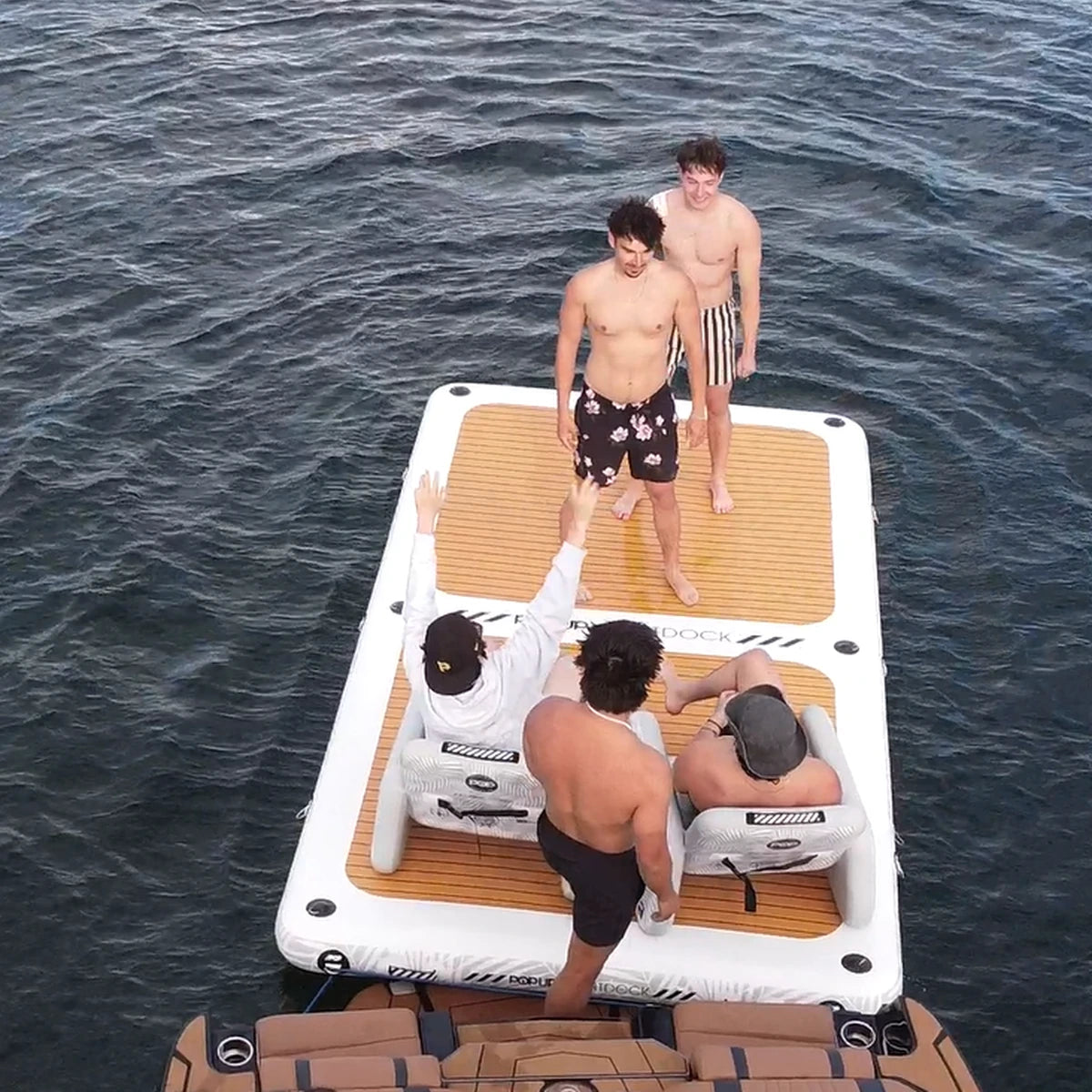
Behind a boat, at a beach, at a rented cottage, at a different lake next month. This is where an inflatable is doing something no fixed structure can do at any price. Our YachtDock exists specifically for boat-side use.
Storage space is limited.
A hard dock overwinters as a stack of sections that eat a garage. An inflatable overwinters in a bin. If you have a small property, a shared boathouse, or a place you cannot leave things at, this matters more than any other factor.
Who should buy something else
You want to drive on it, or park heavy equipment. Not the format. Capacity ratings on inflatables are for people and gear, and they assume static, distributed load in calm conditions. We went through what those ratings actually mean in how much weight an inflatable dock can hold.
You need a permanent walkway to deep water. An inflatable is a platform. It is not a two hundred foot approach out to a boat lift. Different job.
You want zero seasonal work, forever. An inflatable comes out every fall and goes back every spring. That is an hour each way plus drying time, and if you genuinely will not do it, do not buy one, because a neglected inflatable does not survive a Canadian winter. Our winterization guide is honest about the work involved.
You have a rocky, high-traffic shoreline and no anchoring options. Inflatables need to be anchored properly and they do not love being dragged across sharp rock. Solvable with a bit of thought, but worth knowing before rather than after.
At correct pressure, a drop-stitch dock should feel rigid enough for its intended use. It is still a floating platform that moves with the water, not a permanent structure.
The honest downsides nobody lists
It needs pressure attention. Inflatables lose pressure as temperatures drop and gain it in the sun. That means checking with a gauge occasionally rather than setting it in June and forgetting. Not difficult, but it is a thing you now do. See why inflatables lose pressure in the cold.
It can be punctured. Rare in practice given the construction, but it is a real category of failure that a wooden dock does not have. Repair kits handle small damage well.
Storage discipline matters. Moisture, pests, compression and temperatures outside the product guidance can all create avoidable damage.
Anchoring is on you. A fixed dock is fixed. An inflatable is as secure as your anchor setup, and fall wind punishes lazy anchoring.
The value question, properly framed

The comparison people make is inflatable versus hard dock on purchase price. That is the wrong comparison, because it ignores three things.
Installation. A permanent dock involves permits, possibly a contractor, and a project. An inflatable involves a pump.
Seasonal cost. Hard docks often mean hiring help or owning equipment to get them in and out. An inflatable is one person and an hour.
Optionality. If you move, if you switch lakes, if you sell the property, a bag comes with you and a crib does not.
Set against that, an inflatable's real cost is the seasonal care. If you will do it, the maths is favourable for most waterfront situations. If you will not, buy something you can neglect.
Service life is the question underneath value
There is no responsible promise that every dock will last a specific number of years. Construction, inflation practice, UV exposure, abrasion, anchoring, cleaning, repairs and winter storage all affect service life.
Canadian Board Co. currently lists three years of coverage against eligible manufacturer defects for inflatable docks. Warranty length defines coverage; it is not a lifespan prediction. Judge value by how often the platform will be used, whether the setup work fits the property, and whether you can store it correctly.
If you decide it is right for you
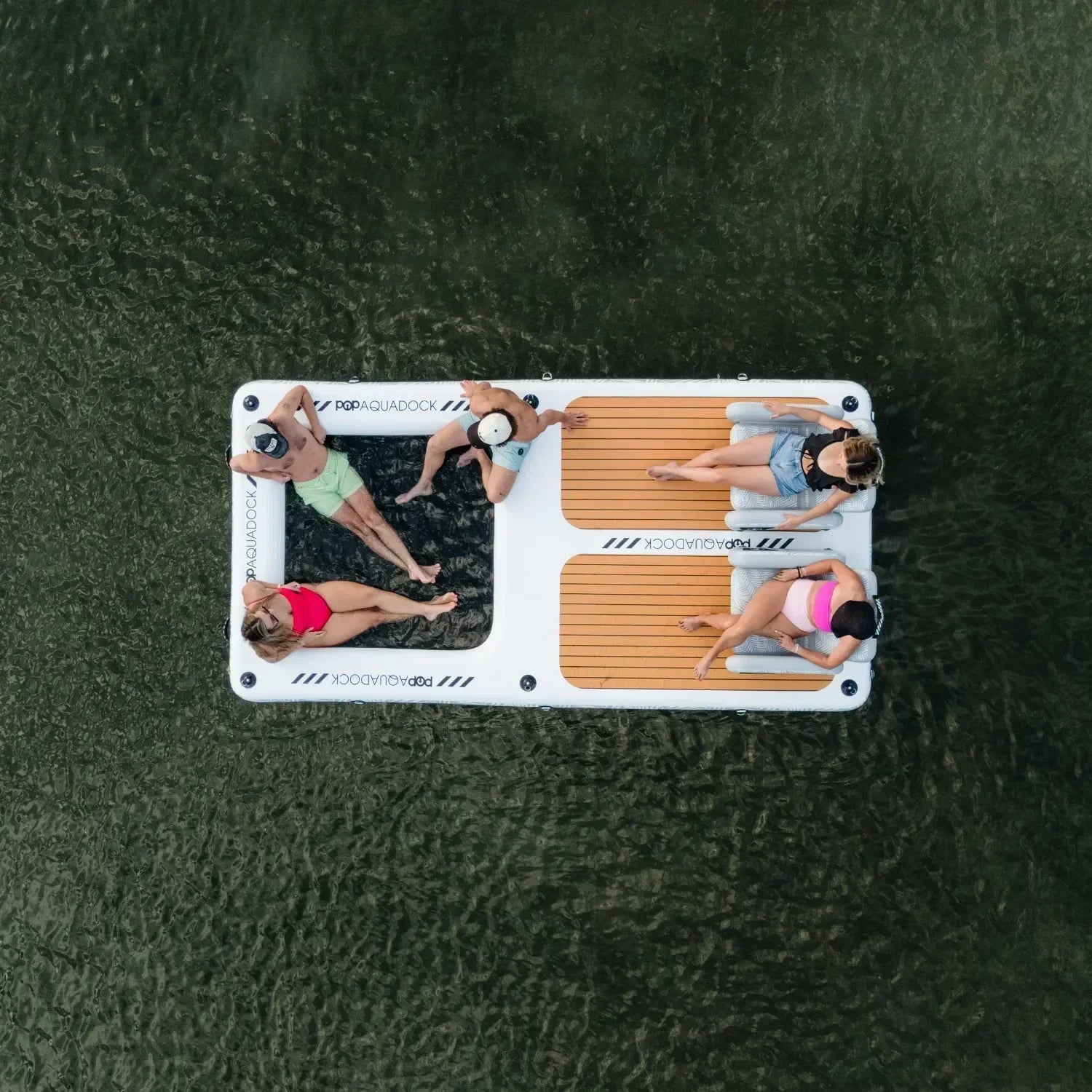
The inflatable dock range runs from an 8 foot compact platform up to 14 foot models built for boat-side use and larger groups. The model comparison works through which is which.
If you would rather just describe your waterfront to somebody and be told which one makes sense, call the shop at 1-800-399-5260, Monday to Friday, 8 to 5 Pacific. We would rather tell you it is not the right product for your situation than sell you the wrong one and deal with it in May.
Frequently Asked Questions
Are inflatable docks worth the money?
For waterfront where permits are difficult, where you do not own the shoreline, where you need it in more than one place, or where storage space is limited, yes. For a permanent walkway to deep water or a surface that needs to carry heavy equipment, no.
How long do inflatable docks last?
There is no universal number of seasons. Construction, use, UV exposure, pressure, abrasion, repairs and storage all matter.
Are inflatable docks stable to stand on?
At the specified pressure, drop-stitch construction creates a rigid platform. Underinflation reduces that rigidity and stability.
Do you need a permit for an inflatable dock in Canada?
Requirements depend on the water body and jurisdiction, but a seasonal floating platform that is not anchored into the lakebed generally sits in a different category from permanent construction. Check locally, since rules vary by province and by water body.
Can you leave an inflatable dock in the water all season?
Yes. It comes out before there is any risk of ice, not on a calendar date, and it needs proper anchoring for fall wind if you leave it in late.
What is the downside of an inflatable dock?
It needs occasional pressure checks, it must be removed and stored properly each winter, it can be punctured, and it is only as secure as its anchoring. None of those is difficult, but they are real ongoing responsibilities that a fixed dock does not have.
What ongoing work should I expect?
Plan for inflation, anchoring checks, weather removal, rinsing, complete drying and suitable winter storage.
Related Canadian Board Co. guides and gear
Choose the platform that fits the real setup
Compare current dock dimensions, capacities and deck formats, or call 1-800-399-5260 for help.
Compare inflatable docks

Leave a comment
All comments are moderated before being published.
This site is protected by hCaptcha and the hCaptcha Privacy Policy and Terms of Service apply.