

The short answer: the best inflatable boat customizations improve comfort, safety, storage, or control without defeating the boat's portable design. Start with a compatible motor, secure seating, organized soft storage, proper safety gear, and removable fishing accessories. Avoid drilling, sharp hardware, overloaded transoms, and accessories that interfere with valves, seams, or boarding.
A smart setup is built around how you actually use the boat. A cottage tender needs a different layout from a fishing skiff, a family cruiser, or a compact boat stored aboard a yacht. Before buying accessories, confirm the model, size, capacity, transom limits, and package contents on the live product page.

Plan the layout from above so passengers, gear, valves, seams, and boarding paths remain clear.
1. Choose a Compatible Motor
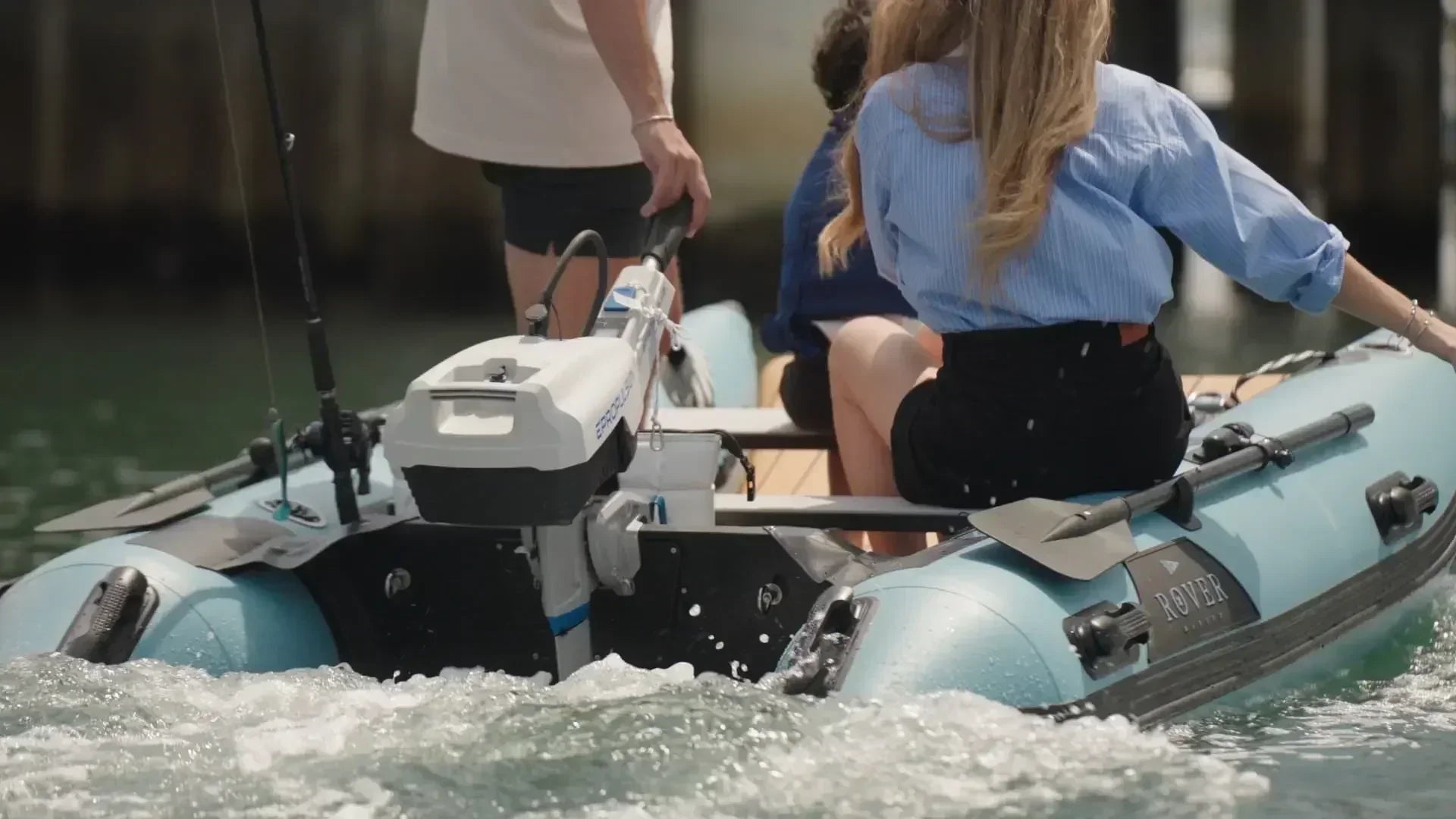
An outboard changes how the boat handles and how much weight sits at the transom. Both gas and electric options may be suitable, but the correct choice depends on the exact boat size and the limits shown on the product plate. Browse electric outboard motors, then compare shaft length, motor weight, battery placement, recommended power, and expected range.
Do not guess at horsepower. Check the current boat page and physical capacity plate before mounting a motor. In Canada, operators of power-driven pleasure craft need proof of competency, with the Pleasure Craft Operator Card being the most common. Review current Transport Canada boating safety information.
2. Improve Seating Without Blocking the Boat
Supportive seating can make long cottage runs or fishing sessions more comfortable. Keep seats low, light, and secured to appropriate attachment points. The Inflatable POP Up Chair Set packs down and can also move to a compatible floating dock setup.
3. Build a Removable Fishing Layout
Keep the casting zone clear
Place tackle, a compact anchor, and a soft cooler where they will not create a trip hazard or block the oars.
Use inflatable-safe mounts
Choose strap-on, clamp-on, or manufacturer-approved adhesive accessories. Avoid sharp fasteners and unapproved drilling.
Secure every loose item
Rod leashes, dry bags, and short tie-downs reduce clutter and help prevent gear loss when conditions change.
Count the full load
Passengers, battery, motor, anchor, cooler, tackle, and fish all count toward the boat's capacity.
The Rover Marine Battle Boat provides a traditional dinghy layout. The Battle Cat is the better starting point when a wider stability-first deck matters.

Removable gear keeps a portable boat adaptable for fishing, tender runs, and family outings.
4. Organize Storage by Access Priority
Immediate access
Keep the required safety equipment, bailer or pump, line, and communication device easy to reach.
Dry storage
Use soft waterproof bags for phones, layers, first aid, and food. Secure bags so they cannot slide or blow overboard.
Heavy items
Keep batteries, anchors, and coolers low and balanced. Follow the boat maker's guidance for weight distribution.
Quick turnaround
Use labelled bags or bins so the same safe layout is easy to repeat each time you launch.
5. Add a Floating Basecamp
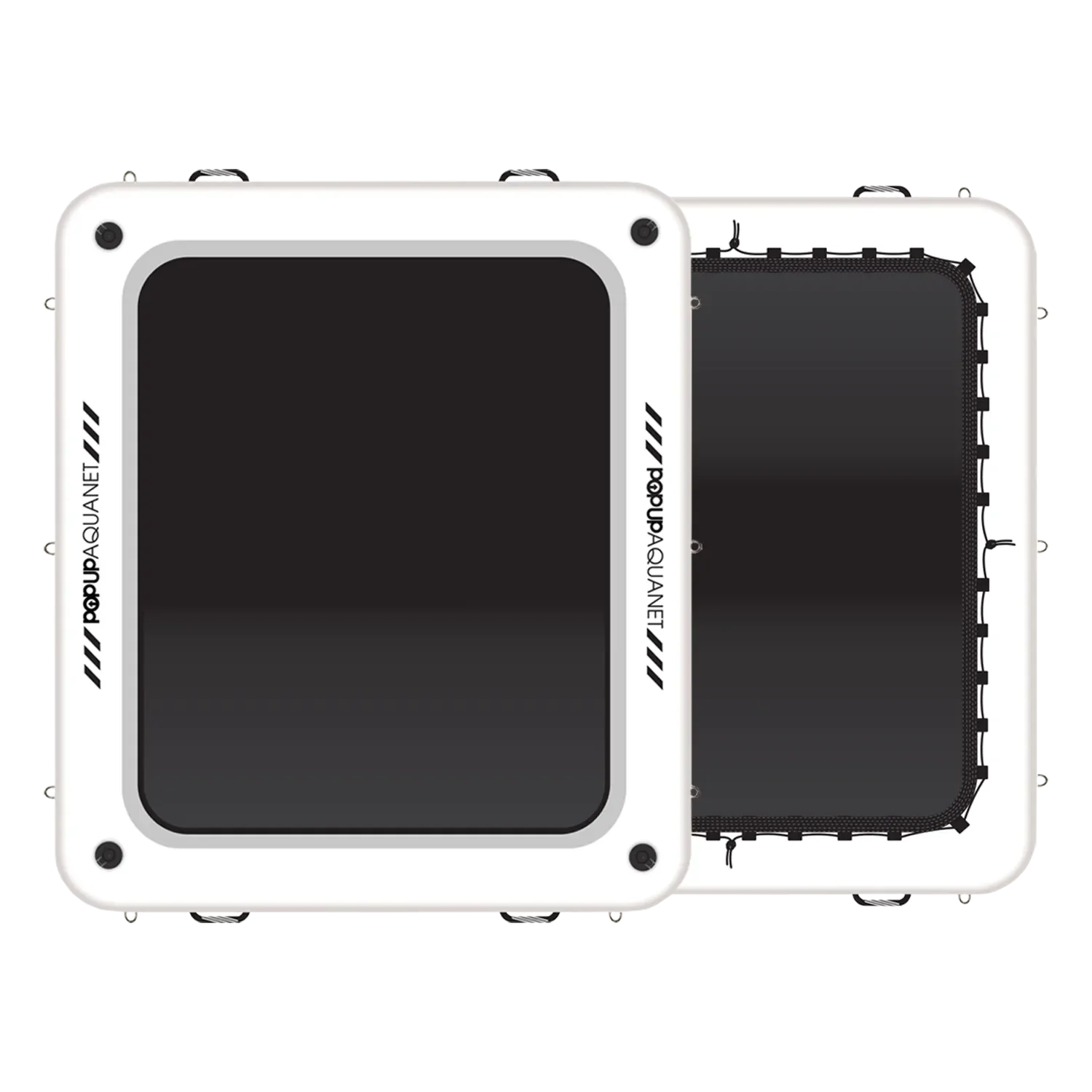
A portable dock can become a place to stage gear, board passengers, or keep wet activity outside the boat. Choose the compact 8-foot POPUP Dock for smaller setups, the AquaDock for swimming and a centre wet zone, or the YachtDock for a full dry deck.
6. Add Safety Before Convenience
Start with properly fitted Canadian-approved lifejackets or PFDs, required sound-signalling and emergency equipment, an appropriate anchor and line, sun protection, and a weather check. Browse the water safety collection and confirm legal requirements for the boat, motor, location, and trip.
Customizations to Avoid
- Sharp metal parts rubbing against tubes or floors
- Drilling or permanent modifications not approved by the manufacturer
- Blocking inflation valves, seams, drain points, oar locks, or boarding areas
- Mounting a motor that exceeds the live specifications or capacity plate
- Carrying gear without accounting for the total load and balance
- Running loose electrical cables where passengers can trip or water can pool
The Bottom Line
Customize for the trip, not for the longest accessory list. A correctly matched motor, a comfortable seat, organized soft storage, and removable fishing gear will improve most inflatable boats while preserving portability. Call 1-800-399-5260 if you want help matching accessories to a Rover Marine model and size.
Shop boating accessories Compare inflatable boats
Frequently Asked Questions
Can I drill into an inflatable boat?
Do not drill or make permanent changes unless the manufacturer specifically approves the method and location.
Can I add an electric outboard?
Often yes, but match the motor to the exact boat size, transom, shaft requirement, capacity plate, and live specifications.
What seating works best?
Choose low, lightweight seating that can be secured without blocking movement, controls, valves, or emergency equipment.
How should I store fishing gear?
Use soft bags, secured tackle storage, rod leashes, and removable mounts so sharp gear stays away from inflatable surfaces.
Does extra gear affect capacity?
Yes. Count people, motor, battery, fuel, anchor, cooler, fishing gear, and all other equipment in the total load.
Will a customization affect warranty coverage?
It can. Review the product instructions and warranty details before making permanent or adhesive modifications.

Leave a comment
All comments are moderated before being published.
This site is protected by hCaptcha and the hCaptcha Privacy Policy and Terms of Service apply.