
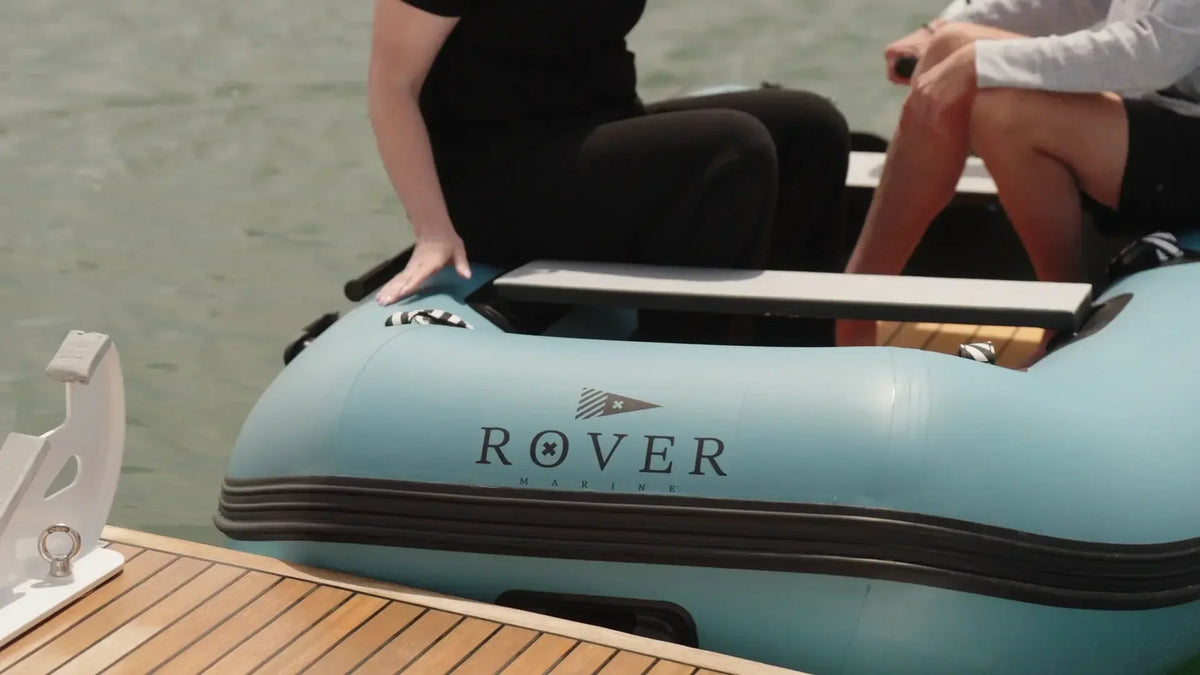
The short answer: winterize an inflatable boat by cleaning it, rinsing away salt and grit, drying it fully, inspecting seams and valves, repairing small issues, deflating carefully, storing it off the floor, protecting it from rodents, and removing the motor and battery for separate care. In Canada, moisture control is the most important winter storage habit.
Winterizing is different from putting the boat away for a weekend. Canadian winters bring freeze-thaw cycles, damp storage spaces, rodents, condensation, and long periods where small problems can turn into spring repairs. A proper winter routine protects the tubes, floor, valves, transom, accessories, motor, and safety gear.
This 2026 update removes broad warranty claims and focuses on practical care for inflatable boats like the Rover Marine Battle Boat and Rover Marine Battle Cat. Always follow the live product page and any manufacturer instructions for your exact boat and motor.

Winterizing starts before the first hard freeze. Clean, dry, inspect, and store before damp weather takes over.
Winterizing checklist
Remove loose gear
Take out seats, oars, pump, dry bags, anchor line, cooler, battery, fuel tank, fishing gear, and safety items before cleaning.
Wash and rinse
Use fresh water and mild soap. Rinse salt, sand, algae, sunscreen, fish residue, and grit from tubes, floor, seams, and hardware.
Dry completely
Let the boat dry open before deflating. Check under seams, around valves, under floor contact points, and inside folds.
Inspect and repair
Look for leaks, loose valve caps, seam wear, transom issues, abrasion, and missing accessories. Handle small repairs before storage.
Deflate with care
Release air gradually and roll without hard creasing. Do not force cold material into tight folds.
Store dry and protected
Keep the boat in a dry indoor space when possible. Lift it off the floor and protect it from rodents, sharp tools, and chemicals.
Why drying matters so much
The biggest winter mistake is storing a boat damp. Water trapped in folds can create mildew, odour, staining, and freeze-thaw stress. Even if the outside looks dry, check seams, floor edges, valve areas, and the bottom of the boat. If the storage bag gets wet, dry the bag too.
Do not rush the dry time
A boat that is 95 percent dry can still mildew in a closed bag. Give it enough air time before rolling, especially after late-season rain, saltwater use, or cold-weather rinsing.
Motor and battery winter care
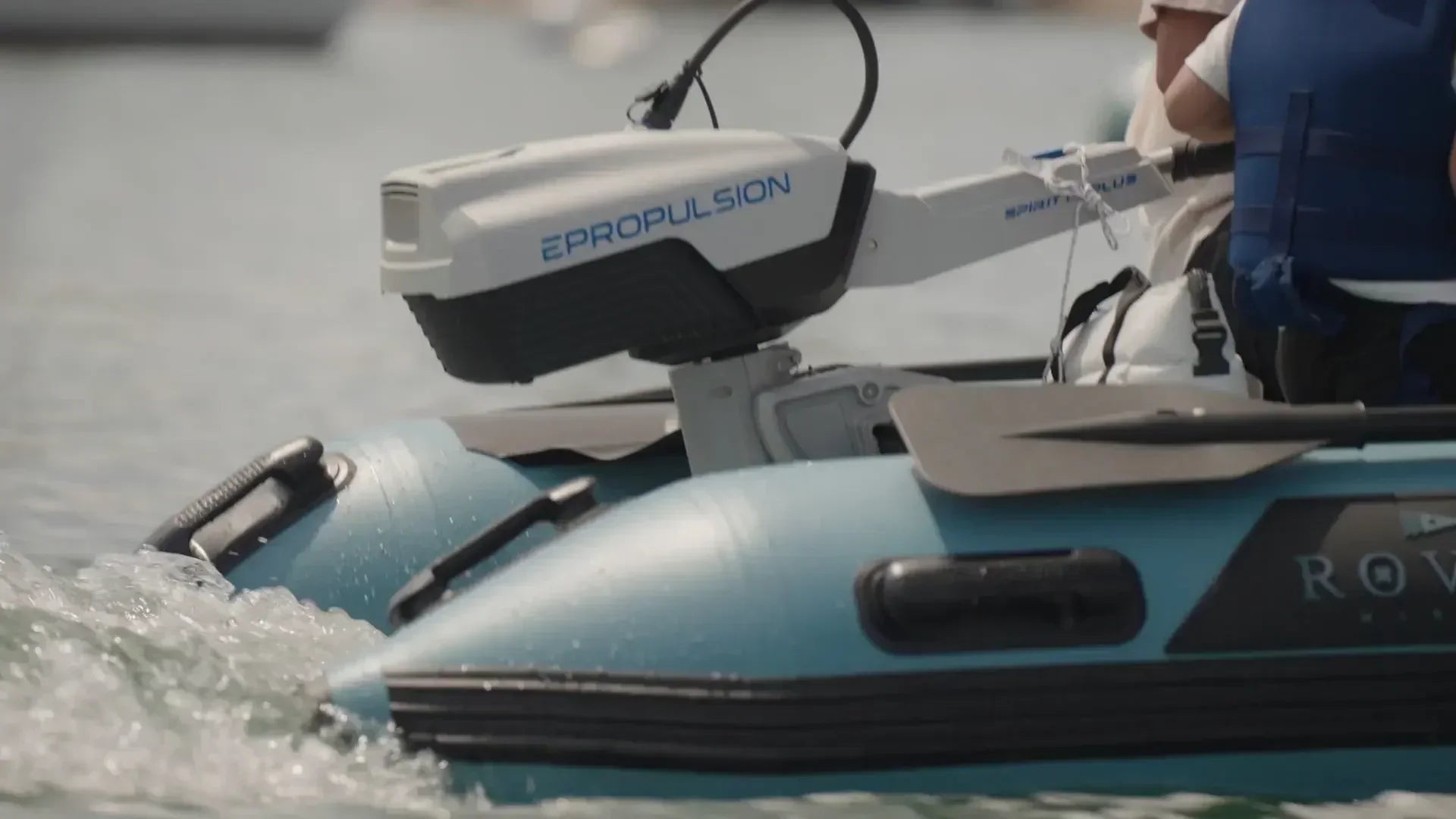
Remove motors, fuel tanks, and batteries before storing the boat. Electric outboards and batteries should be stored according to the motor and battery manufacturer’s instructions. Do not leave batteries sitting in a wet boat bag or freezing shed without checking the manual.
Browse CBC electric outboard motors here: https://www.canadianboardco.com/collections/electric-outboard-motors.

A clean end-of-season inspection makes the first spring launch much easier.
Where to store the boat for winter
Heated or insulated storage
A garage, basement, utility room, or secure storage space keeps the boat away from snow load, damp floors, and UV exposure.
Dry shed or boathouse
This can work if the space stays dry, pest controlled, and the bag is lifted away from standing water or concrete.
Wet tarps and snow load
Tarps can trap condensation and rub in wind. Snow load can crush gear and create hard pressure points.
Mid-winter inspection
If the boat is in a shed or boathouse, check once mid-winter for rodents, moisture, fallen items, and bag damage.
Spring restart after winter storage
Before your first trip, inflate the boat slowly and check pressure, valves, seams, floor, transom, and accessories. Do a leak check before loading people and gear. Confirm your safety equipment is complete and review Transport Canada’s safe boating reminders, including weather, local hazards, safety gear, and trip planning.
Helpful external reference: Transport Canada maintaining a safe pleasure craft.
Customer feedback: practical ownership matters
For inflatable boats, useful customer feedback usually comes down to portability, easy setup, stable footing, and whether the boat fits the owner’s actual storage space. Those are the details that make a boat easy to use more than once.
“Stable on the water.”
A steady inflatable boat makes fishing, tender runs, and family cruising feel more controlled in calm, protected conditions.
“Easy to store.”
Portability is one of the biggest reasons people choose a Battle Boat or Battle Cat instead of a trailer boat.
“Great setup for the cottage.”
The right size boat can handle short runs, fishing gear, shoreline exploring, and light family cruising without needing a permanent slip.
Read more Canadian Board Co. customer reviews here: https://www.canadianboardco.com/pages/reviews.
The bottom line
Winterizing an inflatable boat is not complicated, but the details matter. Clean it, dry it, inspect it, deflate it carefully, protect it from pests and chemicals, and store it somewhere dry. Your spring launch will be easier, and your boat will be better protected.
Shop Battle Boat here: https://www.canadianboardco.com/products/rover-marine-battle-boat-inflatable-boat.
Shop Battle Cat here: https://www.canadianboardco.com/products/rover-marine-battle-cat-inflatable-catamaran.
Browse boating accessories here: https://www.canadianboardco.com/collections/boating-accessories.
Warranty details are here: https://www.canadianboardco.com/pages/3-year-warranty.
Call 1-800-399-5260 if you want help preparing your boat for winter storage.
FAQ
When should I winterize an inflatable boat?
Winterize before freezing conditions, long damp storage, or the end of your boating season. Do not wait until the boat is already wet and cold.
Should I wash an inflatable boat before winter?
Yes. Rinse and wash away salt, sand, lake residue, sunscreen, fuel mist, and fish residue before storing.
Can I store my inflatable boat inflated?
If you have the space, light inflation indoors can reduce hard folds. Keep it away from heat, sun, chemicals, and sharp objects.
Can I store my inflatable boat deflated?
Yes. Many owners deflate and roll for winter. Make sure it is dry and avoid tight creases or heavy items on top.
How do I keep rodents away?
Store the boat off the floor, remove food smells and bait residue, keep the bag clean, and check the storage space during winter.
Should I remove the outboard motor?
Yes. Remove the motor and follow its storage manual. Batteries should be stored separately according to manufacturer instructions.
What should I check in spring?
Inflate slowly, inspect valves, seams, tubes, floor, transom, oars, pump, repair kit, motor, and safety gear before your first outing.
Where can I get accessories for winter prep?
Browse boating accessories here: https://www.canadianboardco.com/collections/boating-accessories.


Leave a comment
All comments are moderated before being published.
This site is protected by hCaptcha and the hCaptcha Privacy Policy and Terms of Service apply.