
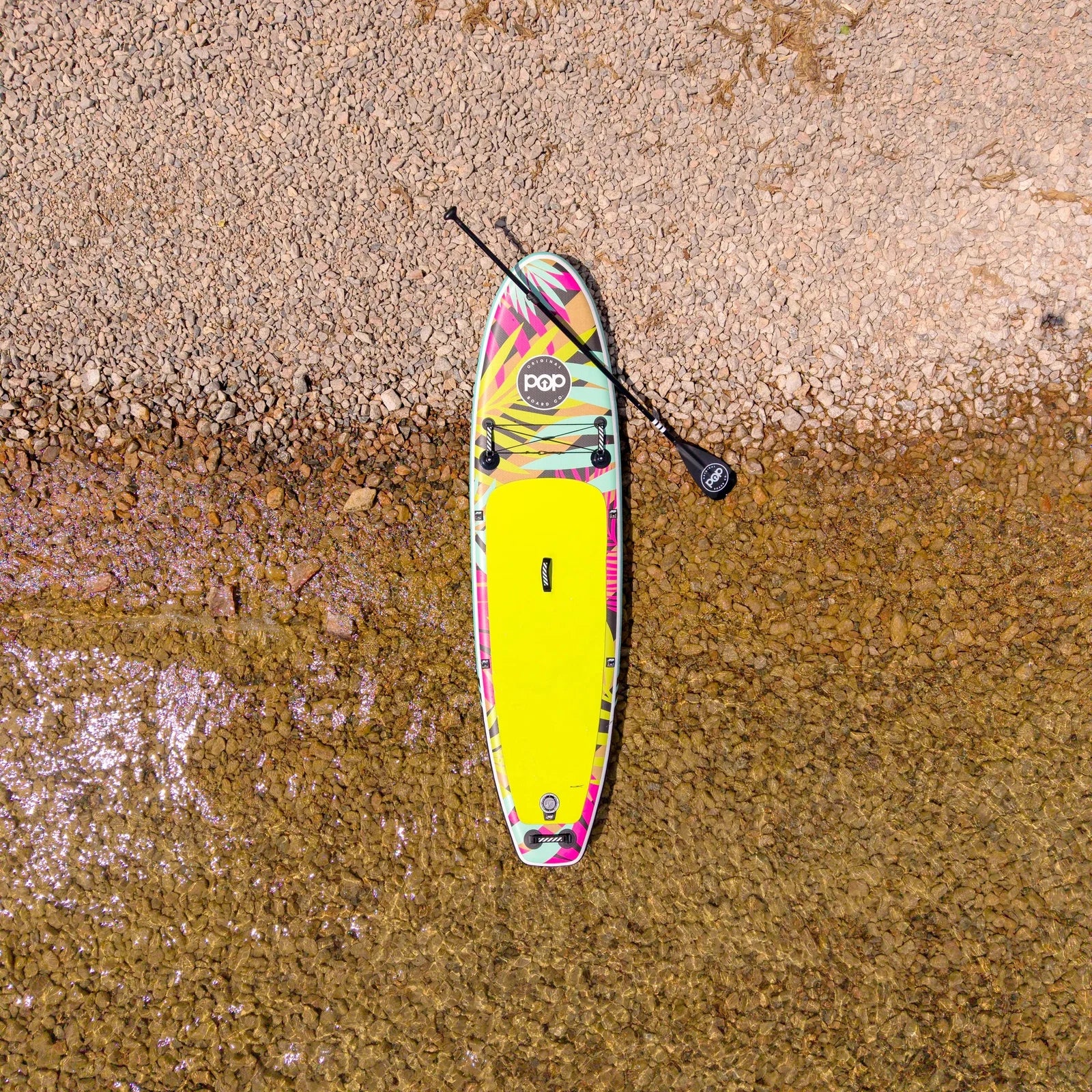

At Canadian Board Co., we know that picking the right inflatable paddle board (iSUP) isn't just about specs—it's about unlocking more fun and confidence on the water. This guide, straight from our family to yours, walks you through what an iSUP is, how construction and dimensions influence stability and speed, and why fin setups and accessories truly matter for handling and safety. We've seen many paddlers get tripped up by specs or choose a board that doesn’t quite match their weight and goals. But don't worry! By focusing on construction, size, and the right accessories, you can fix most performance and durability issues before they even start. Read on to see how drop-stitch and PVC choices affect rigidity, which lengths and widths suit different riders, and which fin systems and pumps make setup and tracking easier. We'll cover the main iSUP types, construction trade-offs, size rules of thumb, essential accessories, durability and warranty signs—and why buying from a Canada-focused seller like us can make all the difference for our unique local waters.

What types of inflatable paddle boards are there — and which one fits you?
The kind of iSUP you choose truly shapes your time on the water. Design, volume distribution and intended use dictate how stable a board feels, how fast it moves, and how much gear it will carry. The common categories are all-around, touring, fishing and yoga boards. Your priority—stability, glide, gear capacity or a flat practice deck—should steer the choice. Below, we'll break each type down so you can confidently match your skill and paddling plans to the perfect board shape and features.
Core characteristics of All-Around, Touring, Fishing and Yoga SUPs
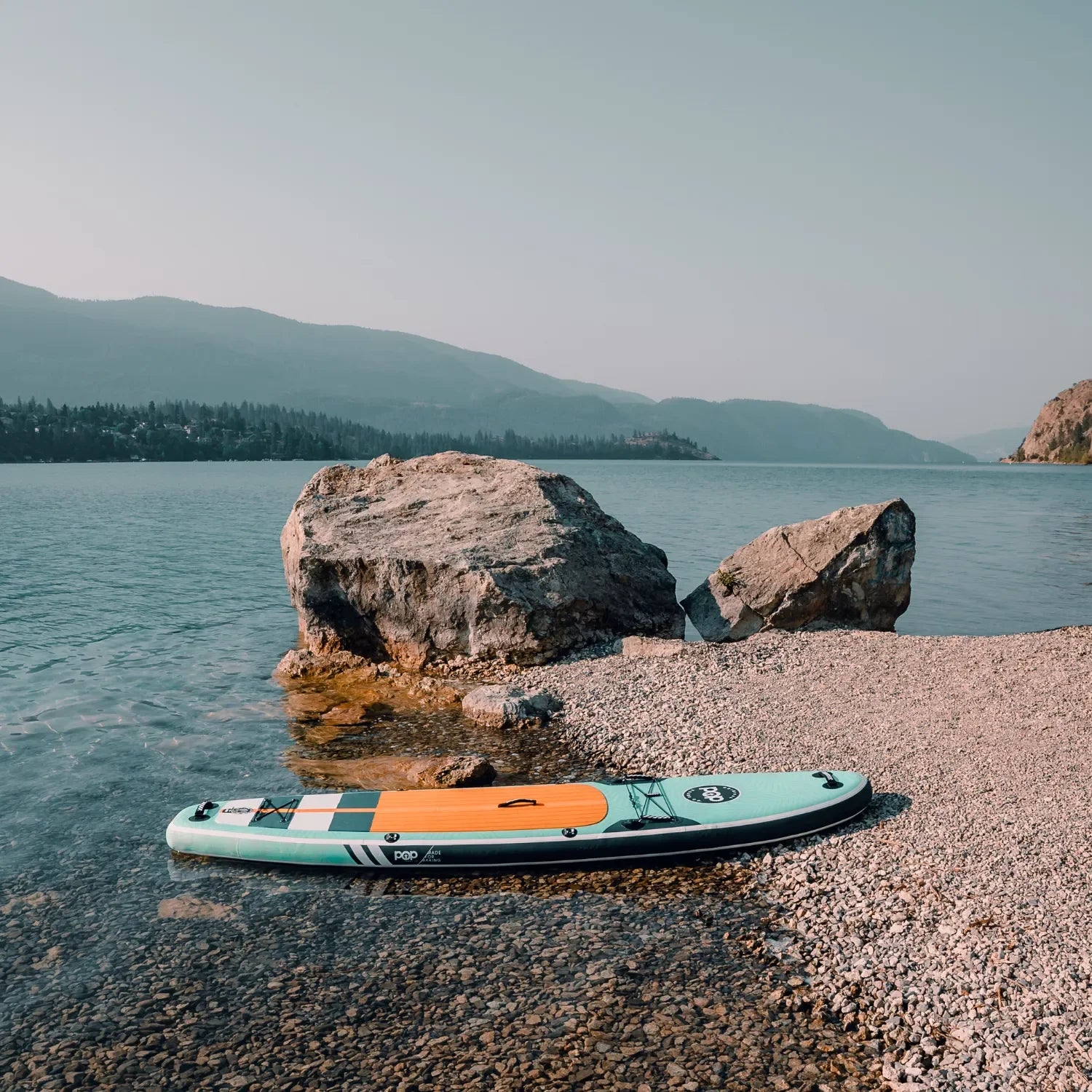
All-around iSUPs are short to mid-length with moderate width, built for stability and everyday use. Touring boards are longer and narrower to improve tracking and glide on day trips and multi-kilometre paddles. Fishing boards prioritise payload and standing stability with reinforced D-rings, mounting points and wider decks for gear and casting. Yoga boards are wide, flat and grippy, often with extra anchor points so you can move through poses with confidence.
- All-around: steady, forgiving and ideal for learning.
- Touring: built for efficient glide and straight tracking.
- Fishing: stable, gear-ready platforms for anglers.
- Yoga: wide, flat and tacky for balance and movement.
Understanding these types makes it easier to choose the board profile that fits your activity and skill level.
How your activity and skill level should shape your board choice
Your main activity and experience are key to determining the sensible trade-offs between stability, speed, and how much gear you can carry. For beginners and families, you'll find the most happiness on wider, shorter all-around boards that truly favour balance and easy recovery. Intermediate paddlers chasing touring performance should lean toward longer boards with higher aspect ratios for fewer strokes and better glide. Specialists—anglers or yoga practitioners—should prioritise reinforced mounting points, wider decks or flat, grippy pads designed for their use.
- Beginner / Family: wide, stable platforms with simple fins.
- Touring / Distance: longer, narrower boards for better tracking.
- Fishing / Yoga: reinforced decks, mounting options and higher volume.
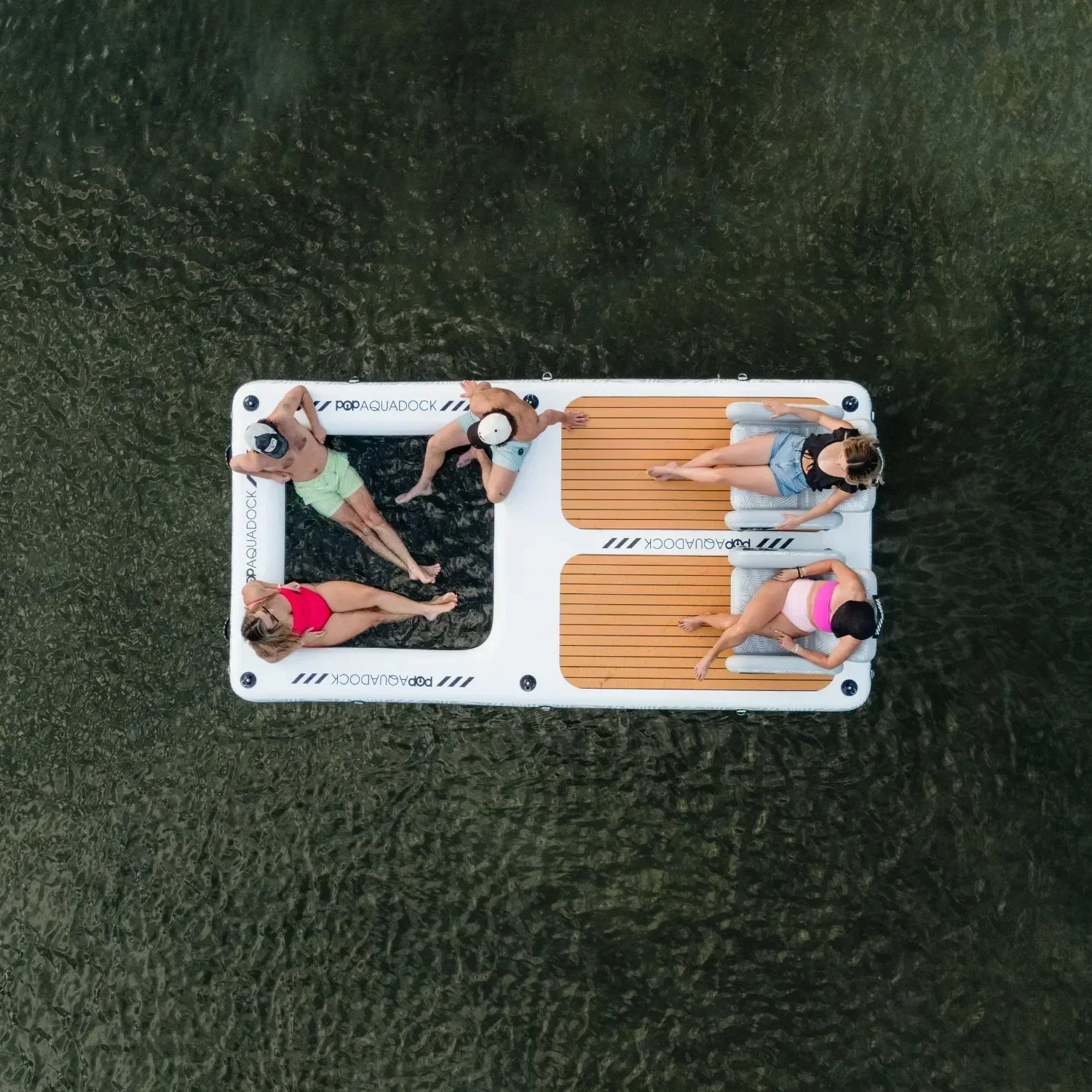
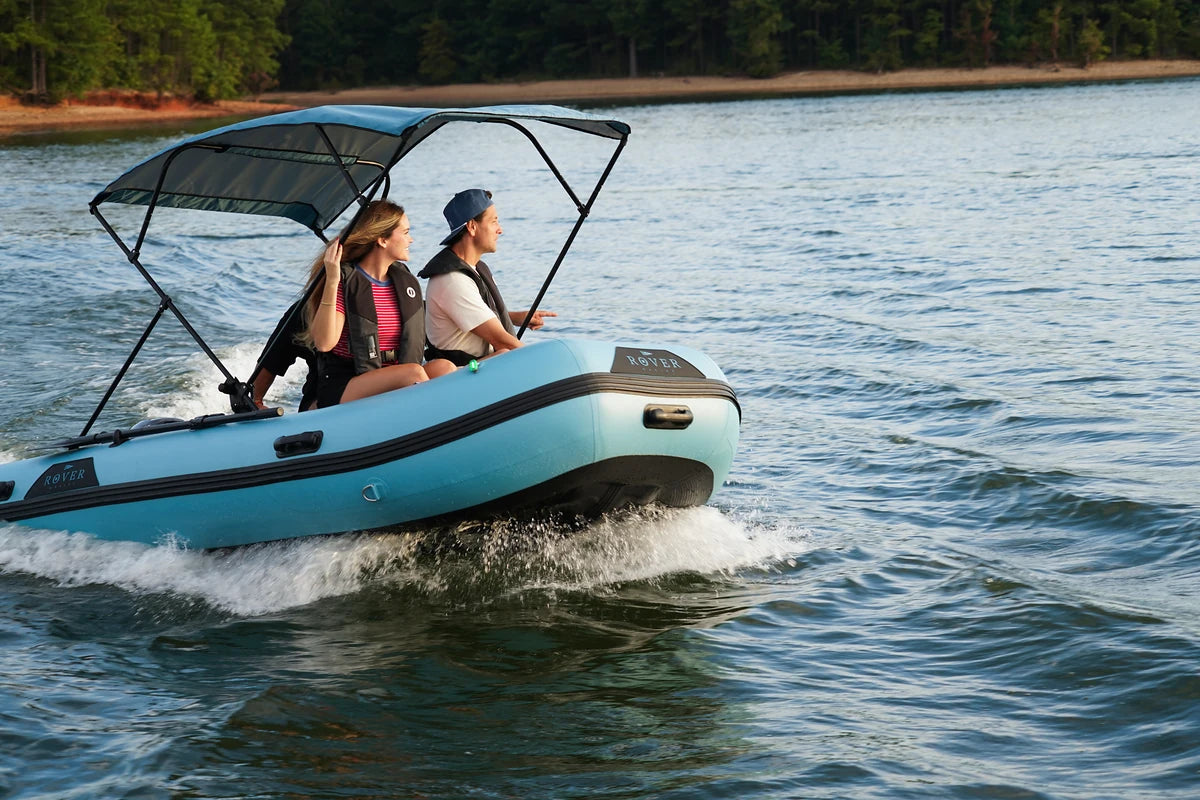
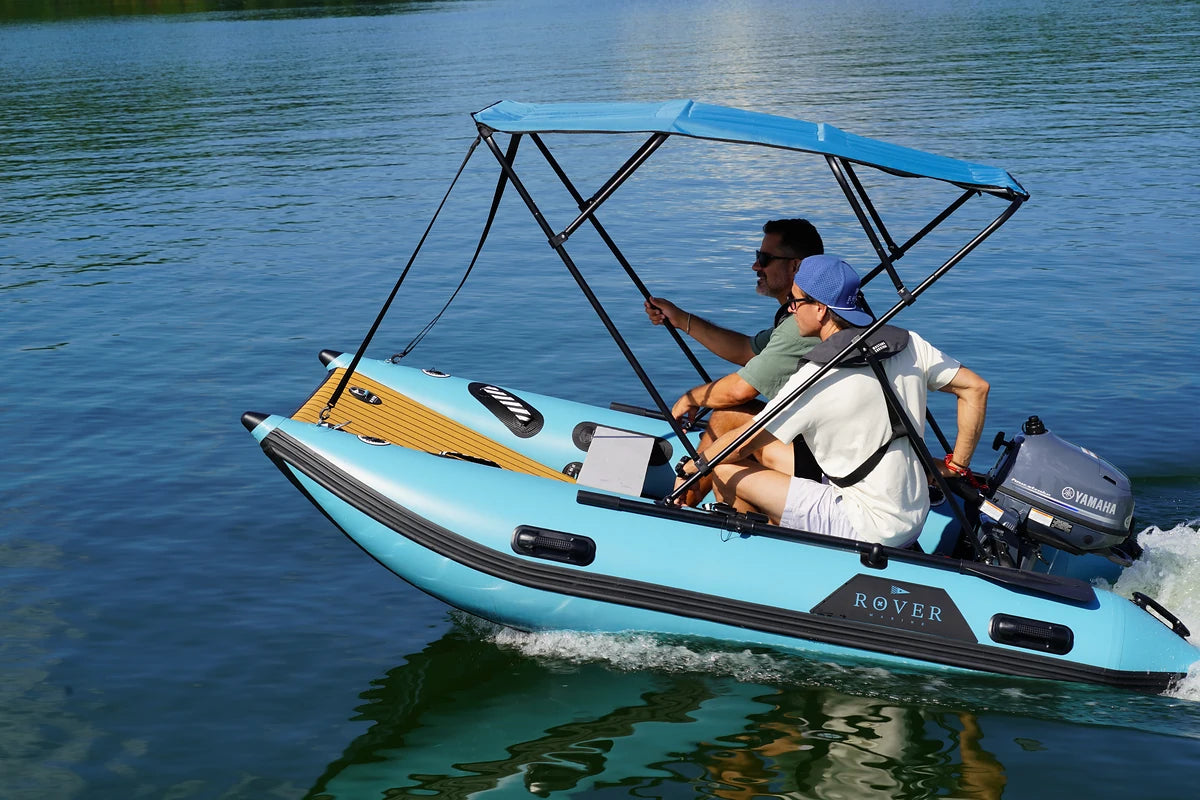
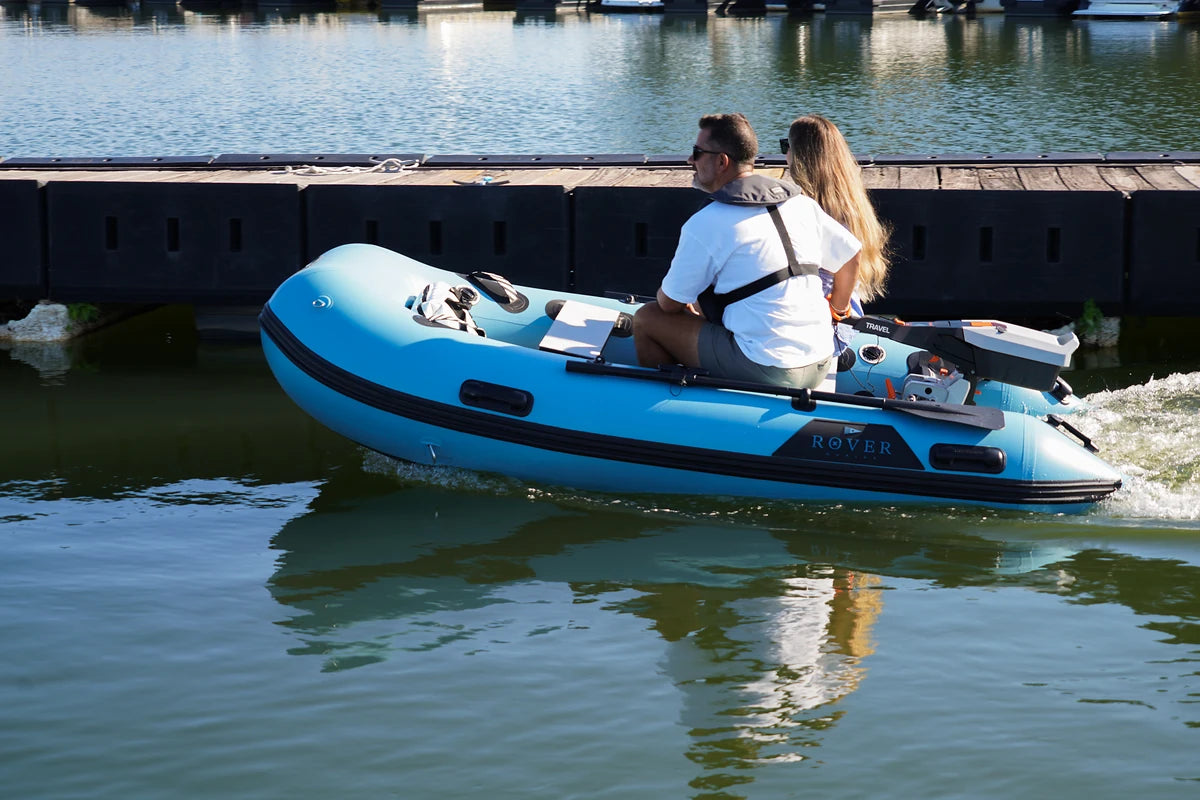
For extra space—think group yoga, lounging, or social sessions—a large inflatable AquaDock offers a stable floating platform that expands your on-water footprint. And if you're looking to take more friends or gear, or just want a different kind of adventure, check out our Rover Marine Battle Cat catamaran or the versatile Battle Boat for a whole new way to enjoy the water.
Next up: the construction details that shape how a board feels and how long it lasts.
How construction affects an inflatable board’s durability and performance
Ever wonder why some iSUPs feel rock-solid underfoot while others seem to sag under load? It all comes down to construction—drop-stitch type, PVC layers and rail reinforcement. Those choices determine stiffness, weight and toughness, which in turn affect performance and longevity. Boards with woven drop-stitch cores and multiple PVC layers hit higher PSI and stiffness for better tracking; knitted cores and fewer PVC layers tend to be lighter but flex more. Understanding these construction details helps you truly predict how a board will behave when inflated, loaded, or used in our often-choppy Canadian waters. Below we cover drop-stitch basics, PVC and rail reinforcement, and offer a quick comparison to clarify the trade-offs.
What is drop-stitch and why it matters for rigidity
Drop-stitch is the internal fabric that binds the top and bottom PVC skins so the board holds high pressure and forms a flat, rigid surface. Woven drop-stitch uses crisscross fibers to cut lateral flex and support higher PSI; knitted or lower-density cores are more flexible and rely on thicker PVC to make up for it. Stiffer boards track better and waste less paddling energy—helpful for touring boards and heavier riders. Knowing about PSI targets and core construction helps you pick a board that's truly suited to how *you'll* use it and how much weight *you'll* carry.
Independent testing often shows woven cores keep shape under load and recover faster after impacts, which reduces sag on long trips and boosts confidence in mixed conditions. That brings us to PVC layers and rail reinforcement.
Introductory table: a quick comparison of common construction approaches and what they deliver in practice.
| Construction Type | Characteristic | Typical Performance |
|---|---|---|
| Woven Drop-Stitch | High fibre density core | Higher rigidity and improved tracking |
| Knitted Drop-Stitch | Lower fibre density core | More flex, lighter packed size |
| Fusion Lamination | Bonded PVC layers | Lower weight and reduced delamination risk |
In short: woven drop-stitch with solid lamination produces the stiffest, longest-lasting boards, while fusion methods shave weight with minimal durability loss when well executed.
How PVC layers and rail reinforcement change board strength
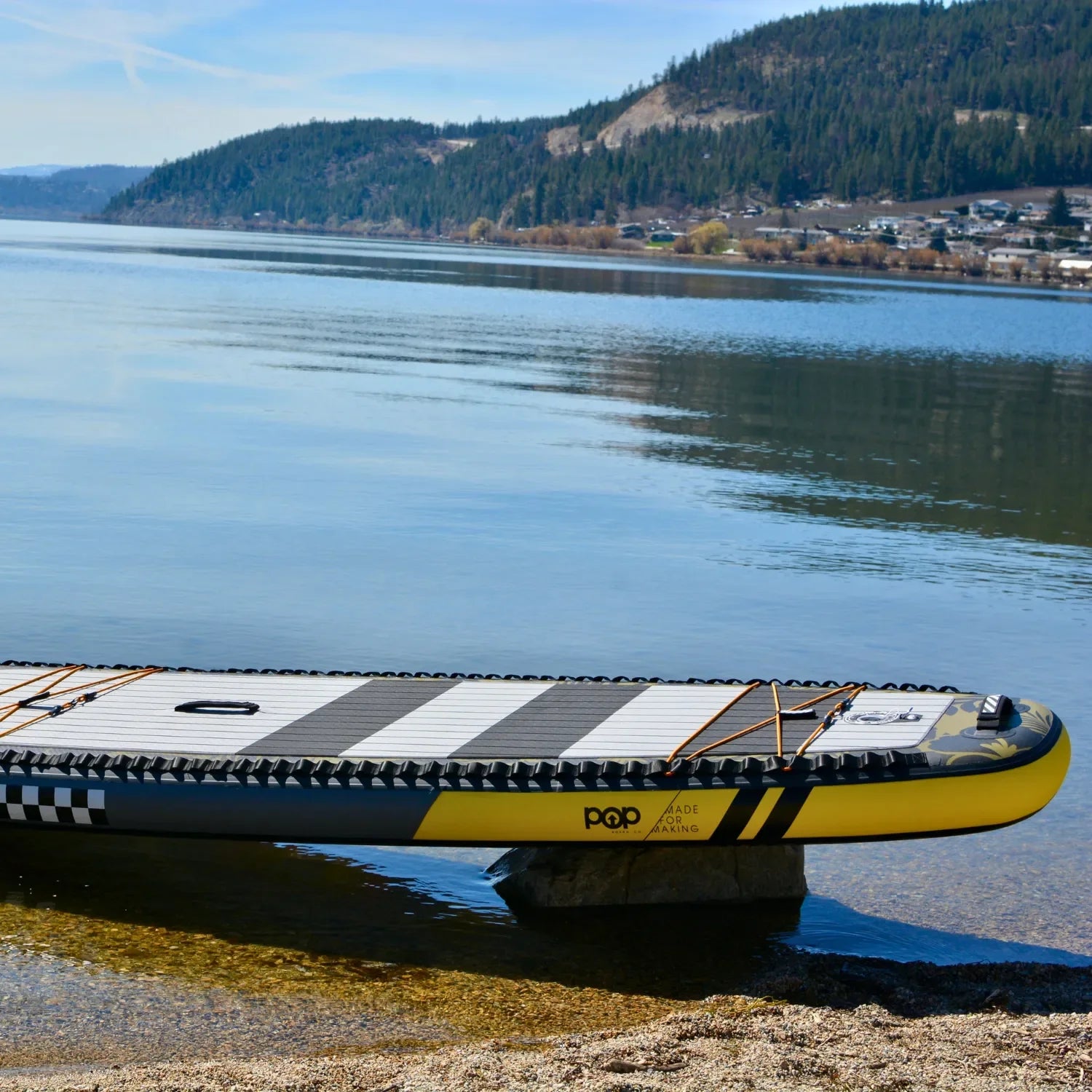
The number of PVC layers and the lamination method affect abrasion, puncture and UV resistance. More and thicker PVC layers increase durability but add weight. Rail reinforcement—extra PVC or structural bands around the edge—protects the highest-wear zones from impacts and scrapes during launches and docking. Fusion lamination bonds layers together and reduces delamination risk compared with simple-glued constructions, improving seam longevity. If you paddle often, perhaps rent out boards, or frequently launch from our beautiful but sometimes rocky Canadian beaches, reinforced rails and multiple PVC layers are absolutely worth the peace of mind.
- Double or triple PVC layers boost abrasion and puncture resistance.
- Heat-welded or fusion seams lower leak risk and reduce maintenance.
- Reinforced rails shield edges and extend board life.
Once you understand construction, the next step is picking the right size, shape and weight capacity for your needs.
How length, width, thickness and volume affect size, shape and weight capacity
Length, width, thickness and volume work together to define stability, speed and payload. Each dimension comes with its own set of trade-offs: longer boards will give you better hull speed and tracking, while wider boards offer increased primary stability but, naturally, add a bit more drag. Thickness adds volume and stiffness—thicker boards float more and resist flex under load, which matters for heavier paddlers or those carrying gear. To help you find *your* perfect match, we've included easy rules of thumb and a practical table so you can confidently align board dimensions with your weight and intended use.
How length, width, thickness and volume influence stability and speed
Length controls speed: longer boards glide farther per stroke but are less nimble. Width controls stability: wider boards feel steadier for beginners or yoga but generate more drag. Thickness and total volume set how much payload the board can carry before sagging—more volume supports extra gear and heavier riders. When comparing specs, look at length, width and listed volume together: a 10'6" x 32" board at 6" thickness suits many all-around riders, while a 12'6" x 30" touring board prioritises efficiency and cargo capacity. For something with a bit more flair and comfort, consider our 11'0" Yacht Hopper, perfect for leisurely paddles.
- Length: longer = faster, better tracking.
- Width: wider = more stable, slightly slower.
- Thickness: thicker = higher payload and stiffer feel.
Keep these dimensional rules in mind to choose a board with the right weight capacity—safer and more efficient paddling follow.
Introductory table: match rider + gear weight to recommended board types and dimensions.
| Board Attribute | What It Controls | Recommendation |
|---|---|---|
| Length | Speed / Tracking | 10'6"–12'6" for touring / all-around |
| Width | Stability | 31"–34" for beginners / fishing |
| Thickness/Volume | Payload / Rigidity | 6"+ thickness for heavier riders or gear |
How to choose the right weight capacity for your iSUP
Start by totalling your bodyweight, clothing, gear, and don't forget any furry friends you plan to bring along! Then pick a board with a rated capacity comfortably above that number. We always recommend a sensible buffer of 10–20% extra capacity to avoid sluggish performance in chop or on those longer trips. For multi-person use or fishing with heavy kit, choose boards rated explicitly for higher payloads and that list volume in litres. The right capacity reduces flex, keeps the waterline where it belongs and improves both safety and paddling efficiency.
- Sum rider + gear + 10–20% contingency to set your target payload.
- Choose a board with rated capacity above that target to maintain performance.
- For heavy loads, prioritise thicker boards with higher volume ratings.
Next we’ll look at fin systems and accessories that complete a board’s performance profile.
Which fin systems and accessories really matter for performance?
The right fin setup and accessories can truly make a dramatic difference in how your board handles and how quickly you get out on the water. Fin configuration lets you fine-tune handling for local conditions and activities, and the fin box type affects how easily you can swap fins or repair them. Essential accessories—paddles, pumps (manual and electric), leashes, PFDs, dry bags and repair kits—add safety, comfort and longevity. Below we explain common fin setups and give a practical accessory comparison to help you decide.
Single, 2+1 and twin fin setups — what’s the difference?
A single centre fin provides the best straight-line tracking and is common on touring and all-around boards for its simplicity and durability. A 2+1 setup pairs a larger centre fin with two small side fins to balance tracking with easier turning—a versatile choice for mixed conditions. Twin fin setups use two side fins and no centre fin to boost manoeuvrability and quick turns, useful for surf or carving, but they reduce straight-line tracking. Think about whether you want long-distance efficiency, versatile mixed-condition performance, or agile surf-style handling, and pick your fins to match.
- Single fin: best for straight tracking and stability.
- 2+1: versatile—keeps tracking while aiding turns.
- Twin fin: nimble and quick-turning for surf performance.
With fin choices settled, the next section lists the accessories you’ll want and why.
Introductory table: a simple accessory comparison to weigh inflation speed, portability and convenience.
| Accessory | Attribute | Value |
|---|---|---|
| Manual Pump | Inflation Time | Slower — lightweight and reliable |
| Electric Pump | Inflation Time | Fast and convenient — needs power |
| Repair Kit | Use Case | Essential for quick on-water fixes |
Which accessories should you bring: paddles, pumps, leashes and safety gear
For us, the right accessories are always about safety and comfort first, not just convenience. Choose an adjustable paddle with a lightweight shaft and a durable blade—carbon shafts are light, aluminium is budget-friendly. Pick a manual pump for portability or an electric pump to speed up setup—the electric option is great for rentals or multi-board trips. Always carry a leash, a legally required PFD where applicable, a repair kit and a waterproof dry bag for essentials.
- Paddle: choose based on adjustability and shaft material.
- Pump: manual for portability; electric for quick inflation.
- Safety: leash, PFD and repair kit should never be left behind.
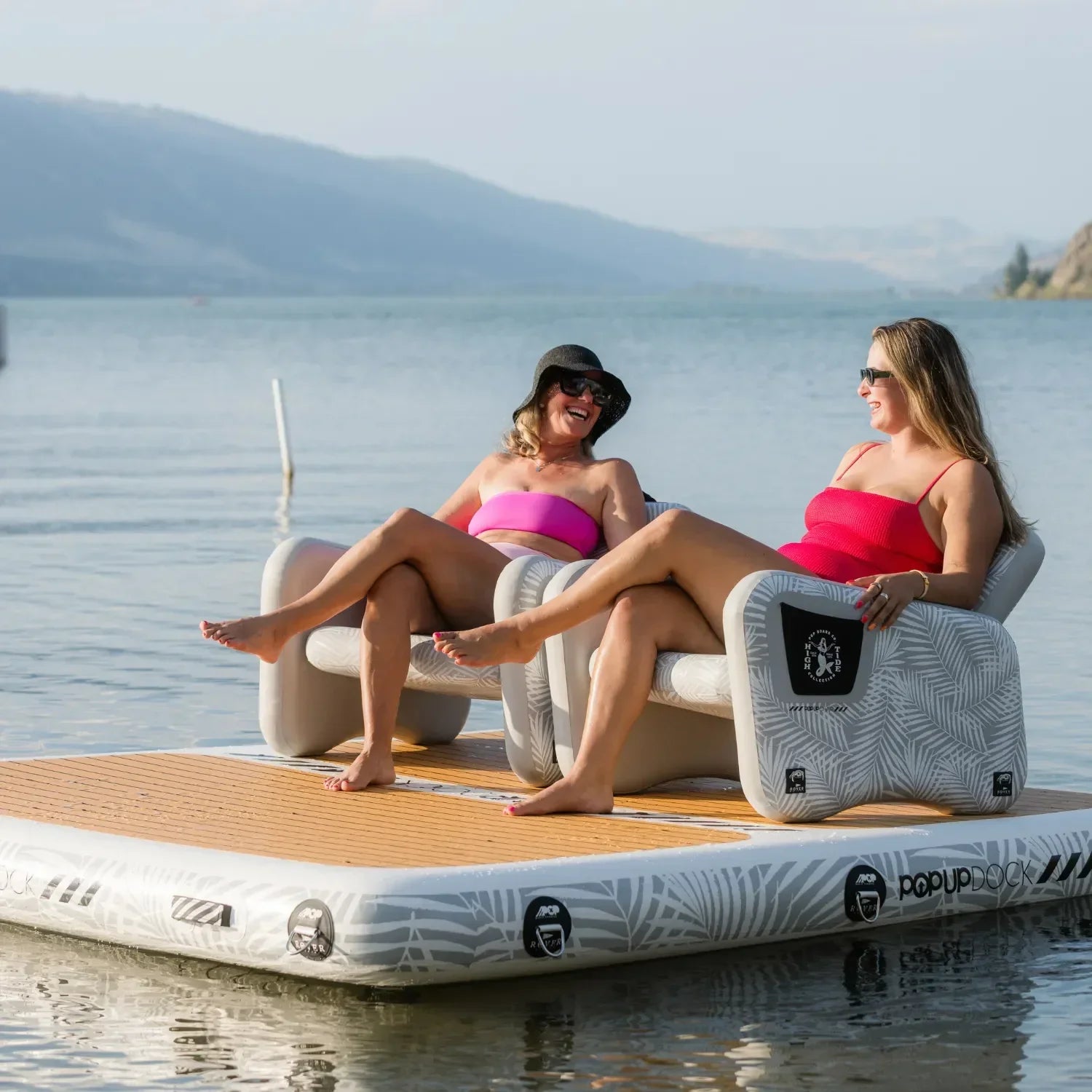
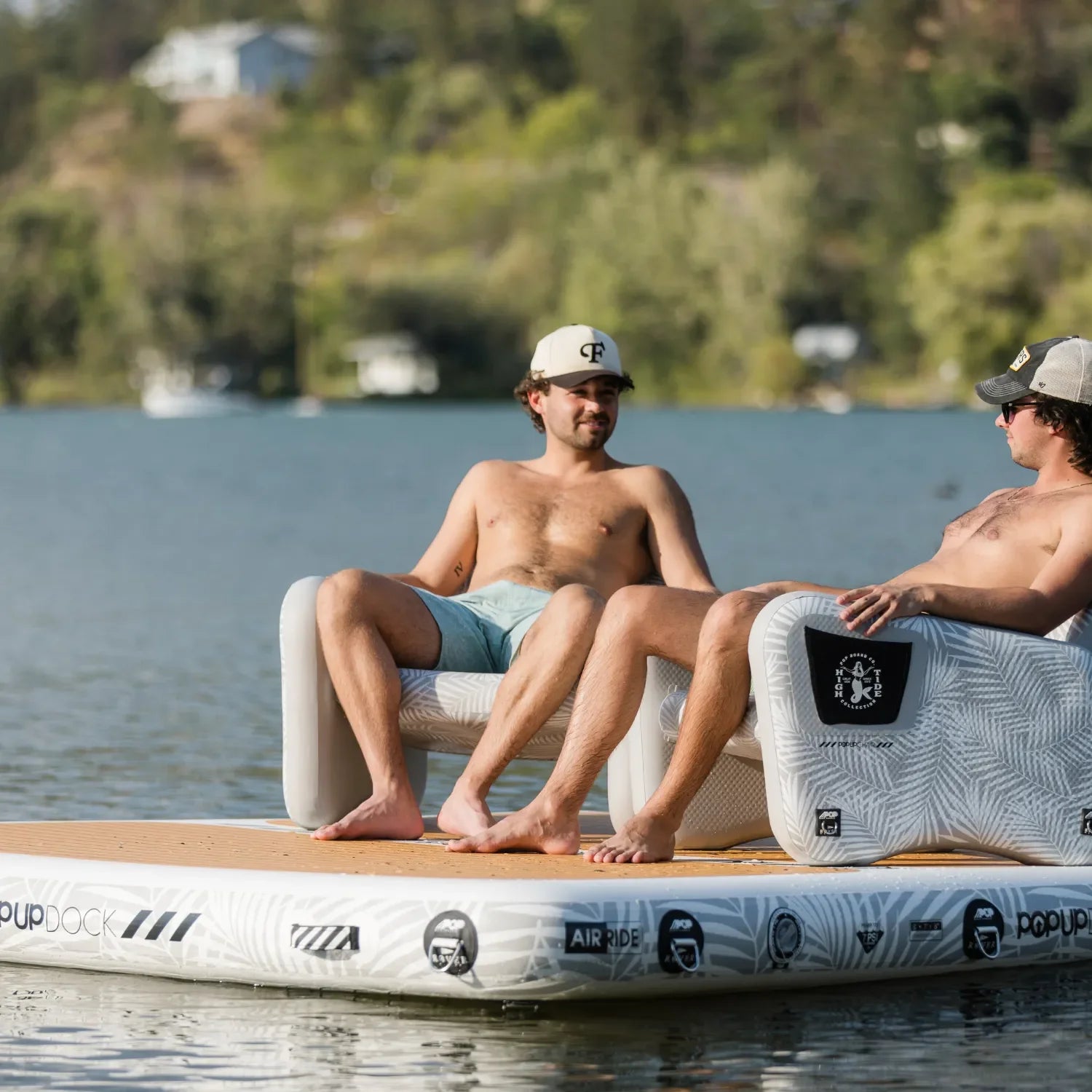
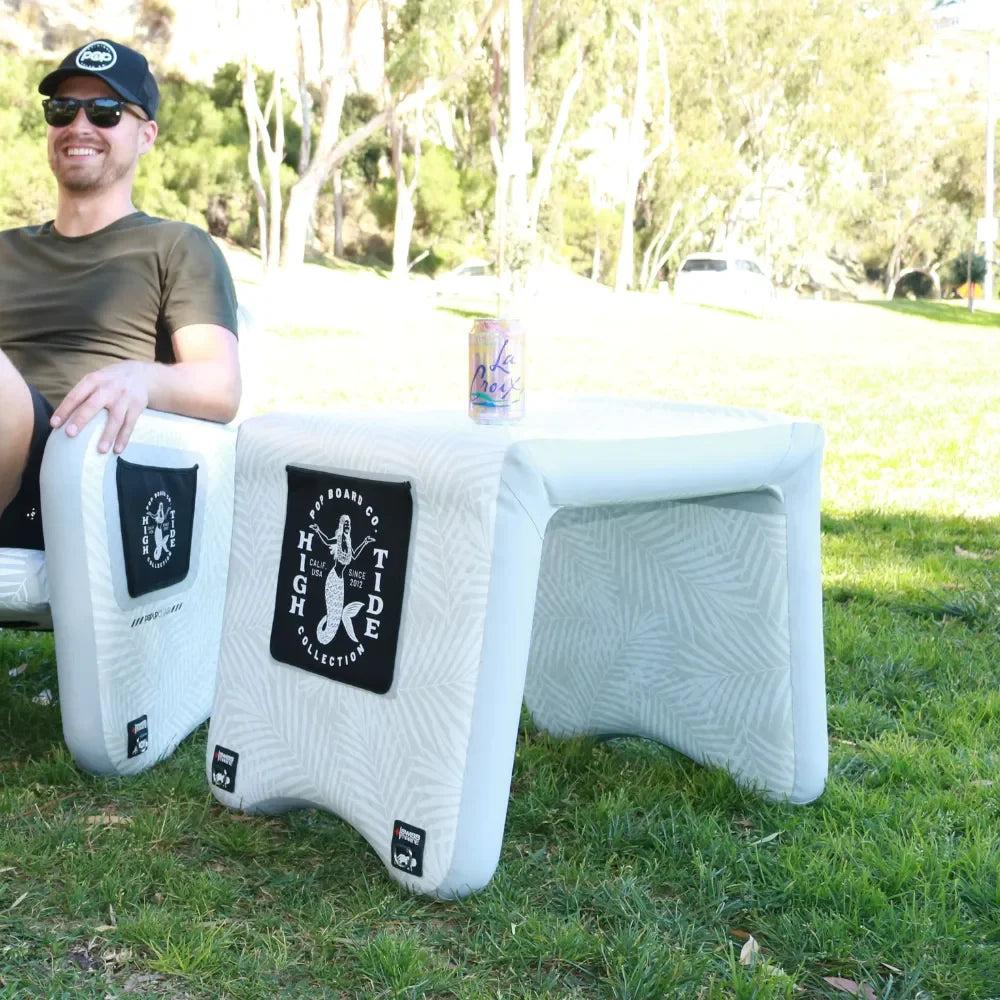
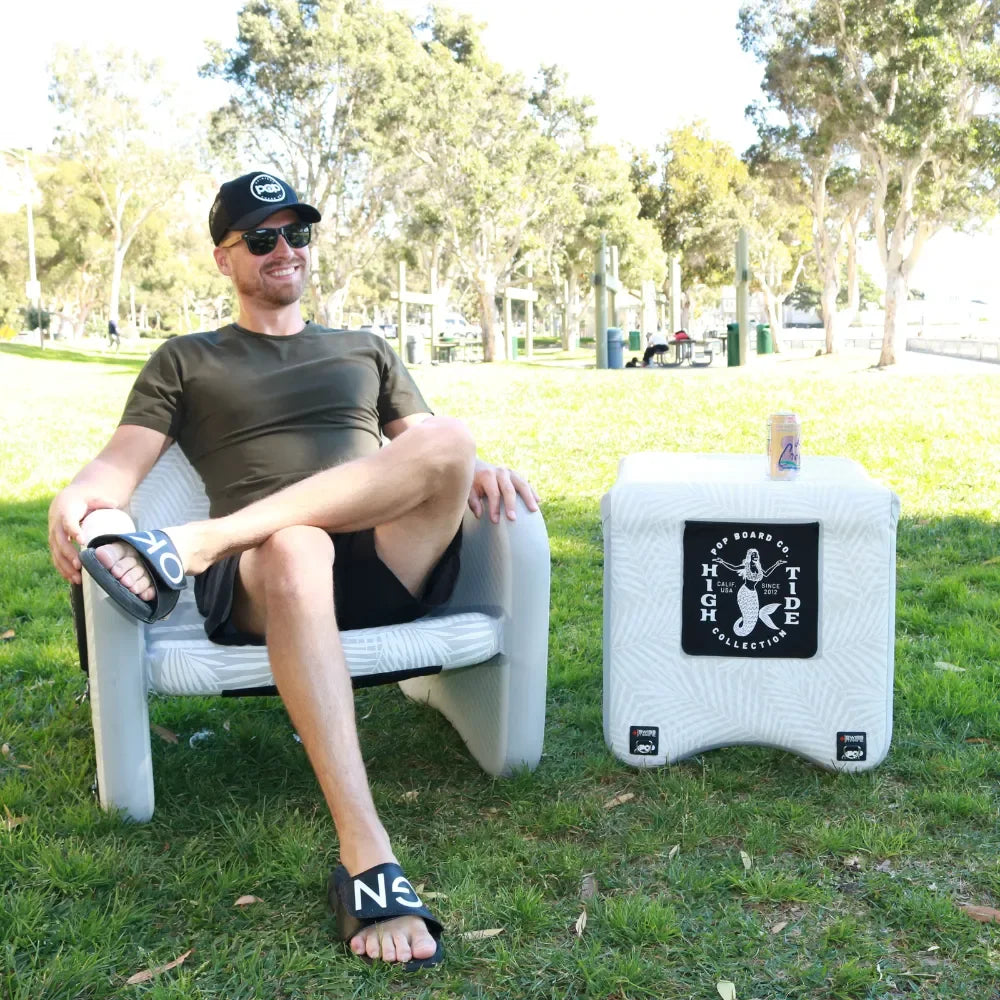
For long outings, consider an inflatable pop-up chair set—it adds back support and turns your board into a comfortable lounge. We often bundle compatible pumps and kits with our boards, so feel free to use our product categories to easily pair the right gear with your board.
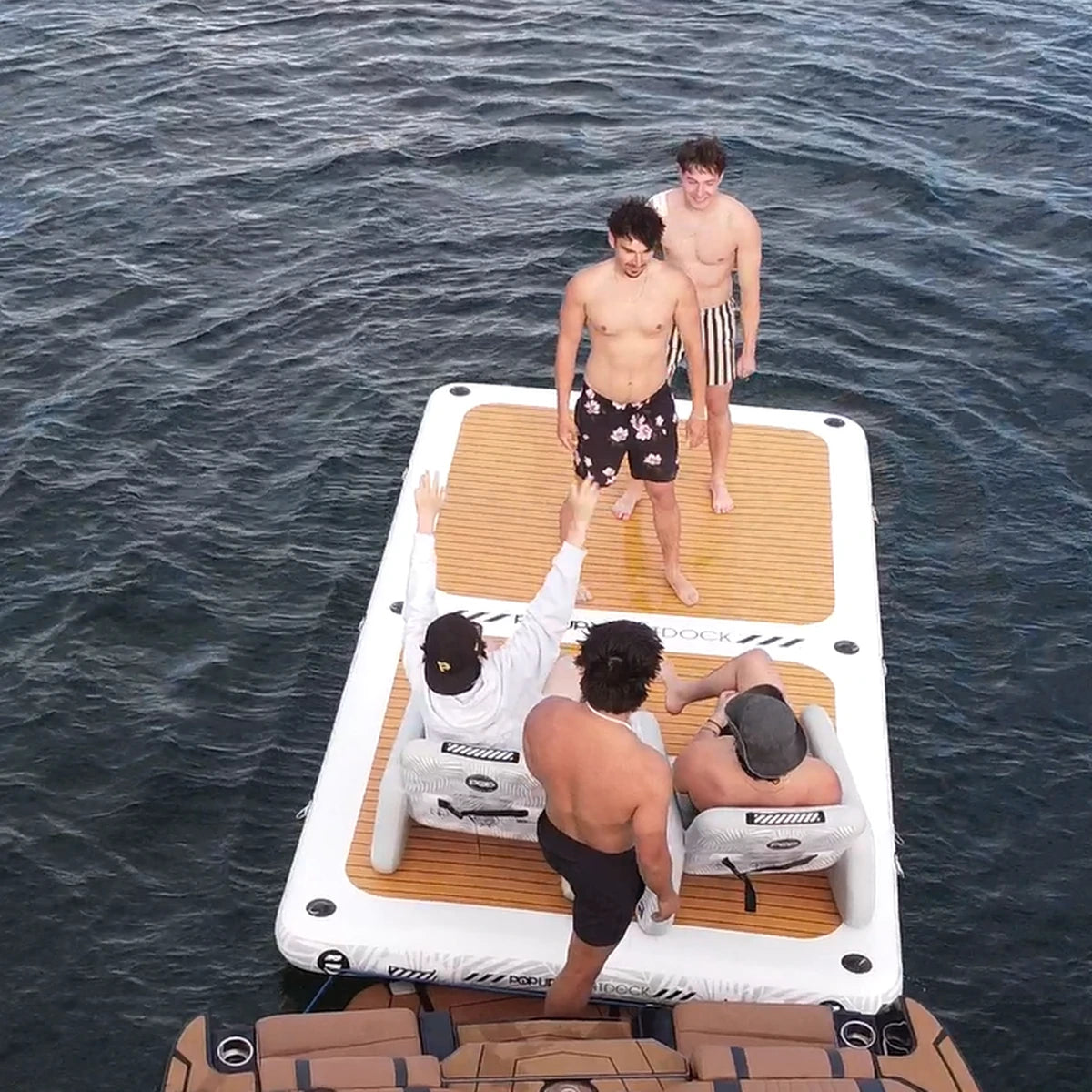
Specialised extras, like an inflatable pop-up dock, expand your on-water space and make launching, relaxing or linking multiple boards easier.
How do durability, warranty and brand reputation affect your choice?
When you're investing in an iSUP, you absolutely want it to last. Durability clues—material specs, seam construction and warranty terms—are your best indicators of long-term value. Higher-quality materials and longer guarantees usually signal stronger manufacturing confidence. Look for “military-grade” PVC, reinforced PVC layers, heat-welded seams or fusion lamination, and clear warranty periods. Transparent support, rider guarantees, and solid warranties are what we believe truly reduce uncertainty for first-time buyers and those choosing premium models. Below we explain material signals and summarise warranty details from a Canada-based seller.
Why military-grade PVC and heat-welded seams matter
“Military-grade” PVC generally means thicker, tougher outer layers with better abrasion resistance than standard laminates—this boosts puncture and UV durability. Heat-welded or fusion seams form stronger bonds that resist delamination and reduce leak risk compared with simple glued seams, especially after repeated inflation cycles and temperature changes. These construction choices mean fewer repairs, less maintenance and more reliable hull stability—particularly helpful if you launch from rocky shores or carry gear often. From our experience, investing in reinforced rails and solid seam construction truly pays off with long-term confidence and fewer unexpected trips to the repair shop.
That naturally leads to questions about warranty coverage and after-sale support.

What Canadian Board Co. offers for warranty and customer support
As a 100% Canadian-owned and operated family business, Canadian Board Co. proudly backs its products with truly buyer-friendly terms. The company offers a 3-year warranty and a 60-day Rider’s Guarantee so customers can test performance and get remedies if expectations aren’t met; there’s also free Canada-wide shipping on orders over $99. On our product pages, we proudly call out features like AIR RIDE Woven Drop Stitch and robust PVC construction for superior stiffness and durability. You'll also find detailed specs, helpful FAQs, and honest customer reviews to help you make the best decision. These guarantees and clear construction details give you practical information to evaluate long-term value—especially when technical claims can feel overwhelming.
- 3-year warranty to support long-term durability expectations.
- 60-day Rider’s Guarantee to reduce purchase risk for new paddlers.
- Free shipping across Canada on qualifying orders for simpler logistics.
With materials and warranty covered, here’s why a Canada-focused supplier can be helpful for local paddlers.
Why choose Canadian Board Co. for Canadian waters?
Canada’s incredibly varied waters—from our cold storage seasons and vast freshwater lakes to tidal coasts and winding river runs—place unique demands on board design, durability, and after-sale support. That's why a Canada-focused seller like us makes all the difference. Canadian Board Co. highlights AIR RIDE Woven Drop Stitch and PVC construction, offsets carbon for shipments, partners on ocean clean-ups, and provides product specs and FAQs that are useful for local paddlers. Our domestic ownership and targeted guarantees simplify returns, warranty claims, and give you direct access to expert advice tailored for our specific lake, river, and coastal conditions.
How Canadian Board Co. boards are set up for lakes, rivers and coastlines
Our designers carefully balance volume, reinforced rails, and practical fin setups to ensure our boards perform beautifully across calm lakes, challenging river currents, and coastal chop. Higher-volume all-around models suit family lake days, touring shapes with better tracking support longer river runs and coastal crossings, and reinforced rails plus reliable fin boxes reduce maintenance from rocky launches. These design choices make boards versatile for typical Canadian water adventures and seasonal use.
That local focus ties into the company’s sustainability and guarantee commitments.
What sustainability steps and guarantees Canadian Board Co. provides
At Canadian Board Co., we're committed to doing our part. We proudly offset our shipment carbon footprints and actively support organizations dedicated to ocean clean-up—something we know is important to paddlers who value responsible sourcing and shipping as much as we do. Product pages highlight construction methods, include practical FAQs and customer reviews, and back purchases with warranty and Rider guarantees. These sustainability actions and consumer protections give buyers additional reasons to consider the brand alongside technical performance.
- Carbon offsets for shipments to reduce delivery emissions.
- Partnerships supporting ocean clean-up and stewardship.
- Warranty and Rider guarantees to protect buyers after purchase.
That wraps up this practical guide to prioritising construction, size and accessories when choosing an inflatable paddle board.

Join Our Canadian Board Co. Family!
We love seeing your adventures on the water! Connect with us, share your stories, and become part of our growing community of Canadian paddlers.
Follow us for tips, new product launches, and stunning Canadian paddling inspiration!
Frequently Asked Questions
Got questions? We've got answers! Here are some of the most common questions we hear from our paddling community.
What’s the best way to look after an inflatable paddle board?
Keep your board in top shape by checking it regularly for punctures, abrasions and worn D-rings. Rinse it with fresh water after every outing to remove salt, sand and grit that cause wear. Store your board in a cool, dry place out of direct sunlight to prevent UV damage; for long-term storage, fully deflate and roll it loosely to avoid stressing seams. A little routine care goes a long way toward extending your iSUP’s life and performance.
Can I use an inflatable paddle board in saltwater?
Yes—inflatable SUPs are well suited to saltwater. Just rinse board and accessories thoroughly with fresh water after each use to prevent corrosion and material wear. Keep your board inflated to the recommended PSI for best rigidity in chop, and perform regular maintenance on fins, pumps and metal fittings to protect longevity.
How do I pick the right paddle length for my iSUP?
Paddle length depends on your height and paddling style. A good rule of thumb is a paddle about 8–10 inches taller than you for stand-up paddling. For surfing or racing, you may prefer a slightly shorter paddle. Adjustable paddles are a smart choice because they let you fine-tune length for different activities and users.
What safety gear should I bring when paddle boarding?
Safety first: bring a PFD (Personal Flotation Device) where legally required, a leash to keep your board close, and a whistle for signalling. We also recommend a repair kit and a waterproof dry bag for essentials. These items improve safety and comfort and help you handle unexpected situations on the water.
How can I transport my inflatable paddle board easily?
Inflatables are easy to transport because they pack down small. Use the carry bag that typically comes with the board, fully deflate, roll tightly and secure it in your car or on a roof rack. If you’re hiking or using public transit, the bag’s straps make carrying simple. Always check local transport rules if you’re unsure.
What should I do if my iSUP gets a puncture?
Stay calm. Inflate the board and listen for a hiss or apply soapy water to find bubbles and locate the leak. Clean and dry the area, then use a SUP-specific repair kit with patches and adhesive. Follow the kit instructions and allow the patch to set fully before reinflating and returning to the water.
Are inflatable paddle boards suitable for all skill levels?
Yes—inflatable SUPs work for everyone, from first-timers to advanced paddlers. Beginners benefit from the stability of wider all-around boards, while intermediate and advanced users can choose touring or performance shapes for more speed and manoeuvrability. With so many designs available, it’s easy to find a board that matches your skill and goals.


Leave a comment
All comments are moderated before being published.
This site is protected by hCaptcha and the hCaptcha Privacy Policy and Terms of Service apply.