
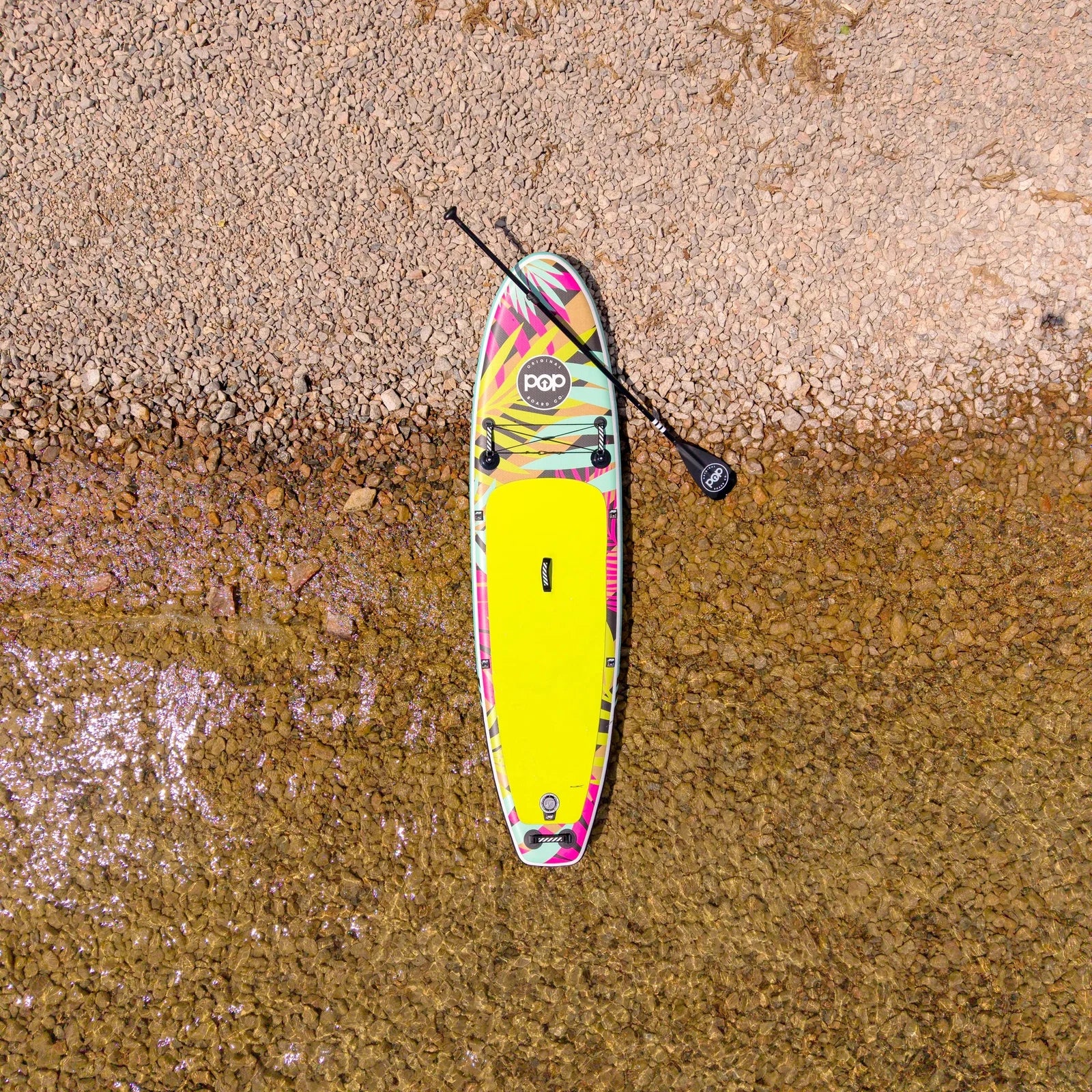
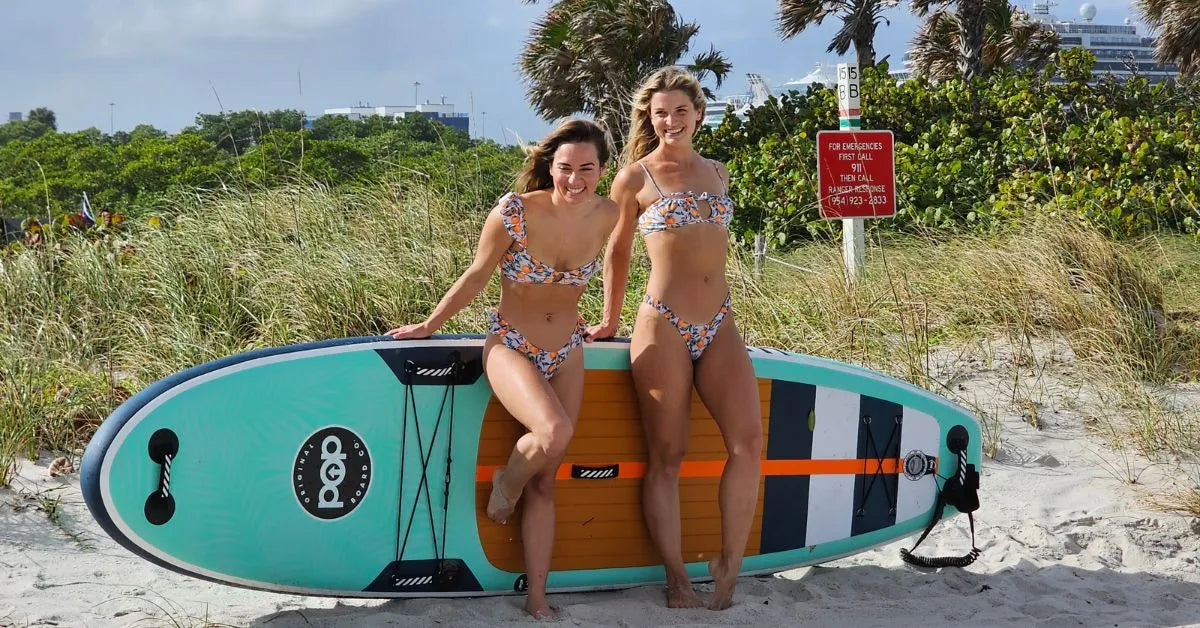
Inflatable stand-up paddle boards (SUPs) pack portability and surprising performance into a compact package — perfect for lakes, rivers and sheltered coastal stretches across Canada. This guide walks you through how to choose the right inflatable SUP for Canadian conditions: construction and stiffness, stability and sizing, fin choices, accessory essentials, safety, and seasonal care. We tackle common Canadian challenges — rocky launches, tight cottage or apartment storage, and cold-water safety — and map board types to real trips like fishing days, family outings, touring, yoga and tandem paddling. You’ll also learn how AIR RIDE Woven Drop Stitch and multi-layer PVC affect ride feel and longevity, plus practical maintenance and winterizing steps to protect your investment. Throughout, expect clear checklists, comparison cues and buying criteria to help you pick the right board for your next Canadian outing.
Why choose inflatable paddle boards for Canadian lakes and rivers?
Inflatable SUPs blend portability with ruggedness, which makes them especially well suited to Canada’s varied launch sites and storage realities. A drop-stitch core wrapped in durable PVC inflates into a stiff, stable platform, yet the board deflates to a compact size for cottage closets, apartment storage or vehicle trunks. Inflatable designs tolerate scrapes and rough launches better than hard shells, reducing the worry of dings on rocky beaches or riverbanks. That same flexibility lets one board serve many roles — from calm-lake cruising to family days and light touring along protected coasts.
This section highlights the practical benefits Canadian paddlers gain from choosing an inflatable SUP and explains the trade-offs compared with rigid boards. The short list below pulls out the core advantages for quick decisions and featured-snippet style answers focused on what Canadian paddlers care about most.
Inflatable paddle boards offer four main benefits for Canadian paddlers:
- Portability: Packs into a backpack or travel bag so you can reach remote launch points or take public transit to the water.
- Durability: Multi-layer PVC and reinforced zones resist punctures and abrasion from rocky shores.
- Storage efficiency: Deflates to fit in small cottages, apartments and car trunks.
- Versatility: One board can handle fishing, yoga, tandem trips and family days.
Those advantages lead to more time on the water and fewer repair headaches for seasonal users. Understanding how they translate into real choices helps you compare construction and feature lists more effectively.
What makes inflatable SUPs a good fit for Canadian water conditions?
Inflatable SUPs work across Canada’s range of water types because they combine impact-resistant outer laminates with a stiff drop-stitch core that supports riders and gear. That construction reduces the risk of serious damage when launching from rocky beaches and helps maintain stability on choppy lake surfaces or at river mouths. Inflatable platforms also compact down for winter storage, which — when boards are dried and stored correctly — helps avoid long-term UV and freeze-thaw damage. Choosing boards with robust multi-layer PVC and a well-built woven drop-stitch core gives you reliable stiffness and tracking without sacrificing portability.
For most Canadian paddling, slightly wider all-around shapes are a sensible default on lakes and flatwater, while longer touring profiles suit open-water crossings and extended trips. Matching width, length and construction to how and where you paddle will keep your SUP resilient and easy to move between launch points.

How does Canadian Board Co. ensure quality and sustainability in their paddle boards?
Canadian Board Co. builds its line around clear customer protections and construction choices tailored to Canadian buyers. The brand is described as "100 percent Canadian-owned and operated," highlighting local ownership and service. Key buyer assurances include "Free Shipping Canada-Wide on orders over $100," a "3-year warranty," and a "60-day Rider's Guarantee" — all designed to reduce purchase risk. The company also calls out construction standards like "AIR RIDE Woven Drop Stitch and PVC" to communicate durability and performance expectations.
Those commitments line up with what Canadian paddlers value: dependable warranties, sensible shipping for a big country, and materials chosen to survive rugged shorelines. Together, these guarantees and technical details help shoppers feel confident when investing in a multi-use inflatable SUP.
What are the key features to look for in a durable inflatable paddle board for Canada?
Choosing a board for Canadian use means looking closely at construction, stiffness, stability and real-world portability. Aim for multi-layer PVC laminates and a woven drop-stitch core to hold higher inflation pressures and resist flex. Dimensions — length, width and thickness — control tracking, speed and stability: wider shapes improve balance for beginners and anglers, while longer boards favour efficient touring. A strong fin system and reinforced rails improve tracking and protect edges on rocky launches. Finally, check pack size, backpack quality and pump options to make sure you can actually get the board to remote lakes and rivers.
Below is a compact comparison table showing representative models and a generic all-around benchmark so you can map features to likely use cases. The table sticks to conservative, verifiable details like model lengths and construction descriptors.
Intro: The table compares representative board models and a typical all-around benchmark so you can map attributes to use cases.
| Model | Length | Construction / Material | Weight Capacity | Packability | Warranty |
|---|---|---|---|---|---|
| POP El Capitan (example) | 11'6" | AIR RIDE Woven Drop Stitch + PVC | High (varies by model) | Compact when deflated; board bag recommended | 3-year warranty |
| POP Royal Hawaiian (example) | 10'6" | AIR RIDE Woven Drop Stitch + PVC | Moderate to high | Packs into backpack-style bag | 3-year warranty |
| Typical All-Around SUP | 10'0"–11'0" | Multi-layer PVC, drop-stitch core | Moderate | Designed for city/cottage storage | Manufacturer varies |
This quick comparison shows how construction and length influence capabilities; if you plan frequent remote launches, prioritize reinforced rails and a quality carry bag. Side-by-side comparisons make it easier to pick a board that matches your intended Canadian adventures.
How does AIR RIDE Woven Drop Stitch and PVC construction improve performance?
AIR RIDE Woven Drop Stitch links thousands of polyester threads between the board’s top and bottom layers so the inflated platform becomes flat and rigid — closer in feel to a hard board. When paired with multi-layer PVC laminates, that construction holds stiffer at higher pressures, improving tracking and carrying capacity for gear or a second rider. The result is less flex under load, better forward efficiency and more stability in crosswinds or light chop. For Canadian paddlers, this means smoother launches from rough shores and the confidence to bring a cooler, rods, or a passenger without losing performance.
The rise of drop-stitch technology has unlocked high-performance inflatable structures across many fields, and paddle boards are a prime example of that advantage.
Drop Stitch Technology for Rigid and High-Performance Inflatable Structures
The use of drop stitch technology to create rigid, high performance, yet inflatable structures is a rapidly growing field. The fabric is woven using a manufacturing process that allows for a high degree of customization and control over the material's properties. This makes it ideal for applications where both rigidity and flexibility are required, such as in inflatable paddle boards.
Characterizing the mechanical properties of drop stitch inflatable structures, 2013
Key buying checks: look for strong rail protection, extra PVC layers in high-wear zones, and a clearly described drop-stitch core. Those construction details matter for long-term durability in Canada’s variable climate and support a wide range of activities from fishing to family paddles.

Why are stability and weight capacity important for Canadian adventures?
Stability and weight capacity determine whether a board will comfortably hold you plus gear, a pet or a second rider on family outings or fishing trips. Wider boards — often 32 inches or more for fishing and tandem use — give a flatter, more predictable platform that makes casting, moving around and bringing a dog simpler. Weight capacity affects how the board sits in wind and chop: an overloaded board rides lower, reduces control and risks taking on water. Picking a board with some extra capacity above your expected loaded weight keeps handling safer and more predictable on larger lakes or current-affected rivers.
The mechanical properties of drop-stitch fabrics have been studied for use in demanding structural applications, reinforcing their suitability for aquatic vehicles and rugged inflatable designs.
Drop Stitch Fabric Properties for Inflatable Structures and Aquatic Vehicles
The mechanical properties of drop stitch fabric materials in tension and shear has been investigated for use in designing structural applications such as ship construction, modular buildings, inflatable structures, aquatic vehicles, sporting goods and temporary field equipment installations. The goal of testing is to improve the understanding of the mechanical properties, which can aid in application development for structural deployments using these unique materials. The benefits of using rigid drop stitch fabric panels in ship and building construction are their light weight and rigidity. The epoxy resin infused fabric is corrosion and degradation resistant while providing a more robust resistance to loads and damage in hazardous environments. Inflatable drop stitch fabric materials can form rigid shapes that resist bending and bowing better than those utilizing standard fabric materials. The inflated drop stitch panels can be highly pressurized to allow for greater load capa
Exploration of the mechanical properties of both ridged and inflated drop stitch fabric material, 2015
Practical guidance: match board volume and width to your combined paddler-and-gear weight, and choose platforms with a margin above your expected load for multi-use trips. That margin reduces performance loss in choppy or windy conditions common across Canada.
Which types of inflatable paddle boards suit different Canadian adventures?
Each board shape serves a purpose: all-around boards work for casual lake days and mixed activities; touring boards favor long-distance efficiency and straight-line tracking; fishing boards focus on stability and accessory mounting; yoga boards prioritize a wide, flat deck; and tandem boards handle two people or heavy loads. Understanding the strengths of each type helps you narrow choices based on where and how you paddle. For instance, a wider all-around shape is ideal for calm inland lakes and beginners, while a longer touring hull shines on extended routes and crossings. Accessory compatibility — anchor points, mounting options — is especially important for anglers and overland trips.
The list below maps board types to common Canadian use cases so you can quickly focus your search before comparing specific models.
- All-Around SUP: Great for beginners, family days and mixed-use outings.
- Touring SUP: Best for longer paddles and efficient straight-line tracking.
- Fishing SUP: Built for stability, gear carrying and accessory mounts.
- Yoga SUP: Wide, steady decks with grippy traction for practice on the water.
- Tandem SUP: Designed for two people or heavy-load family trips.
Picking a board type that matches your main activities keeps purchases sensible and ensures dependable performance across Canadian settings.
What are the benefits of all-around SUPs like the POP Royal Hawaiian?
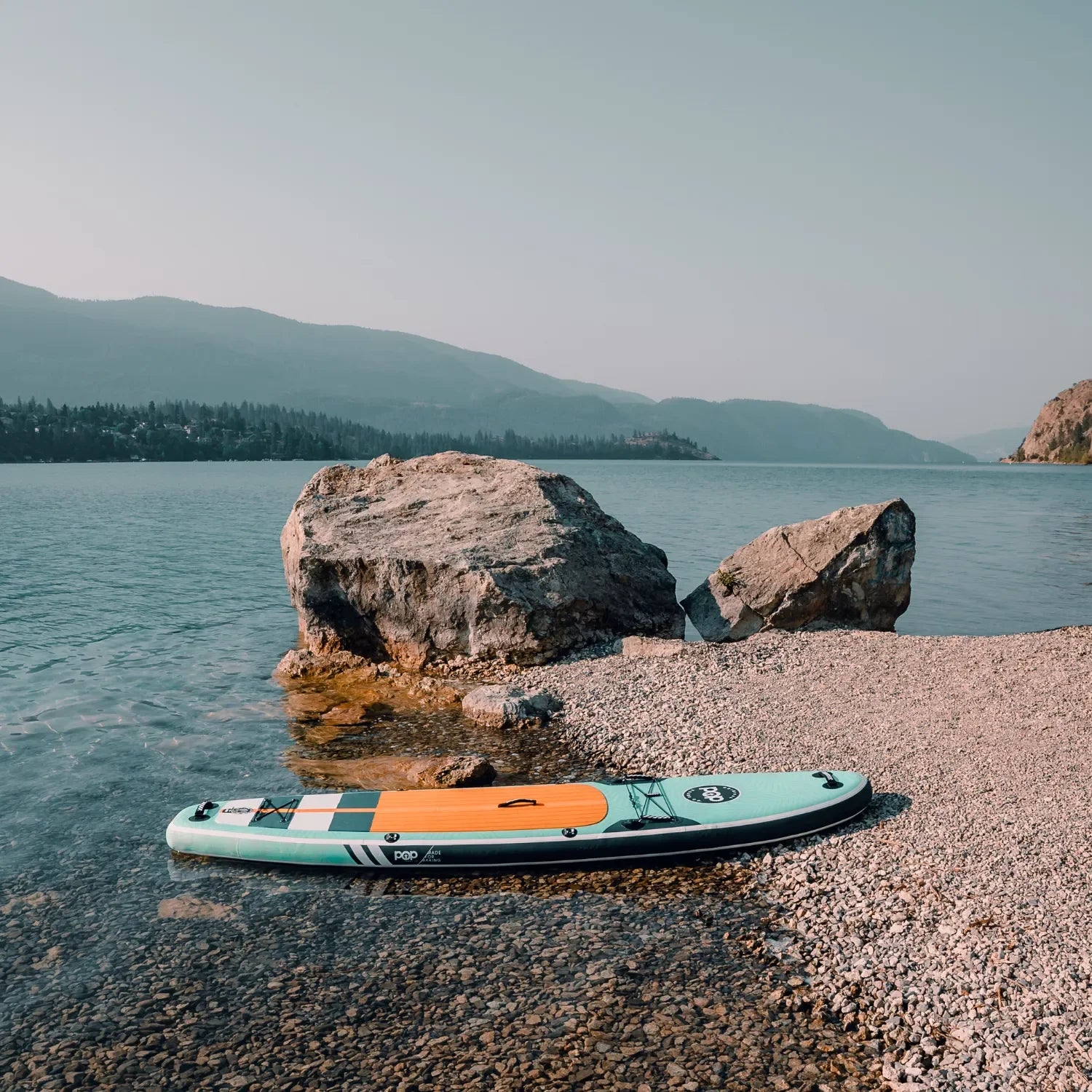
All-around inflatables balance stability, maneuverability and ease of use, which makes them ideal for lakes, calm rivers and mixed-use days that combine cruising, short tours and casual fishing. The POP Royal Hawaiian (10'6") is a good example: its forgiving deck shape and moderate length make standing, turning and learning easier without advanced technique. These boards are also straightforward to pack and transport, which suits paddlers who shuttle between urban storage and nearby launch sites. For many Canadian paddlers, an all-around board is a single, versatile platform for cottage weekends, family outings and short explorations.
If you value simplicity and adaptability, an all-around model delivers easy handling and a compact packed size — and that convenience usually equals more time on the water, which matters most for improving skill and enjoyment.

Why is the POP El Capitan ideal for fishing, family and tandem paddling?
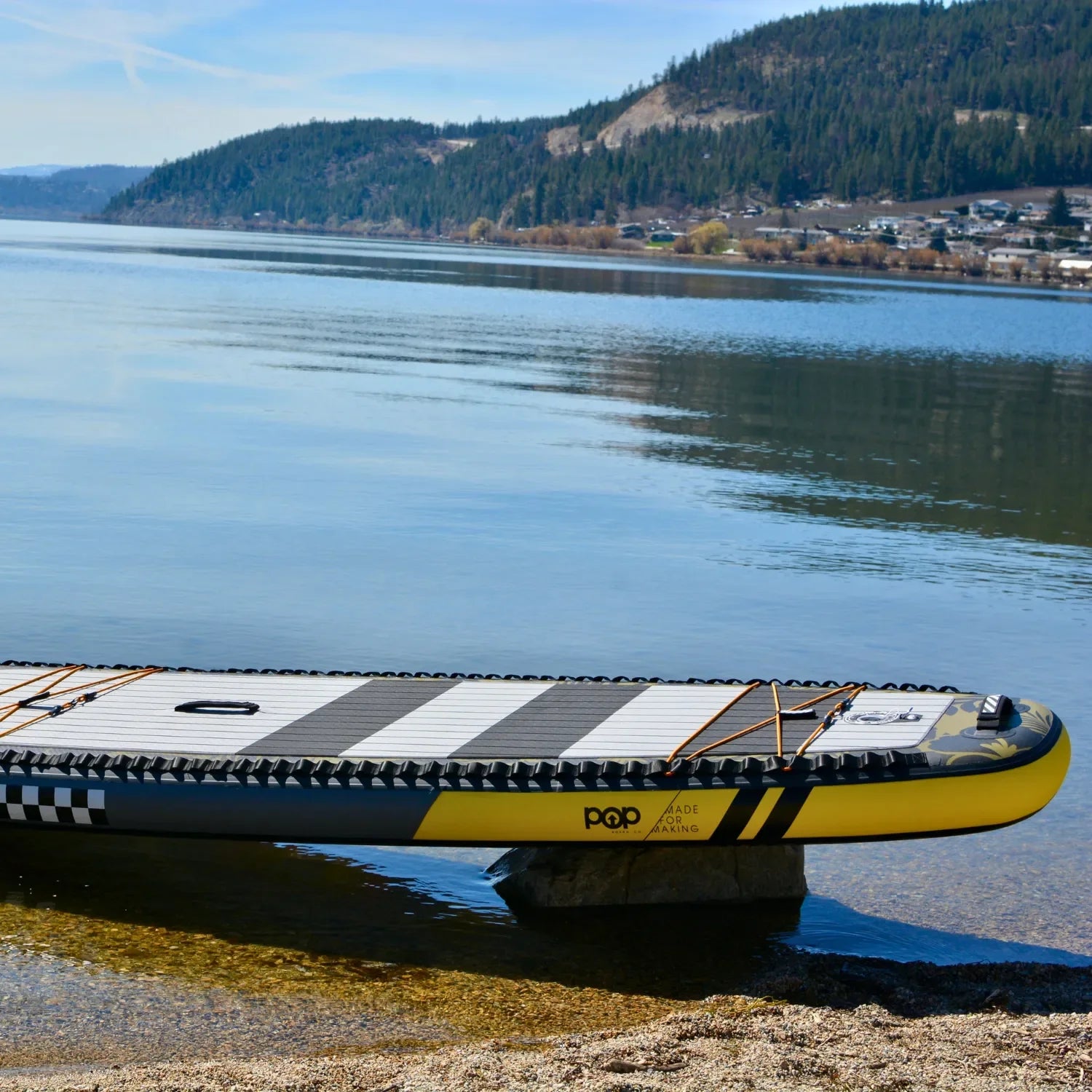
The POP El Capitan (11'6") exemplifies a multi-use platform with a wider deck and higher weight capacity, making it well suited to anglers, family trips and tandem paddling. The longer, wider shape increases load-bearing and leaves room for coolers, rod holders or a second rider without sacrificing stability. That focus on capacity works well for Canadian lake and river trips where extra supplies or a passenger are common, and AIR RIDE construction adds stiffness under load for dependable tracking. Practical features like multiple D-ring anchor points and a flat, stable deck make switching between activities simple.
For paddlers who want one board to cover many uses, a model like the El Capitan reduces the need for multiple specialized SUPs by delivering capacity and stability in a single platform.
How to choose the best inflatable SUP for your Canadian needs
Start by clarifying your primary use, combined weight and gear needs, storage limits and preferred water conditions. Identify what you’ll do most — commuting, touring, fishing, yoga or family paddles — then match board type, dimensions and fin setup to that use. If you rely on public transit or a small vehicle, favour compact packed size and lighter boards. Also check accessory compatibility like fishing mounts or anchor points for relaxing and swimming.
Use this short checklist when comparing models, and factor in Canadian specifics like rocky launches and long travel distances.
- Identify your main activity (touring, fishing, family, yoga, daily commute).
- Match board length and width to rider weight and gear needs.
- Pick a fin setup based on tracking versus maneuverability.
- Prioritize durable construction and a strong warranty for Canadian conditions.
What size and fin system should you choose for Canadian waters?
Size is a balance between speed/tracking and stability: longer boards (11'0" and up) track better and are more efficient for touring, while wider boards (32"+) give the stability beginners and anglers need. Thickness and volume raise load capacity; thicker boards carry more weight without sacrificing freeboard. Fin systems matter too: a single center fin helps straight-line tracking and is simple to use, while a tri-fin (3-fin) setup boosts maneuverability and handling in wind or choppy lakes. For versatility, a removable fin system that supports both a center touring fin and optional side fins gives you the best of both worlds.
In practice, choose a board a little larger than your minimum needs so you can comfortably carry gear and seasonal clothing layers — that extra margin pays off in colder-water paddling.
How important are portability and storage for remote Canadian paddleboarding?
Portability and pack size decide whether you can reach remote lakes and backcountry launches without hassle — a common priority for Canadian paddlers who hike or use multiple transport modes. Check total packed weight and whether the supplied bag has shoulder straps or wheels for rough terrain; lighter boards with well-designed backpacks let you cover longer approaches. Pumps matter too: electric pumps speed setup but need power, while manual high-pressure pumps are reliable without batteries. When planning remote launches, balance inflation effort, packed footprint and carrying comfort to avoid wearing yourself out before you even hit the water.
Optimizing portability often turns a rare local outing into regular remote exploration, so match transport choices to your typical launch scenarios.
What essential accessories and safety gear do you need for paddle boarding in Canada?
Safe, enjoyable paddling starts with a small set of essentials that improve performance, comfort and legal compliance. At minimum: a properly rated PFD, a suitable leash and a reliable pump. Other items — an adjustable paddle, dry bags and an anchor for fishing — raise trip quality and convenience. In Canada, consider cold-water protection such as a wetsuit or insulated layers, and check Transport Canada guidance and local bylaws for any equipment or registration rules that apply where you paddle.
Intro: Use this accessory matrix to prioritize what to buy first based on activity and safety needs.
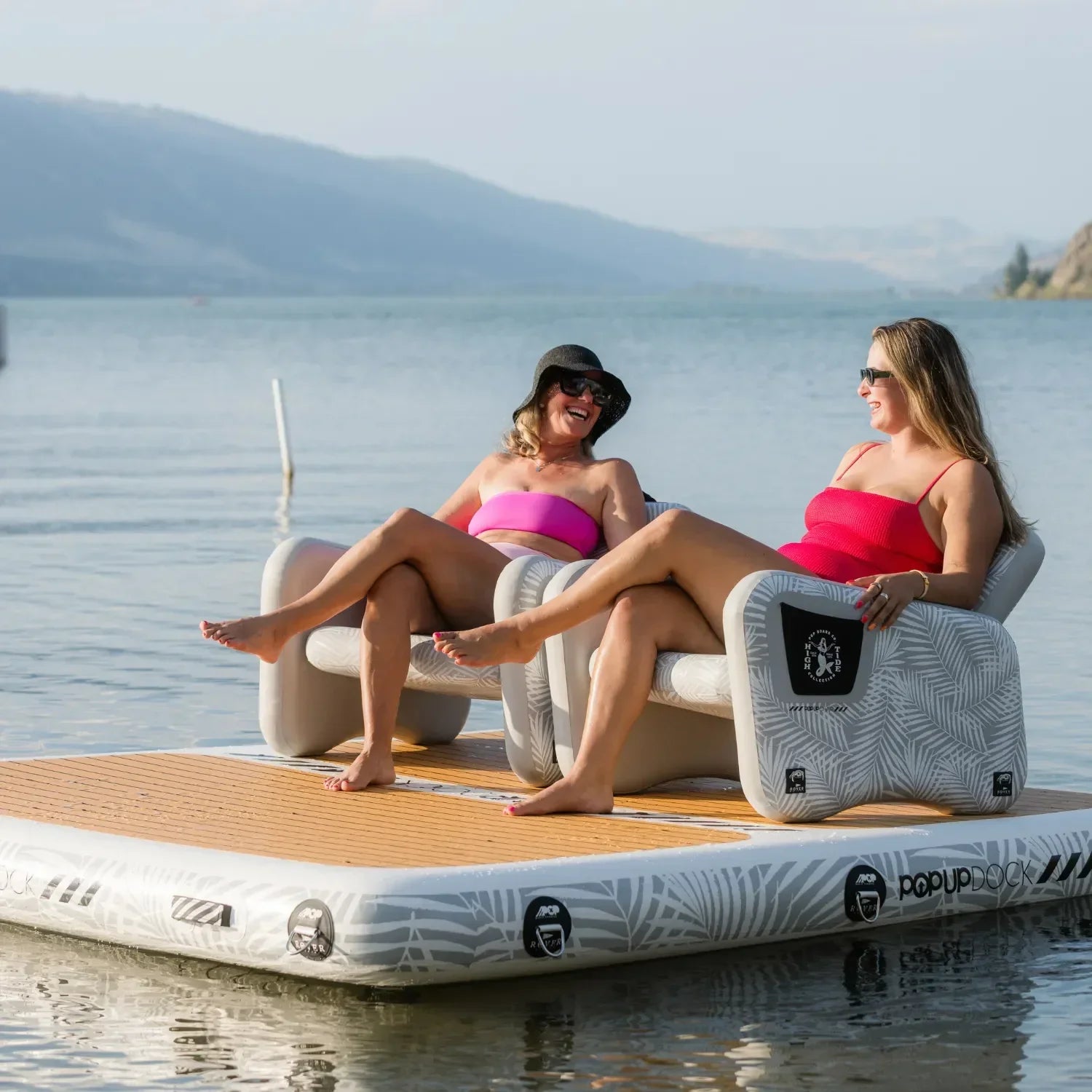
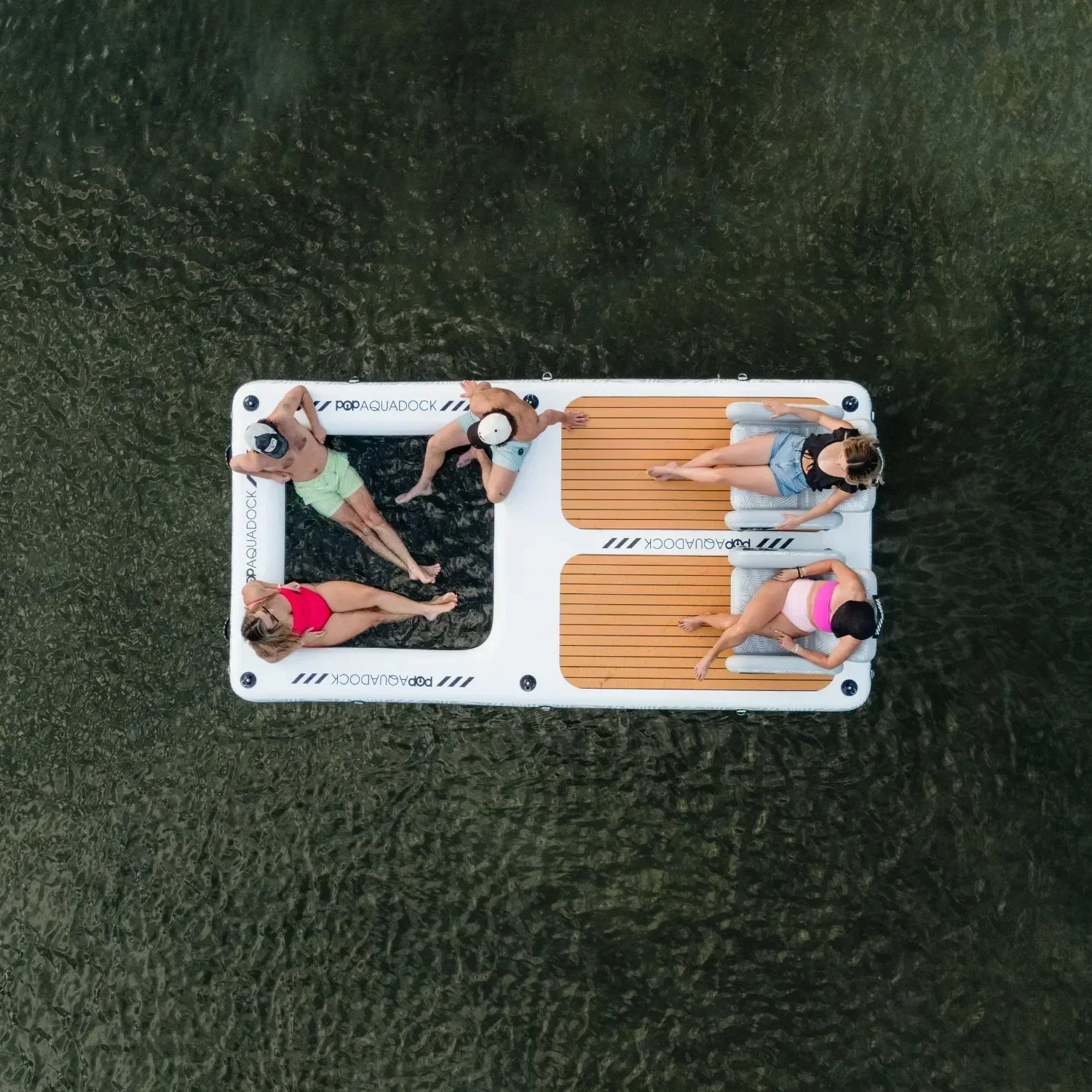
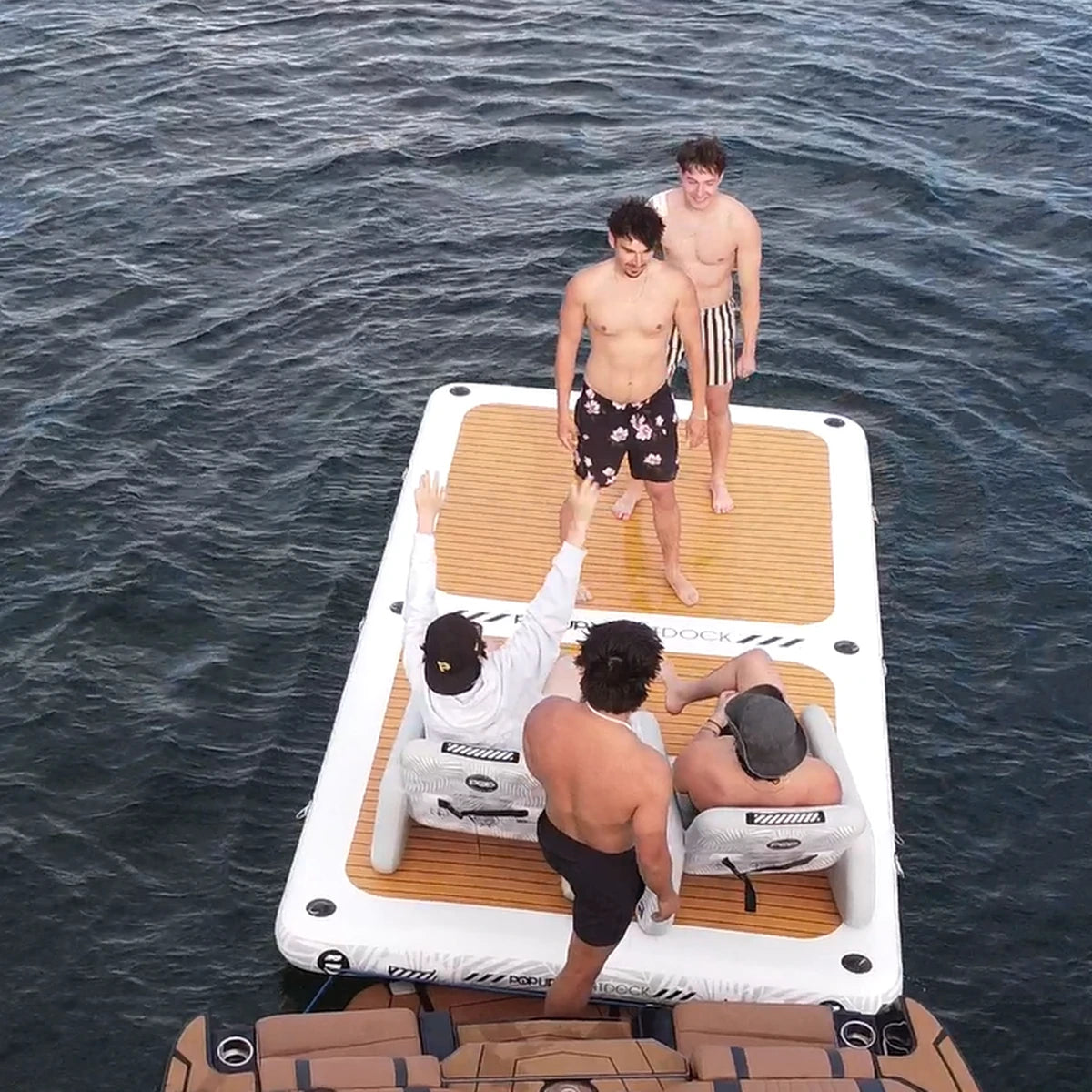
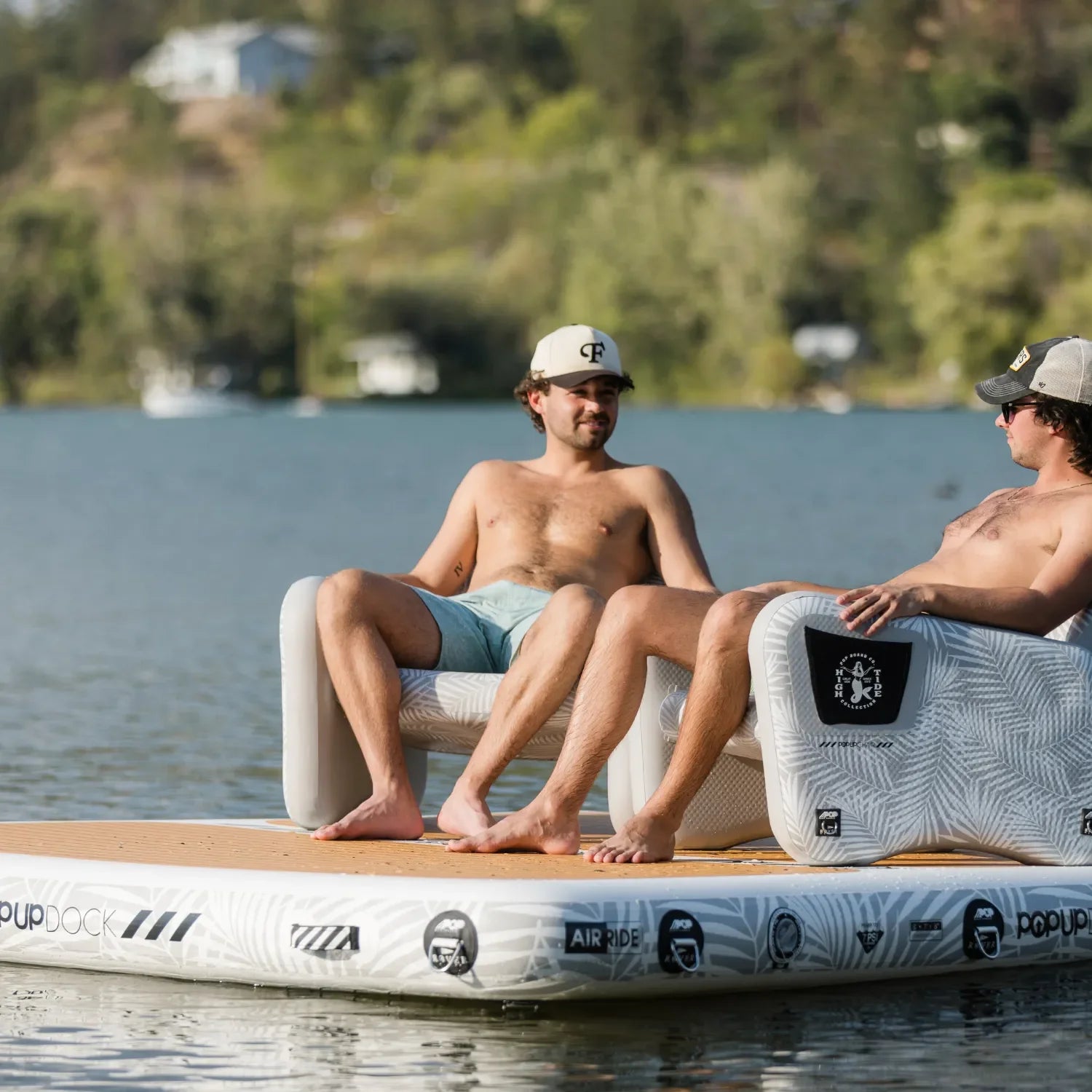
Planning a longer outing or group gathering? An inflatable dock can give you a stable, comfy platform — ideal for relaxing, socializing or expanding your usable space on Canadian lakes and rivers.
| Accessory | Why it matters | Recommended spec | Price category |
|---|---|---|---|
| PFD (Personal Flotation Device) | Legal safety item and essential buoyancy support | Coast-appropriate PFD with a comfortable fit | Mid |
| Pump (manual/electric) | Inflates your board to operating pressure | High-pressure pump compatible with your board valve | Mid |
| Adjustable Paddle | Efficient propulsion and compact storage | Lightweight, adjustable length | Mid |
| Leash | Keeps your board nearby after a fall | Coil or straight leash chosen to suit conditions | Low |
| Dry Bag / Deck Storage | Protects gear on outings | Waterproof, durable material | Low–Mid |
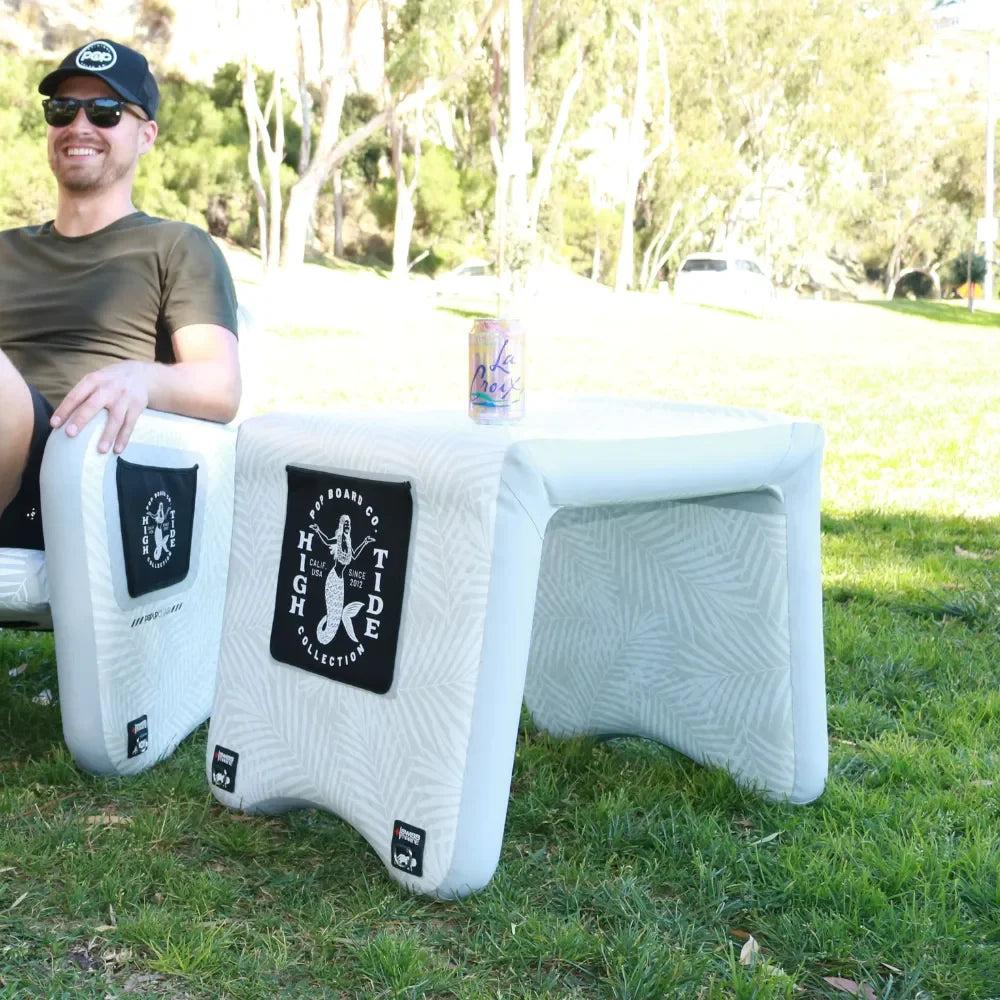
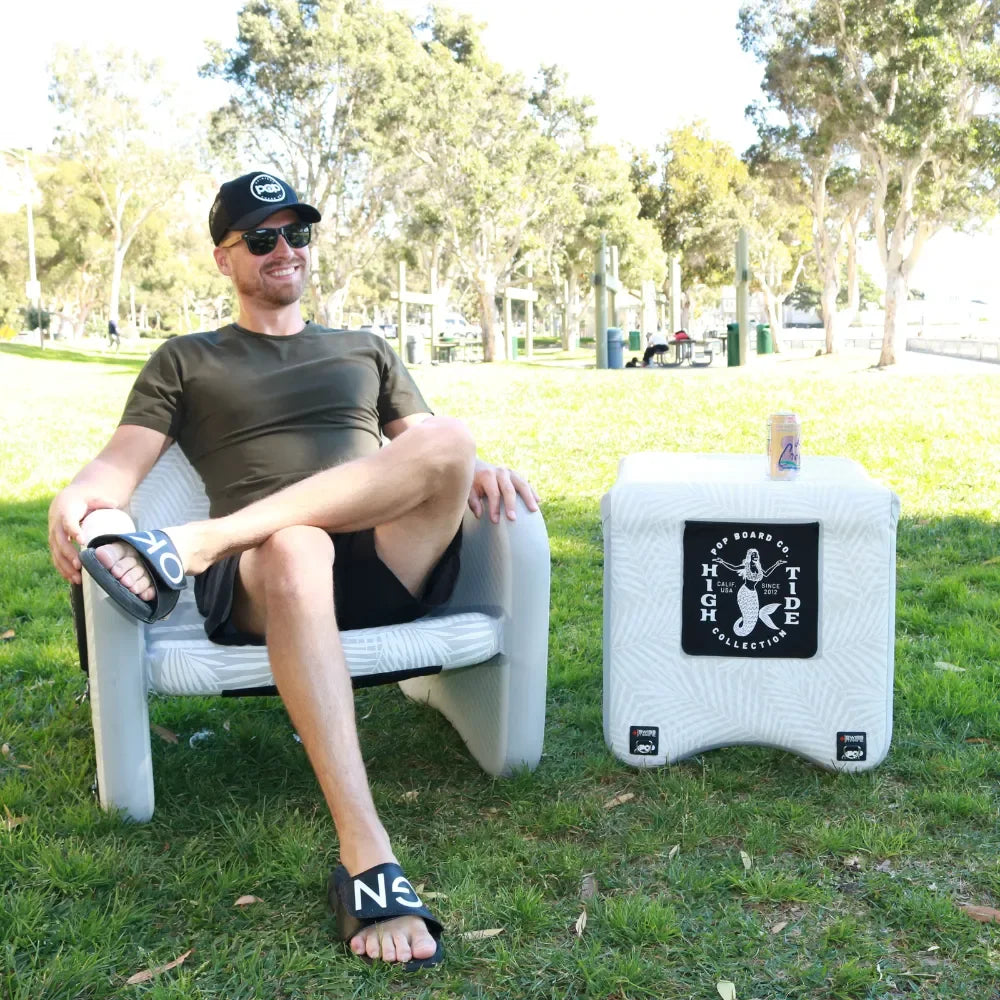
| Inflatable Dock / Chair | Comfort and group setups | Durable PVC build for multi-person use | Mid–High |
This matrix helps you prioritize purchases that make the biggest difference for Canadian trips: safety first, then convenience. Investing in quality core gear pays off with easier setup and safer outings on larger lakes and in cooler seasons.
Which accessories complement inflatable paddle boards for Canadian waters?
Accessories extend what you can do with an inflatable SUP. For fishing, add rod holders, anchor points and extra D-rings to convert a board into a stable angling platform. For travel, a wheeled carry bag and a compact, high-pressure pump speed setup and reduce effort. For yoga and fitness, a thicker traction pad or removable deck straps increase comfort and secure small props. In Canada’s changeable conditions, choose weather-resistant materials to avoid premature wear.
If you want more usable space, a versatile inflatable dock gives a stable platform for gear, relaxation or larger group activities — designed to work with your SUP setup for extra utility on the water.
Choose strong attachment points and modular accessory systems so your board adapts across seasons and uses without permanent modifications.
What are the key safety tips and regulations for paddle boarding in Canada?
Safety basics on Canadian waters include wearing a PFD, using a leash when conditions require it, checking weather and water before launch, and having a communication plan in case of emergency. Transport Canada and local authorities publish guidance on equipment and safe behaviour; check regional bylaws and registration rules before you paddle. Cold-water precautions — wetsuits, drysuits or quick-exit planning — are essential in low temperatures or remote areas. Always tell someone your route and estimated return time before heading out.
How do you maintain and care for your inflatable paddle board in Canadian conditions?
Routine care lengthens an inflatable SUP’s life and reduces damage from UV, abrasion or freezing. Rinse your board with fresh water after each use to remove grit and salt, dry it fully before packing to prevent mould, and inspect valves and seams regularly. Maintain moderate inflation to preserve stiffness without over-stressing materials; follow the manufacturer’s PSI recommendations and use a reliable gauge. For winter storage, keep boards deflated or at low pressure in a cool, dry place away from direct sun and off the ground to avoid freeze-thaw issues.
A consistent inspection and care routine catches small issues early and makes seasonal transitions smoother for paddlers who cycle gear between summer use and winter storage.
What are the best practices for inflation, deflation and storage?
Inflate using a compatible high-pressure pump until you reach the manufacturer-recommended pressure for optimal stiffness; avoid over-inflating on very hot days since air expands with heat. When deflating, follow the maker’s instructions (remove the valve core only if recommended), roll from nose to tail to push out air, and be sure the board is completely dry before stowing. For long-term storage, keep the board loosely rolled or partially deflated in a cool, shaded spot away from sharp objects. Use a protective bag and soft straps during transport to reduce abrasion and keep the board ready for your next trip.
These simple habits preserve material integrity and make seasonal care straightforward for anyone alternating regular paddling with off-season storage.
How can you repair and winterize your inflatable SUP for Canadian winters?
Small punctures are often fixed with a manufacturer-approved patch kit: clean and dry the area, then apply the adhesive and reinforcement patch per the instructions. Check valves for leaks and replace faulty cores when needed, following the board maker’s guidance. For winterizing, dry the board thoroughly, partially deflate to relieve pressure changes, and store it elevated off cold floors to avoid freezing contact. For extended non-use, keep the board in climate-controlled storage and perform an annual inspection of seams, rails and attachment points.
Proactive repairs and winter care reduce the risk of freeze-related damage and keep performance consistent season after season. If you need professional help, remember Canadian Board Co. offers a "60-day Rider's Guarantee" and a "3-year warranty," and notes "Free Shipping Canada-Wide on orders over $100," which can assist with warranty service or replacements during trial periods.
If you’re comparing models or want more resources, Canadian Board Co. provides product pages and informational hubs that explain construction and use; their stated materials include "AIR RIDE Woven Drop Stitch and PVC," which aligns with the durability priorities covered here. Those guarantees and construction details give additional confidence when evaluating multi-use inflatable SUPs for Canadian adventures.
Frequently asked questions
What is the best way to transport an inflatable paddle board?
Inflatable SUPs are easy to transport because they pack down small and are relatively lightweight. Most boards include a backpack-style carry bag for walking, public transit or hiking to launch points. Pack the board fully deflated and dry to avoid mould. For longer hauls, consider a wheeled bag. Always check total weight and packed dimensions so it fits comfortably in your vehicle or on your chosen mode of transport.
How do I choose the right size paddle board for my needs?
Board size depends on your weight, intended use and water conditions. Longer boards (11'0" and up) suit touring and tracking, while wider boards (32"+) give better stability for beginners and anglers. Factor in your combined weight with gear to pick a board with adequate capacity. If you’ll use the board for varied activities, selecting a slightly larger size increases versatility and comfort across scenarios.
What are the key safety regulations for paddle boarding in Canada?
In Canada, paddlers should follow regulations that typically include wearing a properly fitted Personal Flotation Device (PFD). A leash is recommended to keep your board close after a fall. Check local weather and water temperatures before heading out, and review municipal or provincial bylaws — some areas impose specific equipment or registration rules. When in doubt, consult Transport Canada guidance for up-to-date requirements.
How can I enhance my paddle boarding experience in colder waters?
For colder-water paddling, invest in appropriate thermal protection like a wetsuit or drysuit and plan routes with easy exit points. Choose a board with higher capacity if you need to carry extra layers. Always check water and weather conditions, carry a dry bag for essentials, and bring a reliable communication device. Those precautions increase comfort and safety when temperatures are low.
What maintenance is required for inflatable paddle boards?
Regular maintenance keeps an inflatable SUP moving well. Rinse with fresh water after each use to remove grit and salt, dry it thoroughly before storing, and check for punctures or seam issues. Inspect valves for leaks and store the board deflated or at low pressure in a cool, dry place out of direct sunlight. These routine steps preserve performance and longevity.
Can I use my inflatable paddle board for activities other than paddling?
Yes — inflatable SUPs are versatile. Many boards work for yoga, fishing or as floating platforms for relaxation. Models with D-ring anchor points or accessory mounts let you secure gear or attach fishing equipment. When choosing a board for multi-use, prioritize stability and sufficient weight capacity to meet your planned activities.
What should I do if my inflatable paddle board gets a puncture?
Most punctures can be repaired with a manufacturer-approved patch kit. Clean and dry the damaged area, then follow the kit instructions to apply adhesive and the reinforcement patch. For larger damage, consult the manufacturer for repair guidance or warranty options. Regular inspections help you catch and fix issues early to maintain safety and performance.


Leave a comment
All comments are moderated before being published.
This site is protected by hCaptcha and the hCaptcha Privacy Policy and Terms of Service apply.