Inflatable Paddle Boards vs Hard Boards: Which Is Better?

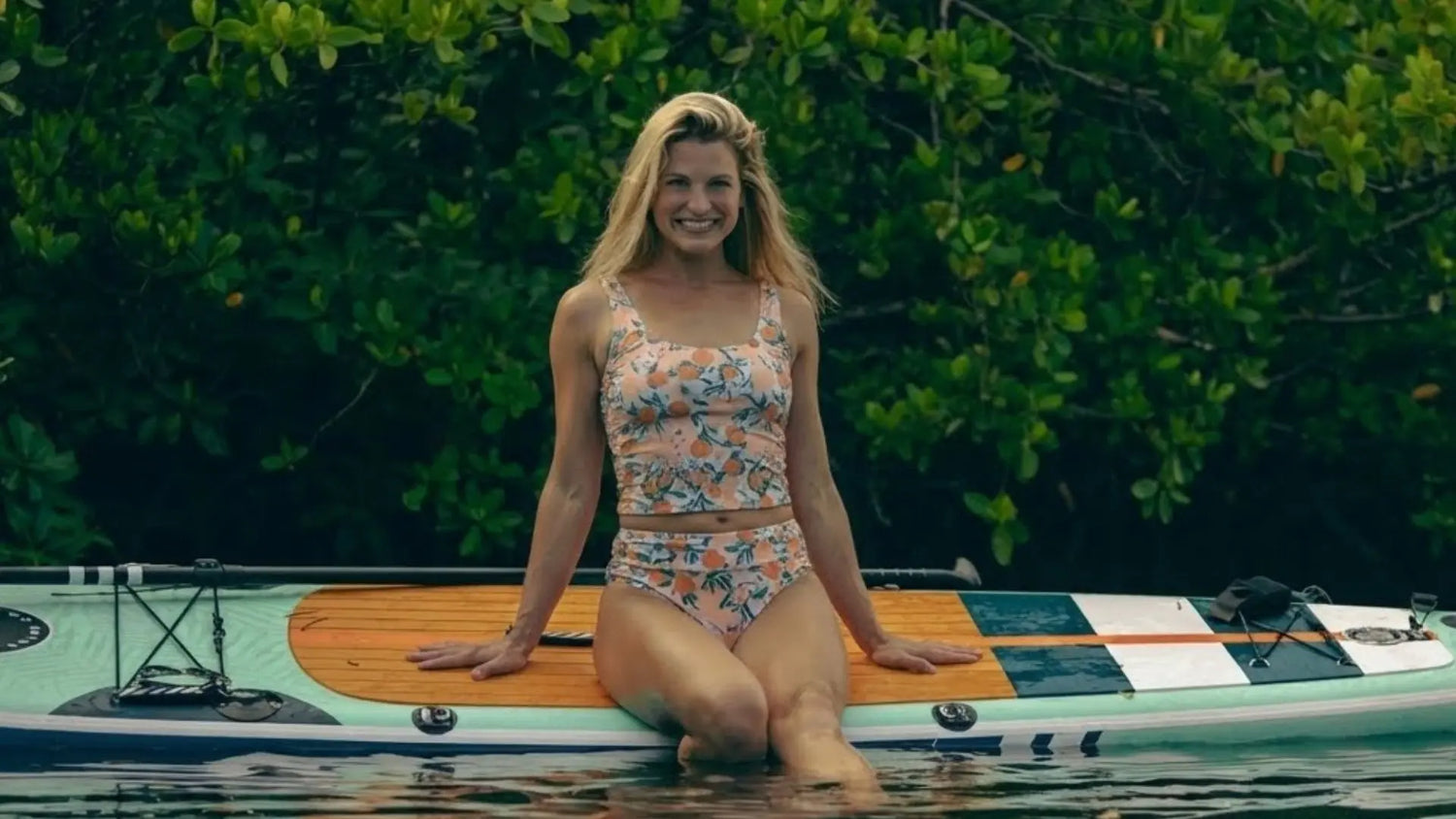
Woman sitting on an inflatable paddle board floating on calm water near greenery.

Inflatable vs Hard Paddle Boards — Which One Fits Your Paddling Needs?

Inflatable paddle boards (iSUPs) and rigid (hard) SUPs each solve different rider needs — from relaxed family days at the lake to long-distance touring — so knowing the tradeoffs helps you pick the right board. This guide explains how inflatables and hard boards are built, compares performance and maintenance, and matches board types to common uses so you can decide with confidence. The page aims to educate potential customers about marine gear, support boat owners, and guide shoppers toward the right products. Many paddlers ask whether inflatables can keep up with rigid boards in speed, stability, and longevity; we break down materials, portability, durability, upkeep, and practical use cases. You’ll find side-by-side comparisons, EAV-style specification tables, buying and care checklists, and a clear section on why Canadian Board Co. inflatable paddle boards are a strong option for buyers who want warranty-backed, travel-friendly gear. Keep reading to find what matters most for your activity, skill level, and storage or transport limits.

Two people paddleboarding on a clear day with a blue sky.

What Are Inflatable Paddle Boards and How Do They Work?

Inflatable paddle boards, commonly called iSUPs, are stand-up boards built from drop-stitch fabric sealed between layers of tough PVC. When you inflate the board to the recommended PSI the thousands of internal threads hold the top and bottom layers apart, creating a surprisingly stiff, surfable platform. Most iSUP kits include a pump, paddle, removable fin, leash, and a carry bag — everything you need to pack, travel, and store the board easily. Knowing how iSUPs are made explains why modern inflatables work well for beginners, travellers, and many recreational paddlers without the transport hassle of hard boards.

Those construction basics lead into questions about materials, durability, and how the board packs down for travel or storage.

What Materials and Construction Make Inflatable Paddle Boards Durable?

Durability in inflatables comes from multi-layer PVC laminates combined with dense drop-stitch cores that resist stretching and punctures. Advanced builds — like AIR RIDE woven drop-stitch — increase thread density and bonding between layers, improving stiffness for a given weight, while military-grade PVC adds UV and abrasion resistance where wear is highest. Reinforced rails, taped seams, and reliable valve systems reduce the chance of delamination or leaks and support longer warranties that reflect manufacturer confidence. Understanding these material details helps buyers weigh long-term resilience and repairability when comparing inflatables to rigid options.

The mechanical properties of drop-stitch fabric help explain the structural strength and behaviour of inflatable boards under load.

Mechanical Properties of Drop Stitch Fabric for Inflatable Structures

Researchers have studied the tension and shear behaviour of drop-stitch fabrics to better apply them in structures like boats, modular shelters, and sporting goods. The tests show these fabrics can form rigid, load-bearing panels when pressurised, offering light weight and resistance to bending compared with standard textile constructions. When combined with appropriate laminates or resin systems, drop-stitch panels resist corrosion and degradation while providing improved rigidity for a variety of inflatable applications.

With construction and materials understood, the next question is how portable these boards are and what that means for storage and travel.

Rolled inflatable paddle board with hand pump resting on rocky shoreline.

How Portable and Easy to Store Are Inflatable Paddle Boards?

Inflatable paddle boards deflate and pack into compact bags that fit in small trunks, closets, or even overhead compartments — a major advantage over rigid boards that need roof racks or trailers. Many iSUP packages include wheeled bags and allow for electric pumps to cut setup time to minutes, which is useful for frequent outings or multi-stop trips. That portability makes inflatables a practical choice for apartment dwellers, travellers, and paddlers using public transit or smaller vehicles, and it simplifies seasonal storage. If mobility is a top priority, sacrificing a bit of top-end stiffness for convenience is often a reasonable tradeoff.

These portability tradeoffs stand in contrast to the fixed advantages of hard boards, which we cover next.

What Are Hard Paddle Boards and What Are Their Key Features?

Hard paddle boards, or rigid SUPs, are built from foam cores wrapped in composites like epoxy, fiberglass, or carbon fibre to form a stiff hull that converts paddler power into forward motion efficiently. That construction focuses on rigidity and hydrodynamic performance, so hard boards typically glide better, track cleaner, and respond quicker — traits racers, experienced tourers, and surfers value. Rigid boards need roof racks, straps, or trailers for transport and more careful storage to avoid dings and delamination. These tradeoffs explain why riders prioritising pure performance often pick rigid boards despite the added logistics.

Those performance traits come down to the materials and layup choices used in manufacturing, which affect weight, stiffness, and repair needs.

What Materials and Design Define Hard Paddle Boards?

Hard boards normally use foam cores finished with epoxy, fiberglass, or carbon fibre shells, sometimes with wood stringers or sandwich constructions for extra strength or lighter weight. The layup and shell thickness determine stiffness and mass: carbon fibre yields very light, stiff boards for racing and advanced touring, while epoxy/fiberglass is a cost-effective balance for recreational hard boards. Design factors — rocker profile, rail shape, and fin setup — tune handling for surf, flatwater speed, or nimble turning. Maintenance focuses on repairing dings, gelcoat cracks, and potential delamination, which can require professional work for structural fixes.

These material and design choices explain why rigid boards usually outperform inflatables in speed and direct energy transfer.

How Do Hard Boards Perform in Speed and Responsiveness?

Rigid boards tend to hold an edge in glide and energy efficiency: their stiffness means each stroke sends more power into forward momentum, lowering the energy cost per kilometre for touring or racing. Their finer rails and cleaner waterlines improve tracking and top-end speed, which matters on long outings. Responsiveness — how quickly a board reacts to weight shifts and strokes — is also stronger on rigid boards, aiding surf carving and precise course corrections in races. For casual paddlers the speed gap may be small, but for performance-focused activities the responsiveness of a hard board can be decisive.

Those performance differences lead to a straightforward look at pros and cons for each board type.

What Are the Main Advantages and Disadvantages of Inflatable vs Hard Paddle Boards?

Both inflatable and hard boards offer clear strengths depending on rider priorities like portability, speed, durability, and budget. Inflatables win on convenience, safer impact characteristics, and compact storage. Hard boards win on stiffness, hydrodynamic performance, and precision handling. Drawbacks include the logistics of transporting hard boards and a potential top-end performance gap for inflatables, plus differing maintenance demands that affect long-term ownership costs. Match these tradeoffs to how you’ll actually use the board to priorities what matters most in your paddling life.

Below are the specific benefits of inflatables and the practical downsides of hard boards to help you decide.

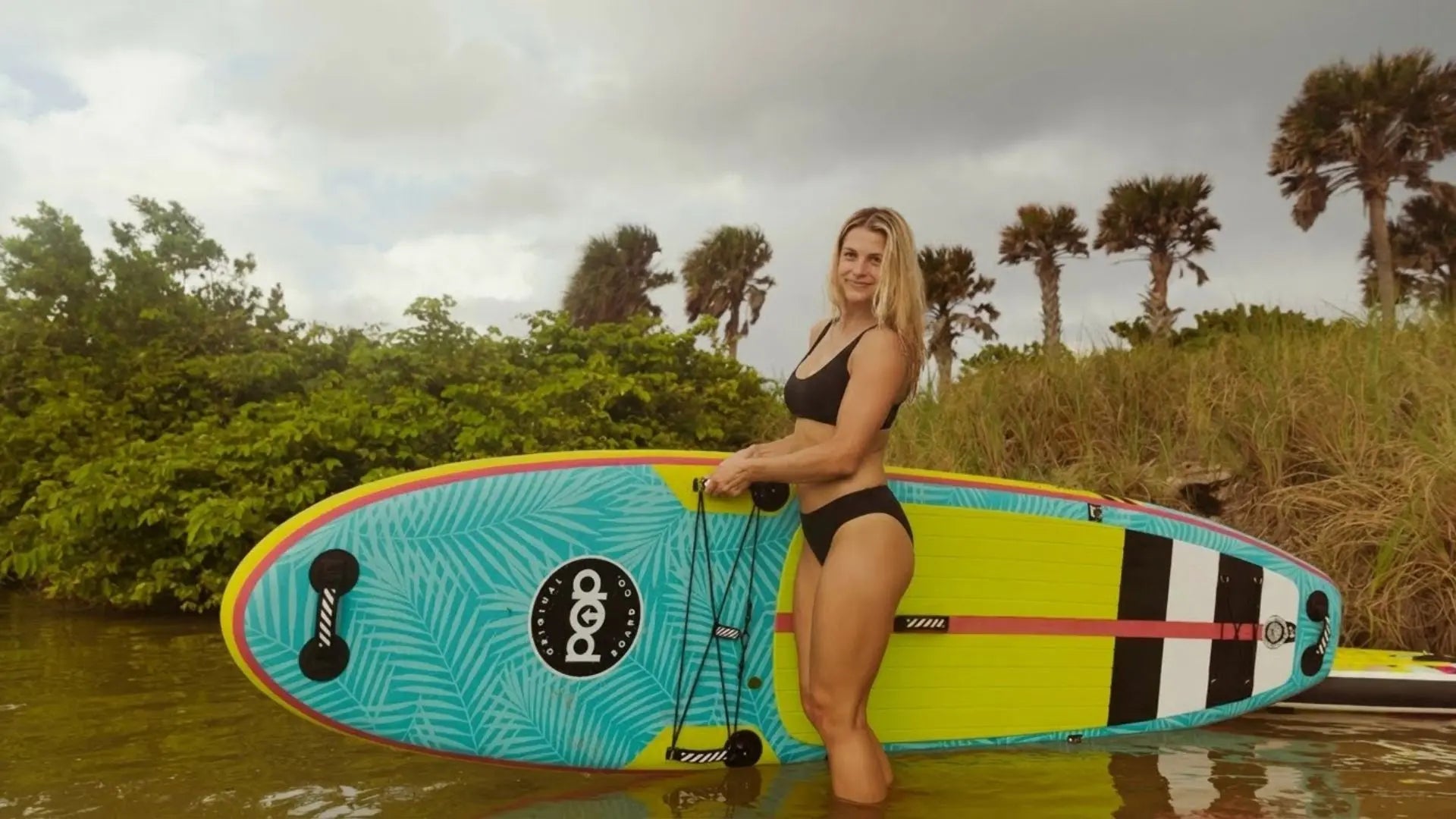
Woman standing in shallow water holding an inflatable paddle board, highlighting easy handling and transport.

What Are the Benefits of Inflatable Paddle Boards?

Inflatables deliver clear benefits in portability, safety, and versatility that match everyday paddlers’ needs. They pack into bags, offer softer impact surfaces that reduce injury risk, and often ship as complete kits with pumps, paddles, leashes, and wheeled bags for turnkey use. Inflatables suit families, mixed-ability groups, and travellers who want multi-use capability — yoga, fishing, casual touring — without the transport hassle of rigid boards. For many first-time buyers, inflatables are the practical, low-friction choice when storage or vehicle size is limited.

Key practical advantages include:

  • Transport Ease: Packs fit in cars, closets, and luggage, making travel simple.
  • Impact Safety: Softer decks reduce the severity of hits and scrapes.
  • All-in-One Kits: Many inflatables come ready to paddle right out of the box.

Taken together, these benefits make inflatables accessible for everyday paddling and family outings.

Inflatable vs hard board comparison showing portability benefits of inflatables and performance benefits of rigid boards

What Are the Pros and Cons of Hard Paddle Boards?

  • Pros: Better glide, sharper responsiveness, and higher performance potential.
  • Cons: Bulkier transport and storage, more costly professional repairs, and greater vulnerability to dings in shallow or rocky waters.
  • Summary: Choose a hard board when top performance is the priority; otherwise, an inflatable will likely better match convenience and everyday use.

How Do Inflatable and Hard Paddle Boards Compare Across Key Factors?

Looking across portability, durability, stability, speed, price, maintenance, and lifespan shows which board type suits different priorities and environments. Inflatables lead on portability and storage while hard boards lead on top-end performance and responsiveness; premium materials and build quality can narrow that gap. The EAV-style table below presents objective attributes for typical inflatable examples and a general hard board category to help your decision-making.

Board Type / Model Portability PSI / Rigidity Typical Transport Needs Warranty
Inflatable — POP El Capitan (11'6") Very high — packs to bag High when fully inflated; AIR RIDE drop-stitch Fits in car trunk or luggage 3-year warranty; 60-day Rider's Guarantee
Inflatable — POP Royal Hawaiian (10'6") Very high — travel-friendly Stiff at recommended PSI; woven drop-stitch Wheeled bag, electric pump compatible 3-year warranty; 60-day Rider's Guarantee
Hard Board (Rigid SUP) Low — bulky, needs roof rack Very high due to composite layups Roof racks, trailers, dedicated storage Varies by manufacturer; professional repairs typical

How Do Portability, Storage, and Transportation Differ?

Portability is a major dividing line: inflatables collapse into manageable bags while hard boards remain large, rigid items needing racks or trailers. Inflatable kits often come with wheeled bags and compact pumps that make multi-stop trips realistic, whereas hard boards require secure racks and careful loading to avoid damage. For city dwellers, travellers, or anyone without a garage, inflatables remove much of the logistical friction and make spontaneous paddles possible. Think about vehicle size, available storage, and travel plans to pick the transport model that matches your lifestyle.

Those transport choices feed into considerations of durability, stability, and safety for each board type.

How Do Durability, Stability, and Safety Compare?

Durability depends on materials and use: military-grade PVC and reinforced drop-stitch constructions resist punctures and abrasion for routine use, while hard boards can suffer dings and delamination that need professional attention. Stability is mainly about board shape and volume — wide, thicker inflatables offer excellent initial stability for beginners, yoga, or carrying gear, whereas narrower rigid boards tune secondary stability for speed. In terms of safety, inflatables’ softer decks typically mean gentler impacts in falls, reducing abrasions and blunt-force contact. With appropriate maintenance and matched use, both board types can be reliable choices.

Next, we’ll look at price, maintenance, and expected lifespan so you can plan ownership costs.

How Do Price, Maintenance, and Lifespan Affect Your Choice?

Prices vary with materials and brand: entry-level inflatables and hard boards cost less, while premium composites and advanced drop-stitch designs cost more. Total ownership cost depends on warranty support and repairability. Inflatable maintenance focuses on rinsing, drying, and correct inflation, with DIY patching available for small punctures; hard boards need ding repairs and possible gelcoat or delamination fixes. Lifespan depends on use and care: well-maintained inflatables built from strong materials will last many seasons, and multi-year warranties plus a Rider’s Guarantee reduce buyer risk. When comparing costs, include accessories, storage solutions, and realistic repair scenarios.

To help match boards to uses, the next section maps common activities to recommended features and models.

Which Paddle Board Is Best for Different Activities and Skill Levels?

Picking the right board depends on activity and skill: a stable platform for yoga, a long hull for efficient touring, or a wide deck for fishing. Generally, beginners and family paddlers prioritise stability and ease of use; touring and fitness paddlers prioritise glide and tracking; anglers value load capacity and mounting options. The table below links activities to recommended board types and example models, with brief reasons to guide your choice.

Activity Recommended Board Type Typical Features Example Model
Beginners & Family Inflatable, wide High volume, soft deck, easy storage POP El Capitan — stable platform
Touring Rigid or high-pressure inflatable Length for glide, good tracking, fin setup Higher-volume touring inflatables or rigid touring SUPs
Fishing Inflatable with high load capacity Mounts for accessories, bungee storage Sturdy inflatables with accessory-ready decks
Yoga Wide, flat inflatable Non-slip pad, stable footprint Wider inflatables like the POP Royal Hawaiian

Which Board Is Ideal for Beginners and Family Use?

Beginners and families usually do best with wider, high-volume inflatables that prioritise initial stability, forgiving handling, and safety features like softer decks and secure bungees. Strong drop-stitch construction gives a stable learning platform for carrying kids or pets and for packing day-trip gear, while making transport and storage easy for family outings. The POP El Capitan — with its longer, stable profile — is a good example of an inflatable built for multi-user recreational use. For family trips, pick a board with the right weight capacity, leash compatibility, and simple inflation tools for low-stress paddling.

These beginner priorities differ from the specific requirements of touring, fishing, and yoga boards.

What Are the Better Boards for Touring, Fishing, and Yoga?

Touring boards favour length and efficient hull shapes for glide; fishing boards emphasise width, load capacity, and accessory mounts; yoga boards need broad, flat decks with non-slip pads. High-pressure woven drop-stitch inflatables can approach the stiffness needed for longer touring while staying portable. Inflatable models with accessory compatibility and generous deck storage let anglers carry coolers and gear securely. For yoga, wide flat decks provide steady footing and space for mats and props. Choosing the right features for your activity delivers the best on-water experience.

Match features to use and you’ll get the most enjoyment from your board.

Why Choose Canadian Board Co. Inflatable Paddle Boards?

This section supports the page goal: to inform shoppers about marine gear, help boat owners, and guide purchases through clear product information. Canadian Board Co. highlights value drivers that matter to buyers: build quality, warranty coverage, included kits, shipping terms, and environmental commitments. Calling out these attributes helps shoppers compare guarantees and accessory bundles when weighing inflatables against rigid alternatives.

Business Offering Feature Benefit / Evidence
Construction AIR RIDE Woven Drop Stitch & military-grade PVC Improved stiffness, durability, and abrasion resistance for everyday use
Warranty & Guarantee 3-year warranty; 60-day Rider's Guarantee Reduces buyer risk and supports confident trial of the product
Kits & Accessories Pumps, paddles, leashes, wheeled bags included Ready-to-use packages lower setup friction for new owners
Shipping & Sustainability Free shipping Canada-wide over $100; carbon offsetting & ocean clean-up partnerships Lower cost to receive product and alignment with eco-conscious buyers

What Unique Features Do POP El Capitan and Royal Hawaiian Offer?

Model features help match boards to specific needs: the POP El Capitan’s 11'6" length improves glide and stability for multi-user trips and touring, while the POP Royal Hawaiian 10'6" balances portability with steady recreational performance for solo paddlers. Both boards use AIR RIDE woven drop-stitch construction and military-grade PVC to maximise stiffness while remaining travel-friendly, and they ship as kits with essential accessories for immediate use. These model details show how construction and included gear combine to support different paddling priorities without adding ownership complexity.

Beyond paddle boards, Canadian Board Co. offers products to enhance time on the water — for example, a popup aquadock for extra space to relax or dock multiple boards.

If you want more comfort and versatility on your board or dock, consider the inflatable pop-up chair set, great for lounging or fishing.

How Do Warranty, Sustainability, and Customer Guarantees Build Confidence?

Clear warranties and guarantees reduce purchase risk: a three-year warranty plus a 60-day Rider’s Guarantee gives buyers a defined window to test performance and durability. Sustainability efforts — carbon offsetting for shipments and ocean clean-up partnerships — resonate with environmentally minded paddlers. Free shipping on orders over $100 lowers the cost to receive gear across Canada. Paired with solid construction and bundled accessories, these policies act as trust signals that make the path from research to purchase easier.

These assurances lead into practical FAQs about durability, maintenance, and day-to-day ownership.

Frequently Asked Questions

1. What is the weight limit for inflatable paddle boards?

Weight limits vary by model, but most inflatables support roughly 250–400 pounds. Check the specific board’s spec sheet, since length, width, and construction affect capacity. If you plan to carry passengers or lots of gear, choose a higher-capacity board to keep stability and performance. Always follow the manufacturer’s guidance for safe use.

2. How do I choose the right size paddle board for my height and weight?

Size choice depends on both height and weight. Taller and heavier paddlers generally benefit from longer, wider boards for better buoyancy and stability. A simple rule is to choose a board at least 10–12 inches longer than your height, and favour extra width if you want more initial stability (useful for beginners or yoga). Always consult the manufacturer’s sizing chart for model-specific recommendations.

3. Can I use an inflatable paddle board in saltwater?

Yes — inflatables work in saltwater. Rinse your board with fresh water after each use to remove salt and sand, which can harm fittings and hardware over time. Boards made from high-quality, saltwater-resistant materials like military-grade PVC will be more durable in coastal conditions. Regular maintenance extends lifespan in saltwater environments.

4. How do I properly inflate and deflate my inflatable paddle board?

Use a high-pressure pump (ideally the one supplied with the board). Attach the pump to the valve and inflate to the recommended PSI, typically around 12–15 PSI. To deflate, open the valve and roll the board from the tail toward the valve to push air out efficiently. Make sure the board is fully dry before storing to avoid mildew, and always follow the manufacturer’s inflation instructions.

5. What accessories should I consider for my paddle board?

Essentials include a paddle, leash, and pump — items often included in inflatable kits. Additional useful accessories are a PFD for safety, a dry bag for valuables, and a repair kit for small punctures. For specialised use, consider rod holders for fishing or a non-slip mat for yoga. Investing in quality accessories improves safety and enjoyment on the water.

6. How do I store my inflatable paddle board during the off-season?

Store your board clean and completely dry to prevent mould and mildew. Roll it loosely and keep it in a cool, dry place out of direct sunlight. Avoid extreme temperatures, which can damage materials. If possible, use the original bag or a protective cover to guard against dust and punctures, and check on the board periodically during storage.

7. Are there any specific maintenance tips for inflatable paddle boards?

Routine care keeps your board performing well: rinse with fresh water after each use, inspect for punctures, and patch minor damage with a repair kit. Inflate to the recommended PSI and avoid over-inflation. Store the board dry in a cool place and roll it gently to avoid creases. These simple habits extend the life of your inflatable.

Are Inflatable Paddle Boards as Stable and Durable as Hard Boards?

Modern inflatables can match or even exceed stability for many recreational uses because stability depends more on dimensions and volume than on hull material. Durability comes down to construction quality — AIR RIDE woven drop-stitch and military-grade PVC provide strong resistance to punctures and abrasion for regular users. For activities that demand extreme stiffness or competitive performance, rigid boards still hold an edge, but for family outings, yoga, and travel-focused paddling, high-quality inflatables offer plenty of stability and reassuring durability. Warranties and Rider’s Guarantees are further signals of manufacturer confidence.

How Long Do Inflatable Paddle Boards Last Compared to Hard Boards?

Lifespan depends on use and care: well-maintained inflatables kept clean, dry, and stored at moderate temperatures can last many seasons. Hard boards can last longer under careful handling but are more likely to suffer dings or delamination from impacts. Multi-year warranties and rider guarantees help set expectations for durability and total cost of ownership. Regular inspections and manufacturer-recommended care extend life for both board types.

Which Paddle Board Type Is Easier to Maintain and Repair?

Inflatables are generally easier for owners to maintain and repair: small punctures can often be fixed with DIY patches and valve care prevents leaks. Hard boards with gelcoat damage or delamination may require specialist materials or professional repair. Routine upkeep for inflatables is mainly rinsing, drying, and correct storage, while rigid boards need ding repairs and careful transport to avoid structural damage. If you prefer low-maintenance ownership, a quality inflatable is typically more forgiving.

Can Inflatable Paddle Boards Handle Different Water Conditions Like Hard Boards?

Inflatables perform well on calm lakes, rivers, and protected coastal bays and can handle small surf and choppy water when properly inflated and matched to rider skill. In big surf zones or high-performance racing, rigid boards usually retain the advantage because of superior stiffness and control. High-pressure, woven drop-stitch inflatables narrow that performance gap for touring and mixed conditions, making them versatile for many paddlers. Match the expected water conditions to the board design for safer, more enjoyable outings.

How to Make the Right Paddle Board Purchase Decision for Your Needs?

Choosing the right board starts with clear priorities and a simple checklist that balances activity, transport and storage constraints, skill level, and warranty coverage. This final section gives an actionable buying checklist and suggests where to buy quality inflatables in Canada. Use the checklist to narrow options, then confirm specs, warranty terms, and included accessories before you buy.

Below is a focused buying checklist to guide your final decision.

  • Define Your Primary Activity: Pick stability for yoga or family use, glide for touring, or speed for racing.
  • Assess Transport & Storage: Choose an inflatable if you need compact storage or frequent travel.
  • Check Construction & Materials: Look for woven drop-stitch and military-grade PVC for lasting durability.
  • Review Warranty & Guarantees: Prefer multi-year warranties and trial guarantees for peace of mind.
  • Confirm Kit Contents: Make sure the pump, paddle, leash, and wheeled bag are included or budget to add them.

Beyond the board itself, accessories can improve your on-water time. For example, an inflatable pop-up dock adds a stable platform for swimming, sunbathing, or docking multiple boards.

j

What Factors Should You Consider When Choosing Between Inflatable and Hard Boards?

Prioritise activity fit, transport logistics, storage space, budget, and warranty support — these determine which tradeoffs you accept. For most casual paddlers, portability and bundled accessories tilt the choice toward inflatables; competitive paddlers will likely prefer rigid boards for performance. Doing test paddles or rentals is a great way to confirm feel before committing to a purchase.

Where Can You Buy High-Quality Inflatable Paddle Boards in Canada?

If you’re shopping in Canada, look for retailers that list clear specs, accessory bundles, and transparent warranty info. Canadian Board Co. offers inflatables with AIR RIDE woven drop-stitch construction, military-grade PVC, bundled kits, a three-year warranty, a 60-day Rider’s Guarantee, free shipping on orders over $100, and sustainability initiatives that may appeal to eco-minded buyers. If you’re unsure, rent or demo boards to confirm size and stability preferences, and read warranty terms so you understand coverage and returns before you buy.

Reading next

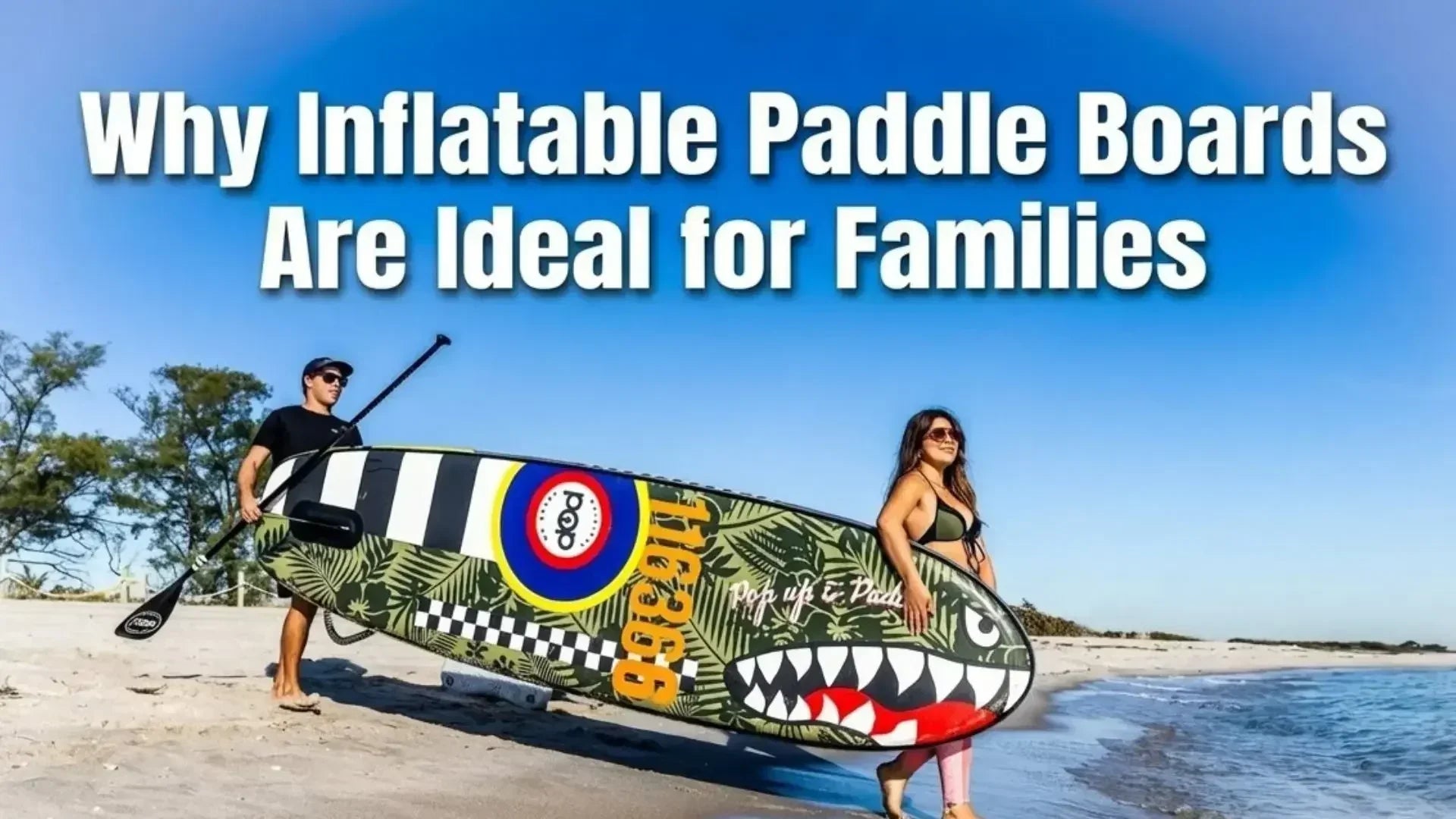
Family carrying an inflatable paddle board on the beach highlighting why inflatables are ideal for families.
Woman standing in shallow water holding an inflatable paddle board near a tropical shoreline.

Leave a comment

All comments are moderated before being published.

This site is protected by hCaptcha and the hCaptcha Privacy Policy and Terms of Service apply.