
best paddleboard

The History and Evolution of Paddle Boarding

The History and Evolution of Paddle Boarding

Stand-up paddle boarding (SUP) boasts a rich history spanning thousands of years. From rudimentary reed boats and carved wooden platforms used for fishing and travel, it has evolved into a dynamic modern sport that sharpens fitness, ignites adventure, and fosters a deeper connection with the water. Join us as we navigate SUP’s fascinating narrative: exploring ancient global practices, celebrating Hawaiian innovators, recognizing modern pioneers, examining game-changing gear, and charting the sport’s vibrant growth here in Canada. We'll delve into:

  • Ancient origins across Peru, Africa, Arabia, and Polynesia
  • The Hawaiian revival spearheaded by Duke Kahanamoku and the legendary Waikiki Beach Boys
  • Modern resurgence driven by visionaries like Laird Hamilton, Dave Kalama, Rick Thomas, and John Zapotocky
  • Equipment evolution—from traditional wood to advanced inflatable composites
  • Canada’s unique paddle boarding landscape and its remarkable expansion

Throughout this journey, you’ll discover how Canadian Board Co.—a provider of premium iSUPs and outdoor water-sports gear—honours this legacy with reliable inflatable boards and thoughtfully designed accessories for every adventure.

Where Did Paddle Boarding Begin? Unearthing Ancient Roots

The earliest forms of paddle boarding emerged from practical watercraft traditions: simple platforms, dugouts, and paddles employed for fishing, transport, and even lifesaving. These everyday solutions demonstrated how human-powered floating craft could extend human capabilities on the water—laying a foundational blueprint for the SUPs we paddle today.

How Did Peru's Caballitos de Totora Shape Early Paddle Boarding?

For over 3,000 years, Peruvian fishermen have skillfully navigated the ocean using Caballitos de Totora—narrow reed vessels expertly crafted to handle surf and strong currents while safeguarding their catch. These buoyant reed bundles proved that one could stand and use a paddle-like tool to work the waves. This ingenious practical innovation helped inspire subsequent watercraft designs and the fundamental concept of using a standing platform for both labour and leisure.

By transforming fishing craft into platforms capable of riding swells, these ancient communities established an early precedent for standing-on-board wave riding that resonates profoundly in modern SUP.

What Was the Role of African Warriors and Arabs in Early Paddle Practices?

Across Africa, dugout canoes were expertly paddled by hunters and warriors, navigating rivers for patrols and trade—techniques demanding exceptional balance and efficient power transfer. Along the Arabian Peninsula, coastal communities utilized the Hasake—a wooden board featuring slightly raised standing areas—for fishing and lifesaving. These functional boards offer compelling early examples of standing stances and paddling methods that clearly foreshadow today’s SUP skills.

These cross-cultural watercraft traditions evolved from sheer necessity, and over time, they refined the fundamental techniques we now associate with paddle boarding.

How Did Polynesian Cultures Contribute to Paddle Boarding Traditions?

Polynesian voyagers were masters of the ocean, navigating vast distances in outrigger canoes and riding waves on surfboards carved from koa and breadfruit trees, using single-blade paddles to steer and propel their craft. Their profound knowledge of wind, tides, and waves gave rise to the practice of hoe he‘e nalu—wave sliding—which directly influenced Hawaiian royalty and local watermen. This cherished tradition of standing on boards and intimately reading the ocean became central to island life and, eventually, to modern SUP.

Through navigating immense ocean routes and meticulously learning to interpret swell patterns, Polynesians forged a water-sport heritage that continues to inform paddle boarding today.

What Historical Evidence Did Captain James Cook Document About Early Hawaiian Surfing?

In 1778, Captain James Cook and his crew meticulously recorded Hawaiian ali‘i (chiefs) riding long wooden boards and employing paddles to catch waves—a vivid account of both sport and ceremony. Cook’s journals and sketches describe royals standing on koa boards as they rode swells, providing some of the earliest Western documentation of these profound island traditions. These invaluable records played a crucial role in introducing Polynesian board riding to the wider world.

Cook’s observations served as an early bridge between indigenous practices and burgeoning global curiosity, setting the stage for SUP’s later development.

The Enduring History of Stand Up Paddleboarding

Evidence unequivocally shows stand-up paddling practices stretching back thousands of years across Peru, Africa, and Polynesia, where watercraft met the essential needs of fishing, transport, and wave riding. The modern form of SUP, however, gained significant new momentum in Hawaii during the early 20th century, notably popularized by figures such as Olympic champion Duke Kahanamoku and the legendary Waikiki Beach Boys for surf instruction and observation. This period marked a pivotal transition from ancient utility to contemporary sport.

This historical context firmly supports the article’s exploration of ancient origins and the influential role Hawaiian pioneers played in shaping modern SUP.

Who Were the Key Figures in the Hawaiian Renaissance of Paddle Boarding?

The early 20th-century Hawaiian renaissance profoundly reshaped surf and paddling techniques—a generation of visionary watermen who popularized standing wave riding and helped define the sport we recognize today.

What Was Duke Kahanamoku’s Role in Modern Stand Up Paddleboarding?

Duke Kahanamoku—an Olympic swimming champion and legendary surfer—famously demonstrated stand-up riding along Hawaii’s south shore and utilized paddleboards to teach visitors. His unparalleled balance and innate wave sense showcased how SUP could be an inviting and accessible way to explore the ocean. By performing captivating exhibitions in places like California and Australia, Duke generously shared Hawaiian water culture worldwide, significantly broadening SUP’s appeal for fitness and travel.

His enduring legacy perfectly encapsulates SUP’s unique blend of athleticism, generosity, and deep cultural connection.

How Did John ‘Pops’ Ah Choy and the Waikiki Beach Boys Shape SUP?

John ‘Pops’ Ah Choy and the iconic Waikiki Beach Boys taught generations how to surf and paddle, meticulously refining stance, stroke technique, and wave etiquette. They effectively became the sport’s first informal instructors—standardizing paddle length and foot placement on heavy wooden boards—and meticulously laid the groundwork for the lesson formats still widely used today.

Their practical and welcoming teaching methods made the water more accessible and enjoyable for visitors and locals alike.

What Influence Did Leroy and Bobby Ah Choy Have on Early Paddle Techniques?

Leroy and Bobby Ah Choy were instrumental in experimenting with paddle blade shapes and board rocker profiles to extract greater efficiency and control from early equipment. They discovered that subtly curved blade edges significantly improved water grip and that a nuanced tail rocker aided pivoting on waves. These hands-on tests provided crucial insights that informed later board and paddle designs.

By combining innovative experimentation with cherished tradition, they helped shape the performance attributes that modern SUP riders now expect.

How Did Hawaiian Surfing Traditions Lead to the Birth of Modern SUP?

Hawaiian surf culture inherently emphasizes profound respect for the ocean and meticulous observation of swell, wind, and tides. That holistic approach translated naturally into stand-up paddling, encouraging people to explore serene lakes, challenging surf breaks, and undertake long tours alike. The island values of stewardship, curiosity, and adaptability are deeply woven into SUP’s modern identity.

Simply put: a cultural reverence for the sea helped forge the sport’s core ethos.

How Did Modern Paddle Boarding Pioneers Popularize the Sport?

Beginning in the 1990s, a new wave of visionary watermen propelled SUP into mainstream watersports through technical innovation, widespread media exposure, and competitive events.

What Innovations Did Laird Hamilton Bring to Stand Up Paddleboarding?

Laird Hamilton, a true icon, introduced revolutionary tow-in techniques for conquering colossal waves, championed lighter composite boards to minimize drag, and spectacularly showcased SUP in extreme conditions like Maui’s legendary Jaws. He also played a pivotal role in developing hydrofoil paddleboards, expanding SUP into wind-assisted and foiling applications—demonstrating the sport’s remarkable adaptability in challenging big-water scenarios.

Hamilton’s groundbreaking work inspired countless riders and manufacturers to relentlessly test the limits of both technique and technology.

How Did Dave Kalama Contribute to SUP’s Global Expansion?

Renowned waterman Dave Kalama collaborated closely with Hamilton to refine board shapes and paddling methods, leading epic ocean crossings and producing invaluable instructional media that introduced SUP to vast new audiences. His strong emphasis on open-ocean touring and tandem paddling significantly broadened SUP’s utility beyond traditional surf spots.

Kalama’s unique blend of ancestral knowledge and modern exploration helped establish SUP as a truly versatile adventure sport.

What Was Rick Thomas’s Role in the California SUP Boom?

Rick Thomas was instrumental in organizing early paddle races and timed tours in iconic locations like Malibu and Huntington Beach. He introduced adjustable carbon-fiber paddles and early inflatable prototypes, and effectively put these events on the map with robust local media coverage. His tireless efforts made the sport more accessible and portable, helping to firmly establish California as a crucial SUP hub.

By combining energetic grassroots events with astute promotion, he significantly grew both community engagement and industry momentum.

How Has John Zapotocky Influenced Contemporary Paddle Boarding?

John Zapotocky—often affectionately called the “enduring paddler”—pushed the boundaries of marathon paddling, including challenging crossovers like the Waikiki Roughwater and the Molokai-to-Oahu race. He passionately advocated for SUP marathon categories and inspired a generation of long-distance paddlers, unequivocally proving the sport’s capacity for ultra-endurance challenges and profoundly influencing gear trends for endurance paddling.

His unwavering focus on sustainable pacing and endurance continues to shape competitive and recreational SUP culture.

What Are the Key Technological Advances in Paddle Board Equipment?

Paddle board gear has undergone remarkable evolution driven by material science, manufacturing precision, and rider-focused design—all aimed at enhancing stability, portability, and promoting more environmentally responsible choices.

How Did Paddle Boards Evolve from Wooden Designs to Modern Composites?

Early boards were meticulously carved from solid koa or redwood—offering stiffness but considerable weight. Hollow wooden hulls, introduced in the 1920s, significantly reduced weight while maintaining structural integrity. Later, foam cores wrapped in fiberglass and epoxy dramatically improved strength-to-weight ratios. Today, advanced carbon-fiber composites deliver unparalleled stiffness and responsiveness for specialized surf and touring boards.

These continuous material advances have driven meaningful gains in performance, handling, and overall versatility.

Rolled inflatable paddle board with hand pump and paddle on rocky terrain.

What Is the History and Impact of Inflatable Stand Up Paddle Boards (iSUPs)?

iSUPs burst onto the scene in the early 2000s, leveraging innovative drop-stitch construction and high-pressure PVC that allowed inflatables to achieve solid-board-like rigidity. Their inherent portability and effortless storage opened up SUP to a broader demographic, including travellers, apartment dwellers, and anyone seeking simpler transport than a traditional roof rack.

Board Model Packed Size Weight Key Benefit
11'6 El Capitan Inflatable SUP 36" × 18" × 18" 25 lb Engineered for durable rigidity on extended tours
10'6 Royal Hawaiian 2024 iSUP 34" × 17" × 17" 23 lb Offers an ideal balance of stability and surf agility
11'0 Yacht Hopper Teak Blue Mint 35" × 17.5" × 17.5" 24 lb Features a sophisticated deck for versatile performance

Because they are remarkably easy to move, store, and travel with, inflatable boards have significantly broadened the paddling community and eliminated major storage hurdles—a critical factor behind their rapid market growth.

What Are the Benefits of Inflatable SUPs Compared to Solid Boards?

Here are the primary reasons many paddlers are now choosing inflatables:

  • Unmatched portability — most iSUPs conveniently pack into a backpack, allowing you to forgo the roof rack entirely.
  • Exceptional durability — reinforced PVC construction stands up remarkably well to impacts and rough shorelines.
  • Flexible storage — simply deflate and tuck boards into closets, RVs, or even small apartments with ease.
  • Significant weight savings — modern drop-stitch iSUPs can achieve stiffness comparable to solid boards while weighing considerably less.

These compelling benefits make inflatable designs ideal for travellers, families, and new paddlers, dramatically widening SUP’s overall appeal.

Technological Advancements in Inflatable Stand Up Paddle Boards

Stand-up paddleboarding equipment has undergone a profound transformation, shifting from traditional carved wood to engineered composites and, more recently, to highly rigid inflatable SUPs. Groundbreaking advances in drop-stitch technology and high-pressure PVC now allow iSUPs to perform with the stability and responsiveness of solid boards, while offering superior portability and significantly easier storage—a powerful combination that has fuelled rapid market growth and democratized access to the sport.

This research reinforces the article’s points about equipment evolution and the practical advantages that modern inflatable designs bring to paddlers.

How Has Paddle Boarding Developed in Canada?

Canada’s immense network of pristine lakes, winding rivers, and diverse coastlines has fostered a thriving SUP community that embraces everything from relaxed paddling and fitness to exhilarating wilderness exploration.

What Are the Most Popular Canadian Lakes, Rivers, and Coastlines for Paddle Boarding?

  • Lake Louise (Alberta) – Glide across breathtaking turquoise glacial water framed by soaring, majestic peaks.
  • Okanagan Lake (BC) – Enjoy serene summer paddles amidst warm waters, picturesque vineyards, and lush orchards.
  • Lake Ontario Shoreline (Ontario) – Discover captivating urban-to-nature routes offering striking skyline views.
  • Muskoka Lakes (Ontario) – Explore classic cottage-country waterways, perfect for relaxed and scenic adventures.
  • Magdalen Islands (Quebec) – Experience unique coastal paddling along dramatic red sandstone cliffs and vibrant seascapes.

Woman sitting on an inflatable paddle board in the water wearing a floral tankini, demonstrating stability for family-friendly SUP use.

How Has Canadian Board Co. Influenced Paddle Boarding in Canada?

From our Calgary distribution hub, Canadian Board Co. has proudly introduced reliable inflatables like the 11'6 El Capitan and the 10'6 Royal Hawaiian 2024, meticulously built to perform exceptionally even in Canada’s colder conditions. Our innovative lineup also includes versatile modular pieces such as the Pop-Up Aquadock 14' × 7' × 6', the Inflatable Pop-Up Chair Set, and the Inflatable Pop-Up Dock—all thoughtfully designed to make lake days easier, more comfortable, and undeniably more fun.

By consistently offering durable, high-quality gear and providing attentive customer support, Canadian Board Co. has become a trusted partner for families, rental operators, and watersports businesses across the nation.

What Is the Growth Trend of Paddle Boarding in Canadian Outdoor Recreation?

SUP participation in Canada has experienced a sharp ascent, with estimated annual growth rates exceeding 12% since 2020. This surge of interest in low-impact exercise and socially distanced outdoor activities has fuelled the proliferation of community events, popular SUP yoga classes, guided eco-tours, and robust rental programs on major waterways. Current sales data indicate that inflatables now constitute roughly 70% of the domestic market—a clear sign that portability and convenience are paramount priorities for Canadian paddlers.

This impressive growth unequivocally highlights SUP’s established place as a central and cherished activity within Canada’s vibrant outdoor recreation scene.

Discover Our Boards

Ready to Start Your Own SUP Journey?

Explore Canadian Board Co.'s premium selection of inflatable paddle boards and accessories, designed for every adventure, from serene lake paddles to challenging coastal explorations.

The Future of Paddle Boarding: Innovation and Community

The journey of paddle boarding—from ancient craft to modern sport—is far from over. Innovation continues to drive equipment design, with new materials and technologies constantly emerging to enhance performance, durability, and environmental sustainability. Beyond the gear, the heart of SUP lies in its growing global community, fostering connections through shared experiences on the water.

What Emerging Technologies Are Shaping the Next Generation of SUP?

The future of SUP equipment is exciting, with several key areas of innovation:

  • Advanced Composites: Lighter, stronger, and more eco-friendly resins and fibres are being developed for rigid boards, pushing performance boundaries.
  • Smart iSUPs: Integrated sensors for tracking performance data (speed, distance, stroke rate) and even GPS navigation are becoming more common.
  • Sustainable Materials: A growing focus on biodegradable materials, recycled plastics, and plant-based composites aims to reduce the sport's environmental footprint.
  • Modular Designs: Boards that can be easily customized with different fin setups, seating options, or even converted into kayaks are gaining popularity.

These advancements promise to make paddle boarding even more accessible, enjoyable, and responsible for future generations.

How Is the Global SUP Community Evolving?

The global SUP community is thriving, characterized by its inclusivity and diverse activities:

  • Environmental Stewardship: Paddlers are increasingly involved in clean-up initiatives and advocating for water conservation.
  • Adaptive Paddling: Programs are expanding to make SUP accessible for individuals with disabilities, promoting inclusivity.
  • Competitive Growth: From sprint races to ultra-marathons, the competitive circuit continues to grow, attracting athletes worldwide.
  • Wellness and Mindfulness: SUP yoga, meditation, and fitness classes are gaining traction, highlighting the sport's mental and physical benefits.

This evolving community underscores SUP's role not just as a sport, but as a lifestyle that promotes health, connection, and respect for nature.

Connect With Us

Join the Canadian Board Co. Community!

Stay connected with fellow paddlers, get expert tips, and be the first to know about new gear and exclusive offers.

Reading next

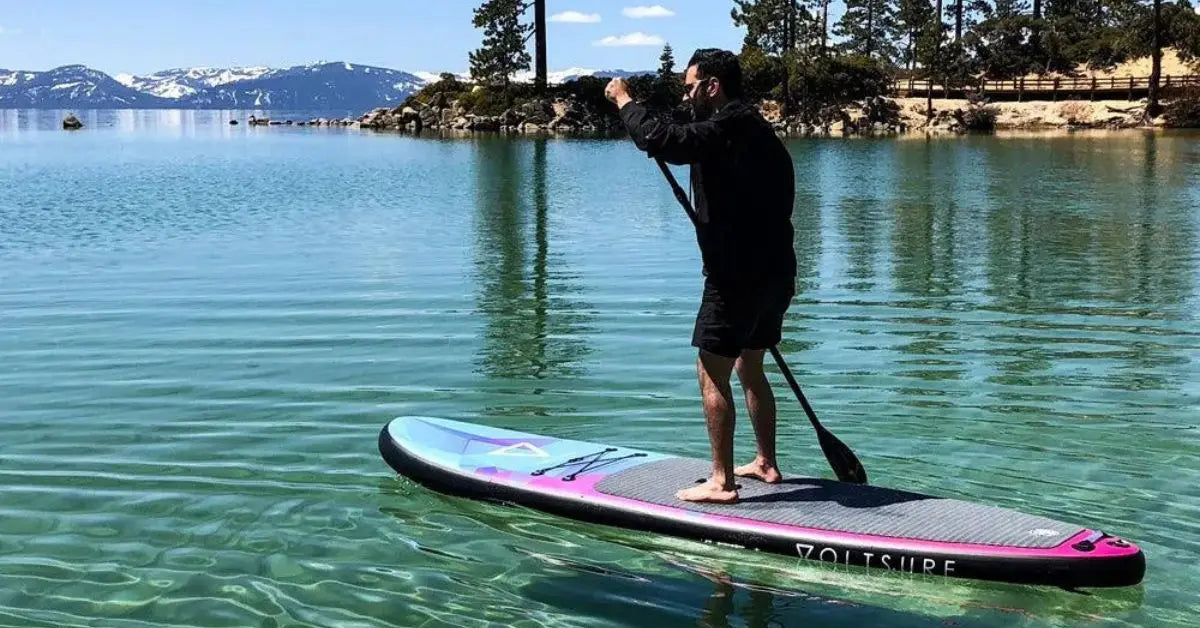
Man paddleboarding on an inflatable SUP in a clear mountain lake surrounded by pine trees and snowcapped peaks.
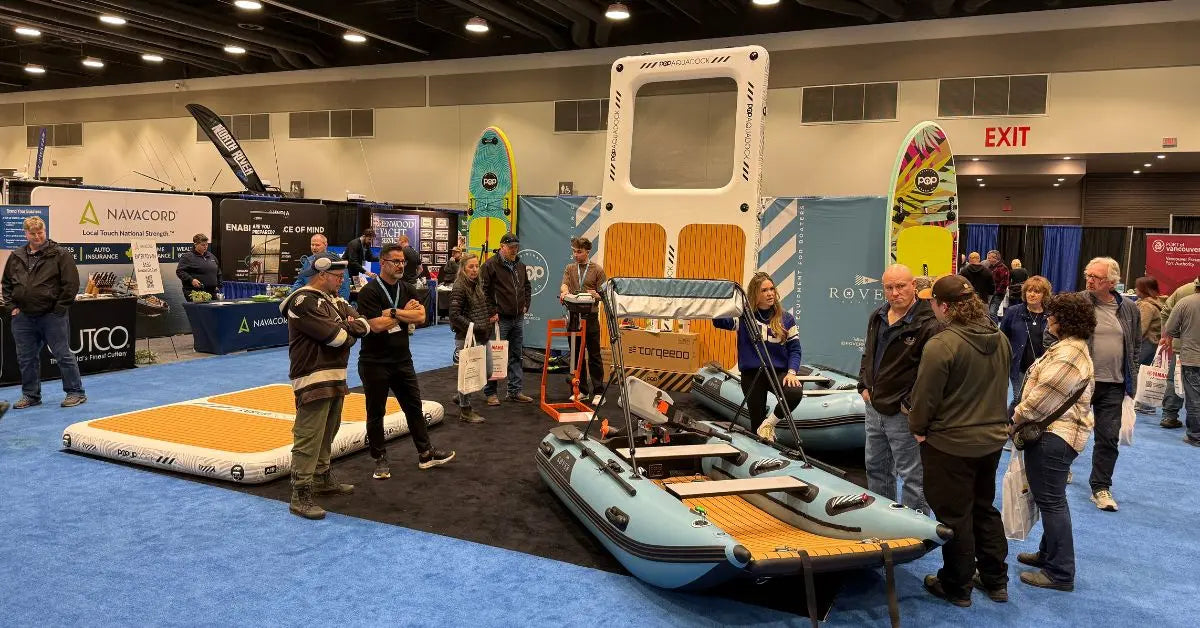
The 2026 Boat Show Recap: Why Inflatable Docks Were the Real Stars (And What You Missed)

Leave a comment

All comments are moderated before being published.

This site is protected by hCaptcha and the hCaptcha Privacy Policy and Terms of Service apply.