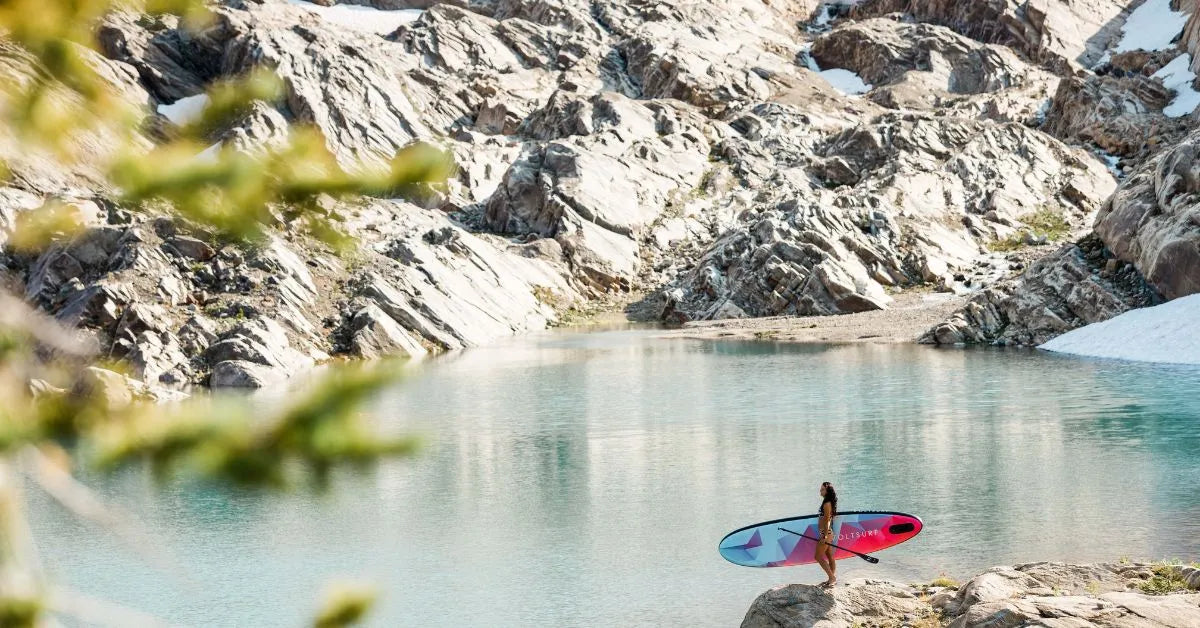
Welcome to Canada's Thriving Stand-Up Paddleboard Community
Stand-up paddleboarding has exploded across Canada, transforming from a niche water sport into a vibrant community spanning coast to coast. From British Columbia's ocean swells to Ontario's cottage lakes, Quebec's rivers to the Maritimes' protected bays, Canadian paddleboarders are building connections, organizing events, and creating inclusive spaces for riders of all levels.
Whether you're a solo paddler looking for your first group paddle, a fitness enthusiast seeking SUP yoga classes, or an experienced rider wanting to connect with the racing scene, Canada's SUP community offers multiple entry points to find your tribe.

Why Join the Canadian SUP Community?
Safety in Numbers
Paddling with others dramatically improves safety, especially in Canadian waters where conditions can change rapidly. Group paddles provide:
- Immediate assistance if someone falls or experiences equipment failure
- Shared knowledge about local conditions, hazards, and weather patterns
- Accountability and motivation to paddle safely within your skill level
- Emergency support in remote locations
Skill Development
Community connections accelerate your progression:
- Learn proper technique from experienced paddlers
- Discover new locations and hidden gems
- Get equipment recommendations based on real Canadian conditions
- Access coaching and instruction through clubs and events
Social Connection
The SUP community attracts like-minded outdoor enthusiasts:
- Build friendships around shared passion for water sports
- Find paddling partners for spontaneous sessions
- Connect across age groups and fitness levels
- Create traditions around seasonal paddles and events

Types of Canadian SUP Communities
Local SUP Clubs & Meetup Groups
Grassroots clubs form the backbone of Canada's SUP scene. These volunteer-run organizations typically offer:
Regular group paddles: Weekly or bi-weekly sessions at consistent locations, often with beginner-friendly options and more advanced routes.
Skill clinics: Focused instruction on technique, safety, rescue skills, and equipment knowledge.
Social events: End-of-season celebrations, equipment swaps, film screenings, and community gatherings.
Advocacy: Working with municipalities on water access, safety regulations, and paddling infrastructure.
Finding Local Clubs
Search strategies for discovering clubs in your area:
- Facebook Groups: Search "[Your City] SUP," "[Your City] Paddleboard," or "[Your Province] Stand Up Paddleboard"
- Meetup.com: Active in major Canadian cities for organizing group paddles
- Local paddle shops: Retail locations often host or know about community groups
- Municipal recreation departments: Many cities coordinate paddling programs
- Conservation authorities: Organizations managing waterways often facilitate paddling groups
SUP Yoga Communities
SUP yoga has become one of the fastest-growing segments of Canadian paddleboarding, combining fitness, mindfulness, and water connection.
Studio-organized sessions: Yoga studios offering SUP yoga as seasonal programming, typically June through September in most of Canada.
Independent instructors: Certified SUP yoga teachers running private sessions and small group classes.
Resort and cottage programming: Tourism operators incorporating SUP yoga into wellness retreats and vacation packages.
Community classes: Donation-based or low-cost sessions organized through parks and recreation departments.
What to Expect
- Classes typically 60-75 minutes including setup and water time
- Calm, protected water locations (bays, calm lakes, marina areas)
- Boards provided or BYOB (bring your own board)
- Modified yoga sequences designed for water stability
- Emphasis on core engagement and balance
- Expect to fall—it's part of the experience and the fun
Racing & Competitive Communities
Canada's SUP racing scene ranges from casual fun races to elite-level competitions:
Sprint races: Short-distance technical courses (200m-1km) emphasizing speed and maneuverability.
Distance races: Longer endurance events (5km-20km+) testing stamina and pacing strategy.
Downwind races: Ocean and large lake events using wind and swell for high-speed runs.
Multi-discipline events: Combining SUP with other sports (SUP-run biathlons, adventure races).
Getting Started in Racing
- Start with local fun races—low-pressure, beginner-friendly events
- Rent or demo race-specific boards before investing
- Join training groups through clubs or shops
- Focus on technique and efficiency before speed
- Consider inflatable touring boards as entry-level race platforms
Touring & Adventure Communities
Multi-day paddling expeditions and adventure-focused groups attract explorers:
Coastal touring: Multi-day ocean expeditions along BC's coast, the Maritimes, and Great Lakes shorelines.
River expeditions: Flatwater river touring through scenic waterways.
Lake-to-lake adventures: Portage-based trips connecting water systems.
SUP camping: Overnight trips combining paddling with backcountry camping.
Skills for Adventure Paddling
- Navigation and route planning
- Weather interpretation and forecasting
- Self-rescue and assisted rescue techniques
- Gear management and waterproof packing
- Leave No Trace principles for water-based camping
SUP Fishing Communities
SUP fishing has created dedicated communities focused on angling from paddleboards:
Species-specific groups: Communities targeting bass, pike, trout, or saltwater species.
Tournament circuits: Competitive SUP fishing events with prizes and rankings.
Gear enthusiasts: Forums and groups sharing rigging setups, tackle recommendations, and modifications.
Conservation focus: Catch-and-release ethics and habitat protection advocacy.
Major Canadian SUP Events & Festivals
British Columbia
Vancouver Island SUP events: Multiple races and festivals throughout summer on Vancouver Island's protected waters.
Okanagan Lake races: Interior BC's lake system hosts distance and sprint events.
Coastal challenges: Ocean-based races utilizing Pacific swells and coastal conditions.
Ontario
Muskoka region events: Cottage country hosts numerous races and group paddles.
Great Lakes challenges: Open-water events on Lake Ontario, Lake Huron, and Georgian Bay.
Urban paddles: Toronto and Ottawa organize city-based events and group sessions.
Quebec
St. Lawrence River events: Utilizing Quebec's iconic waterway for races and tours.
Laurentian lake races: Mountain lake settings for scenic competitions.
Montreal urban paddling: City-based community events and group sessions.
Maritimes
Coastal festivals: Nova Scotia and New Brunswick ocean-based events.
Bay of Fundy challenges: Unique tidal conditions create distinctive paddling experiences.
Island tours: Prince Edward Island's protected bays host touring events.
Prairies & North
Alberta lake events: Mountain and prairie lake races.
Saskatchewan river paddles: Flatwater touring on prairie rivers.
Northern expeditions: Remote wilderness paddling in Canada's territories.
Online Canadian SUP Communities
Facebook Groups
Facebook remains the primary hub for Canadian SUP communities:
National groups:
- "Stand Up Paddleboarding Canada" - Nationwide community
- "Canadian SUP Enthusiasts" - General discussion and marketplace
- "SUP Canada Buy & Sell" - Equipment marketplace
Regional groups:
- "BC SUP Community"
- "Ontario Paddleboard Community"
- "Quebec SUP / Planche à Pagaie Quebec"
- "Maritime SUP Community"
City-specific groups: Most major Canadian cities have dedicated SUP groups (search "[City Name] SUP" or "[City Name] Paddleboard")
Instagram Communities
Visual storytelling and location discovery:
Hashtags to follow:
- #CanadianSUP
- #SUPCanada
- #PaddleCanada
- #[Province]SUP (e.g., #BCSUP, #OntarioSUP)
- #GreatLakesSUP
- #SUPYoga
Finding local paddlers: Search location tags for your area's lakes, beaches, and waterways to discover active community members.
Reddit Communities
Discussion-focused platforms for gear advice and trip planning:
- r/Sup - International SUP community with Canadian participation
- r/paddleboarding - General paddleboarding discussion
- Provincial outdoor recreation subreddits often include SUP content
YouTube Channels
Canadian SUP content creators sharing technique, reviews, and adventures:
- Technique tutorials and skill progression
- Gear reviews focused on Canadian conditions
- Trip reports and location guides
- Race coverage and event highlights
Getting Started: Your First Community Paddle
Before You Go
Verify your skill level matches the event: Most groups clearly indicate beginner, intermediate, or advanced sessions. Don't overestimate your abilities—Canadian waters can be challenging.
Check equipment requirements: Confirm whether boards are provided or if you need to bring your own. If you're new to the sport, consider starting with an inflatable paddleboard for versatility and portability.
Understand safety requirements: Transport Canada mandates PFDs (personal flotation devices) for all paddlers. Bring your own or confirm the organizer provides them.
Review the route and conditions: Know the distance, estimated time, and water conditions. Check weather forecasts and be prepared to cancel if conditions deteriorate.
What to Bring
- Safety gear: PFD, whistle, leash
- Hydration: Water bottle (consider a cup holder attachment)
- Sun protection: Sunscreen, hat, sunglasses with retention strap
- Appropriate clothing: Quick-dry materials, wetsuit if water is cold
- Dry bag: For phone, keys, and valuables
- Snacks: Energy bars or fruit for longer paddles
Group Paddle Etiquette
Arrive on time: Respect organizers and other participants by arriving 10-15 minutes early for safety briefings.
Communicate your skill level honestly: This helps organizers group paddlers appropriately and ensures everyone's safety.
Stay with the group: Don't paddle ahead or lag behind without communicating with leaders.
Offer assistance: Help others launch, land, and carry equipment. Community is built through mutual support.
Leave no trace: Pack out everything you bring in. Respect waterways and shorelines.
Thank organizers: Most community paddles are volunteer-run. Express appreciation for their time and effort.
Building Your Own SUP Community
Don't see a community in your area? Consider starting one:
Start Small
Begin with informal paddles with friends and acquaintances. Post on local Facebook groups or community boards inviting others to join.
Establish Consistency
Regular schedules build community. "Every Saturday at 9am" is easier to remember and plan around than sporadic events.
Prioritize Safety
Develop clear safety protocols, require PFDs, establish skill-level guidelines, and have emergency plans.
Create Inclusive Spaces
Welcome all skill levels, body types, ages, and backgrounds. Explicitly state your group is beginner-friendly if that's your focus.
Leverage Social Media
Create a Facebook group or Instagram account to coordinate paddles, share photos, and build community identity.
Partner with Local Businesses
Paddle shops, outdoor retailers, and waterfront businesses often support community groups through sponsorship, equipment demos, or event hosting.
Seasonal Considerations for Canadian SUP Communities
Spring (April-May)
Challenges: Cold water temperatures (hypothermia risk), unpredictable weather, limited daylight in early spring.
Community focus: Skill refreshers, equipment prep workshops, early-season social events.
Safety emphasis: Wetsuits or drysuits recommended, shorter paddles closer to shore.
Summer (June-August)
Peak season: Warmest water, longest days, most events and group paddles.
Community activities: Weekly group paddles, SUP yoga, races, festivals, multi-day tours.
Considerations: Crowded waterways, increased boat traffic, intense UV exposure.
Fall (September-October)
Shoulder season: Beautiful conditions, fewer crowds, stunning foliage in many regions.
Community focus: End-of-season celebrations, equipment sales and swaps, planning for next year.
Safety considerations: Cooling water temperatures, shorter days, unpredictable weather.
Winter (November-March)
Off-season: Most of Canada sees frozen waterways and prohibitive conditions.
Community activities: Indoor fitness training, equipment maintenance workshops, trip planning sessions, film screenings, social gatherings.
Year-round paddling: Coastal BC and some Maritime locations offer winter paddling for experienced, properly equipped paddlers.
Canadian SUP Community Values
Environmental Stewardship
Canadian paddlers increasingly prioritize waterway protection:
- Participating in shoreline cleanups
- Advocating for water quality and habitat protection
- Practicing Leave No Trace principles
- Supporting conservation organizations
Inclusivity & Accessibility
Progressive communities work to remove barriers:
- Adaptive paddling programs for people with disabilities
- Affordable or free equipment lending programs
- Multilingual communication in diverse communities
- Body-positive messaging and representation
Indigenous Water Connections
Recognizing and respecting Indigenous relationships with waterways:
- Acknowledging traditional territories where we paddle
- Learning about Indigenous water stewardship practices
- Supporting Indigenous-led paddling programs and events
- Respecting sacred sites and culturally significant locations
Frequently Asked Questions
Do I need my own board to join community paddles?
It depends on the group. Some community paddles are BYOB (bring your own board), while others partner with rental shops or have equipment available. Always check event details before attending. If you're considering purchasing your first board, explore our inflatable paddleboard collection for versatile, portable options ideal for Canadian conditions.
What skill level do I need for group paddles?
Most communities offer beginner-friendly sessions specifically designed for new paddlers. Look for events labeled "beginner," "all levels," or "learn to SUP." Be honest about your experience level when signing up—organizers appreciate transparency for safety planning.
Are SUP communities welcoming to solo paddlers?
Absolutely. Many community members started as solo paddlers looking for connection. Group paddles are specifically designed to bring individual paddlers together. Expect friendly, welcoming atmospheres focused on shared passion for the sport.
How do I find SUP events in my area?
Start with Facebook groups for your city or region, check local paddle shop websites and social media, search Meetup.com, and follow regional SUP Instagram accounts. Many communities maintain event calendars or regular posting schedules.
What's the cost to join SUP communities?
Most grassroots community paddles are free, organized by volunteers. Some groups request small donations to cover insurance or website costs. Organized events, races, and festivals typically charge entry fees ($20-100+ depending on the event). SUP yoga classes range from donation-based to $30-50 per session.
Can I bring my dog to community paddles?
Policies vary by group and location. Some communities welcome dogs (with proper safety gear like life vests), while others prohibit them due to safety concerns or waterway regulations. Always ask organizers before bringing your dog, and ensure your dog is comfortable on water and won't disrupt other paddlers.
What if I fall during a group paddle?
Falling is normal and expected, especially for beginners. Experienced group leaders know how to assist paddlers who fall, and the group will wait while you remount. Wear your PFD, stay calm, and follow the remounting technique you learned during the safety briefing. Community paddles are judgment-free zones—everyone falls sometimes.
How do Canadian SUP communities handle cold water safety?
Responsible communities prioritize cold water safety through shorter routes closer to shore, mandatory PFDs, buddy systems, and recommendations for wetsuits or drysuits when water temperatures are below 15°C (60°F). Many groups reduce or pause activities during spring and fall when hypothermia risk is highest.
Take the Plunge: Join Canada's SUP Community Today
Canada's stand-up paddleboard community offers something for everyone—from casual recreational paddlers to competitive racers, from solo adventurers to social butterflies, from fitness enthusiasts to nature lovers. The connections you build on the water extend far beyond paddling, creating friendships, shared adventures, and a deeper relationship with Canada's incredible waterways.
Start by finding one local group paddle, one SUP yoga class, or one online community. Show up, be open, and let Canada's welcoming SUP community embrace you. The water is waiting, and your tribe is out there.
Ready to gear up for your first community paddle? Explore our complete paddleboard collection to find the perfect board for Canadian waters, or check out our inflatable paddleboard options for versatile, portable platforms ideal for group paddles and events.

Leave a comment
All comments are moderated before being published.
This site is protected by hCaptcha and the hCaptcha Privacy Policy and Terms of Service apply.