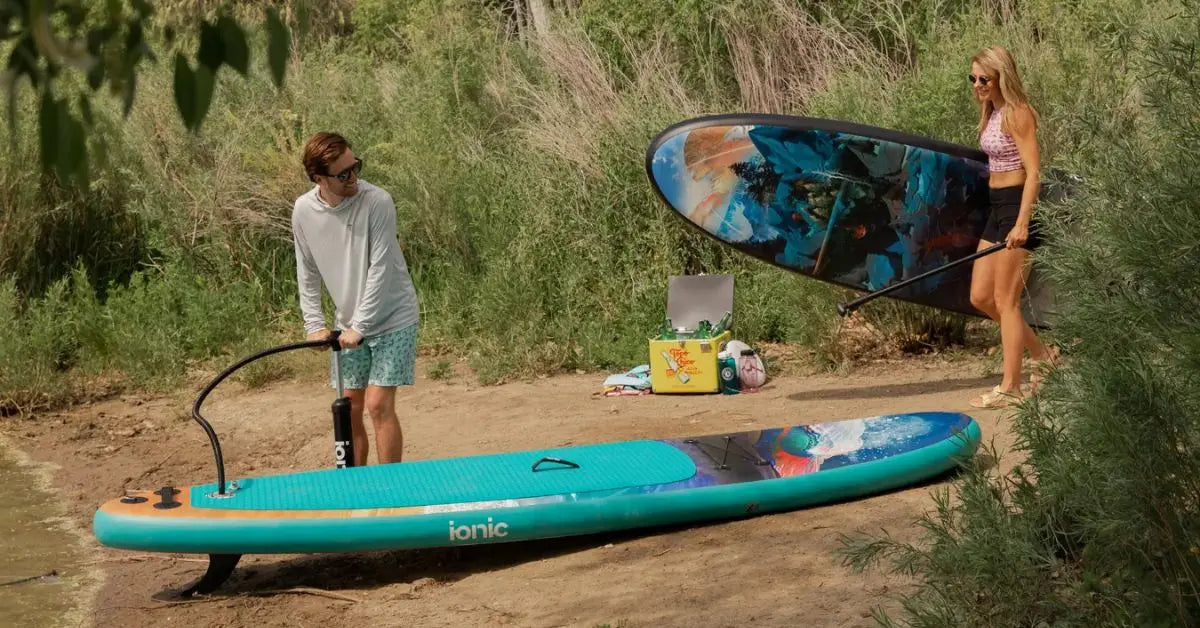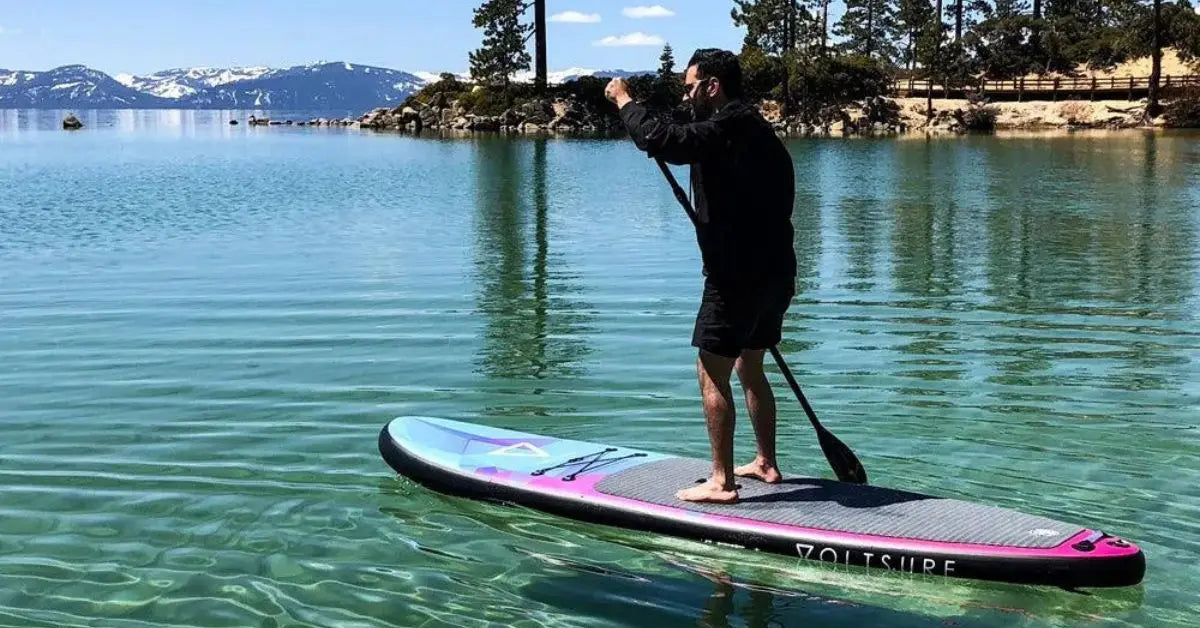

A family-friendly inflatable paddle board is a high‑volume SUP built for stability and load capacity so it can safely carry people, gear and pets while staying easy to handle on lakes, slow rivers and sheltered coastal water. This guide walks through why stability and weight capacity matter for families, how construction affects long‑term performance, which accessories make outings safer and comfier, and where to paddle in Canada with kids and dogs. You’ll get simple formulas for multi‑rider weight planning, clear stability checklists, and maintenance tips that keep a board working through busy seasons. Short examples, decision lists and comparison tables help you match real family needs to board specs. We also reference a family exemplar board to show how design choices translate to safe, enjoyable paddling.
What Makes a Paddle Board Family Friendly and Stable?
A family‑friendly, stable SUP combines more surface area, higher volume and construction that limits flex so the board resists tipping when people move, sit or stand. Stability comes from a wider stance platform and greater displacement, which reduce roll and keep the board from sinking under load. A flat, full deck and a generous width give beginners and kids an easier balance point and a secure spot for a child or pet. Below we explain why those stability traits matter for learning and safety, then show how a purpose‑built family board translates dimensions into confidence on the water.
Key stability features families should check include width, thickness, deck shape and overall rigidity.
- Width: More beam gives better lateral stability and room for comfortable stances.
- Thickness/Volume: Extra thickness increases buoyancy and payload for multi‑rider outings.
- Deck Shape: A flat, full planing hull provides a steady platform for standing, sitting or playing.
- Construction Rigidity: Stiffer boards rock less and feel closer to a hard board under load.
Together these four design points create a predictable, family‑friendly platform that shortens the learning curve and makes on‑board activities — from fishing to picnicking — practical and safe.

Why Is Stability Crucial for Kids and Beginners on Inflatable SUPs?
Stability lowers how often and how hard people fall, so children and new paddlers gain confidence faster. A broad, steady deck lets novices practice strokes and balance instead of constantly recovering from capsizes, which speeds learning and increases fun. For families, stability also makes transitions (sitting to standing, carrying a toddler, or having a dog aboard) safer and more relaxed. Prioritizing stability builds better on‑water habits and reduces stress for supervising adults, which means more repeat outings and happier memories.
With that in mind, the next section uses a family‑focused model to show how specific specs deliver those stability benefits.
How Does the El Capitan Paddle Board Ensure Unparalleled Stability for Families?
The El Capitan family model illustrates how targeted dimensions and construction create stability: at 11'6" long, 36" wide and 6" thick it provides significant volume and a wide platform that reduce roll and increase buoyancy under heavy loads. Boards with this width let two adults, a child and a small dog share deck space with less lateral movement, while the thicker profile supports higher weight without sagging. Stiff construction keeps flex to a minimum, so paddler effort turns into forward motion rather than unwanted bending. The El Capitan is an easy way to picture how width, length and thickness translate to steadier, more predictable paddling for mixed groups.
If stability is your priority, look for boards with similar dimensions and construction that emphasize stiffness and roomy deck area for multi‑person use.
How to Choose an Inflatable Paddle Board with the Right Weight Capacity for Multiple Riders?
Weight capacity determines whether a board can carry your group and gear while staying responsive and safe. Add up the weights of riders and equipment, add a 10–20% safety buffer, and match that total to a board’s rated capacity. As a rule of thumb: total rider + gear weight, then add 10–20% for movement, waves and shifting loads. Volume, width and thickness set how much displacement a board provides — higher volume means higher payload. Below is a compact comparison of family‑relevant specs to help translate numbers into real multi‑rider scenarios, followed by worked examples.
The next table compares representative family‑oriented board specs and clarifies how length, width, thickness and capacity relate to common family setups.
| Model | Length / Width / Thickness | Rated Weight Capacity |
|---|---|---|
| El Capitan (family exemplar) | 11'6" / 36" / 6" | 450 lbs |
| Typical All-Around Family SUP | 10'6" / 34" / 6" | 350–400 lbs |
| Multi-person Touring SUP | 12'0" / 36" / 6" | 400–500 lbs |
This comparison shows how modest increases in length and width typically translate to higher capacity and a more usable deck for families. Use it to pick a board that matches your usual passenger and gear load.
What Weight Limits Should Families Consider for Safe and Comfortable Paddleboarding?
To pick a safe weight limit, total all rider weights, add essential gear (PFDs, cooler, anchor, child seat) and include a 10–20% buffer so freeboard and handling stay adequate. Example: two adults at 160 lbs each (320 lbs), a child at 40 lbs and 30 lbs of gear = 390 lbs. Adding a 15% buffer gives ~449 lbs, which points to a board rated at 450 lbs or above for comfortable performance. Under‑rated boards sit low, feel sluggish and become unstable when people move — so erring up prevents surprise handling problems. Recalculate for each passenger mix to ensure your board fits your most common outings.
Knowing these calculations helps families decide whether an all‑around SUP or a dedicated high‑capacity family board is the right choice.
How Does the El Capitan Support Heavy Loads and Multiple Riders?
With a 450 lb rated capacity, the El Capitan handles typical family groups — two adults and a child plus gear — when you allow a safety margin; its 36" width spreads weight laterally and the 6" thickness adds flotation volume. In practice, these dimensions keep freeboard and handling predictable under family loads, lower the chance of water on deck and improve solo or tandem tracking. The deck layout puts usable space where riders sit or kneel, helping compensate for shifting weight without tipping. For example, a 390 lb loaded family would have roughly 15% capacity headroom on this board — in line with recommended safety buffers for multi‑rider stability.
This concrete spec example shows how rated capacity converts to safe, comfortable family trips on calm Canadian waterways.
What Durable Construction Features Make Inflatable SUPs Ideal for Family Adventures?
Durable inflatable SUPs combine strong outer materials and internal stiffening to resist punctures, hold shape and survive frequent family use around docks and rocky launches. Military‑grade PVC and modern drop‑stitch tech raise puncture resistance and keep boards rigid at normal inflation pressures, improving handling and load capacity. Durability matters because families launch from varied sites, drag boards onto beaches and store gear on deck — so construction choices affect lifespan and total cost of ownership. Below is a simple table that links construction elements to practical benefits for family use.
| Construction Feature | Practical Benefit | Value to Families |
|---|---|---|
| AIR RIDE Woven Drop Stitch | Increased internal fiber density for stiffness | Better tracking and less flex under heavy loads |
| Military Grade PVC | Thick, abrasion-resistant outer layers | Resistance to punctures near rocks and docks |
| Reinforced Rails & D-rings | Extra protection at impact zones | Durable attachment points for gear and seats |
How Does AIR RIDE Woven Drop Stitch and Military Grade PVC Enhance Board Longevity?
AIR RIDE Woven Drop Stitch increases internal stitch density so the board stays stiff when inflated and resists flex under weight, which improves tracking and stability for families. Military‑grade PVC gives a tough outer laminate that stands up to abrasion and punctures from rocky launches or dock bumps. Together they form a system where the drop‑stitch core keeps shape and the PVC protects the surface, letting a board handle frequent family use without rapid wear. In short: denser drop‑stitch → more stiffness; military PVC → better puncture resistance. These choices reduce repair needs and preserve on‑water performance over time.
Keeping the board at the right inflation pressure and rinsing after freshwater or saltwater use further extends material life — we cover maintenance tips later.
Why Is Durability Important for Family Paddle Boards on Canadian Lakes and Rivers?
Durability matters in Canada because seasonal use, varied launch sites and family activities expose boards to abrasion, UV and many inflation cycles that speed wear if materials are weak. A tougher board survives rocky launches, dock knocks and frequent handling, which lowers the risk of mid‑season failures and keeps families on the water longer. Spending more up front on rugged construction can save money for frequent paddlers by cutting repair costs and replacement cycles. Durability also preserves resale value and reliability on cold weekends or longer trips where repair options are limited.
Knowing these local stresses helps families choose boards with the right construction and warranty support for years of use.
Which Accessories Enhance Family Paddleboarding Experiences?

Accessories adapt a board to family needs: safety gear protects kids and pets, comfort items let tired riders rest, and cargo solutions expand the board’s usefulness for picnics, fishing or day trips. Core categories include child‑sized PFDs, adjustable kayak seats, inflatable camp chairs, reliable pumps and flexible bungee cargo systems. The table below links accessories to typical uses and the value they add for family outings.
| Accessory | Use Case | Value for Families |
|---|---|---|
| Child-sized PFDs | Safety for kids | Proper flotation and correct fit |
| Kayak conversion kit / seat | Sit-and-paddle options | Comfort for parents and kids during long outings |
| POP Up Chair (inflatable) | On-deck seating | Added comfort and rest for small children |
| Pump & Repair Kit | Setup and emergency fixes | Ensures readiness and quick recovery from punctures |
What Are the Best Accessories for Comfort and Safety on Family SUPs?
Start with correctly sized PFDs and a pump that reaches recommended pressure — those two items cut risk and boost performance. Then plan a leash strategy: use a board leash for solo adult paddles and adopt managed, quick‑release tethers or supervised leash use for children and dogs to avoid entanglement. Comfort items like an inflatable POP Up Chair and a kayak seat let tired kids or adults sit securely and extend outing time. Think about portability too: pick pumps and accessories that pack small for car trips and campsites.
Use this short checklist to prioritize purchases before your first group outing.
- Safety first: properly fitted PFDs for everyone and a basic repair kit.
- Comfort second: a kayak seat or inflatable chair for longer trips.
- Convenience third: a reliable pump and organized cargo bungees.
Following these three priorities makes setup simpler and trips more enjoyable for every family member.
How Can Kayak Conversion Kits and Cargo Systems Add Versatility for Families?
A kayak conversion kit turns a stand‑up board into a seated craft — ideal for parents with small kids, anglers or anyone who prefers sitting on longer paddles. Cargo bungees and rail‑mounted D‑rings let you secure coolers, dry bags and child seats near the centerline, keeping balance while keeping essentials handy. For example, mounting a kayak seat at center and using front and rear bungees for gear creates a stable setup for picnics or fishing. Thoughtful modular attachments let one board serve as a family cruiser, fishing platform or laid‑back float with minimal reconfiguration.
Smart accessories expand a board’s usefulness without doubling equipment or storage needs.
What Safety Tips Should Families Follow When Paddleboarding with Kids and Pets?
Family safety is about preparation, the right gear and clear on‑water roles. Before you launch, check weather and water, make sure every rider has a proper PFD, and plan a conservative route near shore. Supervision matters: an adult should stay close to small children and introduce dogs to the board gradually, with flotation if needed. Bring communication devices and a compact emergency kit (whistle, spare paddle, pump) so the group can handle common issues. Below is a quick, numbered checklist of core family safety rules for fast reference.
- Make sure every person wears a properly fitted PFD before entering the water.
- Check weather, wind and water conditions; choose sheltered launch sites for kids.
- Keep children and pets centered and low on the board until they’re steady.
- Carry communication devices and a basic emergency kit, including a pump and repair tools.
- Use a conservative safety buffer: pick a board rated 10–20% above your total loaded weight.
These rules are the baseline for family trips and should be practiced on calm water before trying longer routes.
How to Keep Children and Dogs Safe on Inflatable Paddle Boards?
Seat children toward the center of the board (front‑to‑center area) so balance stays predictable and adults have room to move. Teach kids to sit or kneel until they show steady balance standing. For dogs, introduce the board slowly in calm water and consider a canine PFD; position the dog at the centerline facing forward to limit sudden weight shifts. Supervise movement, discourage roaming while underway, and practice re‑entry drills with both children and dogs in shallow, calm water so everyone knows what to do if someone falls off. These steps reduce panic, improve coordination and create predictable on‑water behavior.
Use a quiet pond or sheltered bay for practice sessions before heading onto larger lakes or rivers.
What Are Essential Water Safety Guidelines for Family Paddleboarding?
Plan each trip: set a turnaround time, pick visible landmarks and stay near shorelines for quick returns. Avoid launching in high wind or strong currents when small riders are aboard. Check and maintain gear: confirm inflation pressure, secure bungees and test your pump and repair kit before leaving. Teach simple on‑board commands so kids and novice paddlers know when to sit, hold or move; rehearse fall‑and‑recover drills in calm conditions. Finally, respect local conditions — cold water and remote areas require more conservative plans and extra emergency measures.
Following these guidelines prevents common mishaps and keeps family outings safe and enjoyable.
Where Are the Best Canadian Lakes and Rivers for Family Paddleboarding Adventures?
Canada offers many sheltered lakes and slow rivers perfect for family paddleboarding. Look for calm, shallow launch spots, nearby facilities and protected bays that cut wind exposure. Family‑friendly sites usually have gentle beach launches, shoreline play areas and short circuit paddles where kids can rest and explore. Match your board to the water: wide, high‑capacity boards work well on windy lakes that need extra stability; narrower touring boards suit long river stretches when paddled by experienced adults. Below are common waterway types and the board features that pair best with them, plus a few notes for using a stability‑focused family board like the El Capitan.
- Shielded freshwater lakes with sandy launches — pick a wide, high‑volume family SUP for play and picnics.
- Slow, meandering rivers with calm currents — a stable board with good tracking and a kayak conversion adds versatility.
- Sheltered coastal bays and inlets — choose a sturdy, high‑capacity board for variable conditions.
These site/feature matches help families plan outings that fit both skill level and equipment.
Which Canadian Waterways Are Ideal for Using the El Capitan Family SUP?
The El Capitan shines on calm to moderately sheltered waterways: quiet lakes with sandy entries, slow rivers with gentle current and protected bays where stability and load capacity make family activities easier. Its width and flotation work well for carrying kids and gear from a lakeside campsite to a picnic spot, or for lounging and fishing in a sheltered bay. Even so, choose protected launch points and check conditions before you go; when paddling with kids, stick to shorter near‑shore loops with regular rest stops to maximize safety and fun. These practical tips help families get the most from a stable, high‑capacity SUP on typical Canadian outings.
Matching a board’s strengths to the water type increases both safety and satisfaction on every trip.
How Does Canadian Board Co. Support Sustainable and Eco-Friendly Paddleboarding?
Canadian Board Co. supports responsible recreation through sustainability measures like carbon offsetting and partnerships with ocean‑ and shoreline‑cleaning organizations to reduce product distribution and end‑of‑life impacts. These actions reflect our commitment to keeping the waterways families use clean and accessible. We also back purchases with a 60‑day rider’s guarantee and a 3‑year warranty, plus free shipping across Canada on orders over $100 — all designed to reduce friction for families choosing durable, reliable gear. Those policies let families buy with confidence while supporting conservation‑minded values.
Families who prefer eco‑conscious vendors can factor these practices into purchasing decisions alongside technical specs and use cases.
When you’re ready to compare boards or review product specs, Canadian Board Co. offers product pages and purchase confidence through our rider guarantee, warranty and shipping policies. If you plan outings for two adults and a child with gear, use the method above to confirm that a board like the El Capitan (11'6" × 36" × 6", 450 lb capacity) meets your needs before buying.
Frequently Asked Questions
What should families consider when selecting a paddleboarding location?
Choose calm, sheltered water that’s safe for kids and pets. Look for lakes with sandy beaches for easy launches, slow rivers with gentle currents, and protected bays that reduce wind. Check for nearby facilities like restrooms and picnic spots, and always verify local weather and water temperature before you go.
How can families ensure their inflatable paddle board lasts longer?
Proper care extends a board’s life. Rinse it after use — especially after saltwater — store it in a cool, dry place out of direct sun, and avoid over‑inflation. Inspect for punctures and repair them promptly. These simple steps keep a board performing season after season.
What are the benefits of using a kayak conversion kit for families?
A kayak conversion kit turns a SUP into a seated craft, which is great for parents with small kids, anglers or anyone who prefers sitting. It increases comfort on longer outings and lets one board serve multiple activities without buying another boat.
How can families prepare for emergencies while paddleboarding?
Bring a compact emergency kit (whistle, spare paddle, repair tools), agree on simple commands and practice re‑entry drills in calm water. Clear communication and a basic plan make it easier to handle common issues and keep everyone calm if something goes wrong.
What are the advantages of using personal flotation devices (PFDs) for kids?
PFDs are essential for child safety. A properly fitted PFD provides buoyancy and support, reduces drowning risk and helps kids feel secure on the water. Comfortable designs make them easier to wear for longer family outings.
How can families effectively manage weight distribution on a paddle board?
Keep heavier people and gear near the board’s center to minimize tipping. Seat children and pets toward the middle and reassess placement as people move. Even weight distribution produces smoother paddling and lowers the chance of capsizing.
What are some common mistakes families make when paddleboarding with kids?
Common mistakes include skipping safety gear like PFDs, underestimating supervision needs, and choosing challenging waterways. Another frequent error is not practicing re‑entry techniques. Prioritize safety, plan carefully and rehearse basic skills before heading out.


Leave a comment
All comments are moderated before being published.
This site is protected by hCaptcha and the hCaptcha Privacy Policy and Terms of Service apply.